US-Iran Peace Deal: Decoding the Implications for Middle East Stability
The United States and Iran have negotiated a potential peace deal to end the conflict active since February 28. While aimed at stabilizing global energy markets and the Strait of Hormuz, the agreement signals a significant shift in regional power dynamics and Israeli influence.
Highlights
- •The US and Iran have reached a potential peace deal to end the conflict that began on February 28.
- •The agreement aims to resume traffic in the Strait of Hormuz and address Iranian nuclear program concerns.
- •The war's initial goals of regime change and dismantling Iran's proxy alliances were not achieved by the US and Israel.
- •This diplomatic shift is expected to alter regional security alliances and weaken Israel's strategic influence.
Following weeks of intermittent negotiations, United States President Donald Trump has reached a potential peace deal with the government of Iran. This agreement aims to conclude the conflict that has impacted regional stability and global energy markets since it began on February 28. Although an official signing is anticipated for the coming Friday, the specific terms of this memorandum remain subject to ongoing discussion and scrutiny.
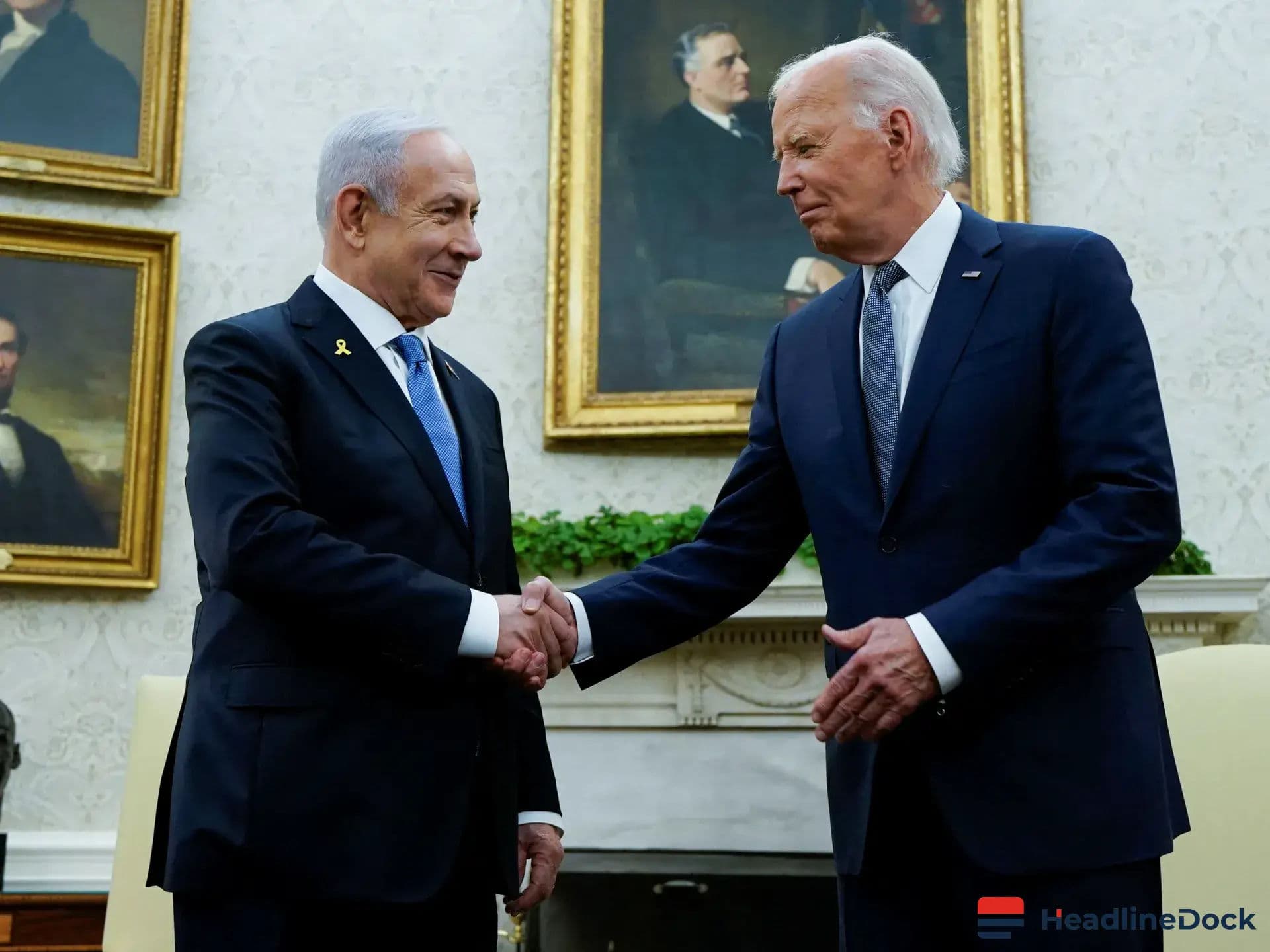
The conflict, initially pushed by Israeli Prime Minister Benjamin Netanyahu, was launched with the primary objectives of removing the Iranian regime and forcing a capitulation similar to previous international interventions. However, these goals were not realized due to Tehran's robust defensive posture. Facing significant domestic and international pressure, the United States leadership pivoted toward a diplomatic resolution to end the hostilities as quickly as possible.
The Evolving US-Iran Peace Deal Landscape
The resulting US-Iran peace deal represents a significant shift in regional dynamics. It appears the accord will leave Iran in a stronger position than it occupied before the outbreak of hostilities, while simultaneously diminishing the influence of the United States in the region. Furthermore, Israel finds itself in a precarious diplomatic position, forcing regional Gulf Arab states to reconsider their security alliances and recognize Iran as a central power in the area.
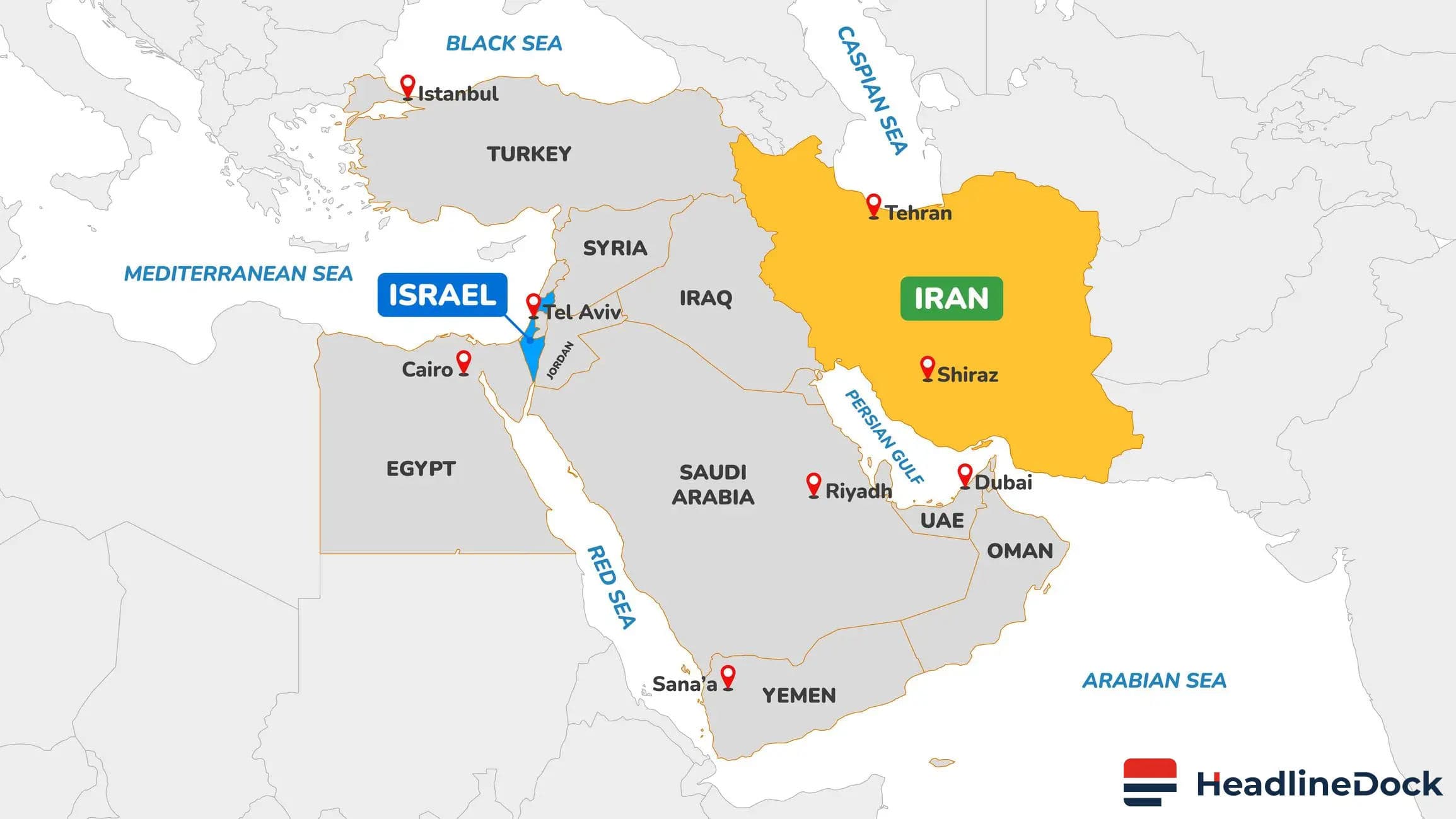
Reports from Iranian and American sources offer varying accounts of the agreement. Both parties appear to have committed to resuming traffic through the Strait of Hormuz and ending the American naval blockade of Iranian ports. Negotiations regarding Iran's nuclear program are expected to persist for another 60 days. Beyond these points, significant differences in interpretation remain regarding reconstruction funds and the release of frozen financial assets.
Tehran has publicly indicated that the agreement would halt combat operations across all fronts, including military activities in Lebanon, and return operational control of the Strait of Hormuz to Iran within 30 days. Conversely, American reports emphasize an immediate reopening of the shipping lane, with limited, temporary sanctions relief granted to allow Iranian oil sales.
Strategic Implications for the Middle East
The initial objectives of Donald Trump and Benjamin Netanyahu—which included dismantling Iran's missile capabilities and severing ties with regional proxies like Hezbollah and Hamas—have largely failed to materialize. The Iranian system demonstrated a capacity to survive intense military pressure, including large-scale aerial bombardment and economic blockades.
While Iran has incurred substantial infrastructure damage and civilian casualties, its strategic control over the Strait of Hormuz provided it with significant leverage during the conflict. As the United States dealt with internal political opposition and shortages in critical defense assets, such as Patriot missile systems, the urgency for a stable conclusion to this war grew, particularly ahead of the upcoming election cycle.