Ukraine-Poland Alliance Strained Over Zelenskyy’s Honoring of Wartime Nationalists
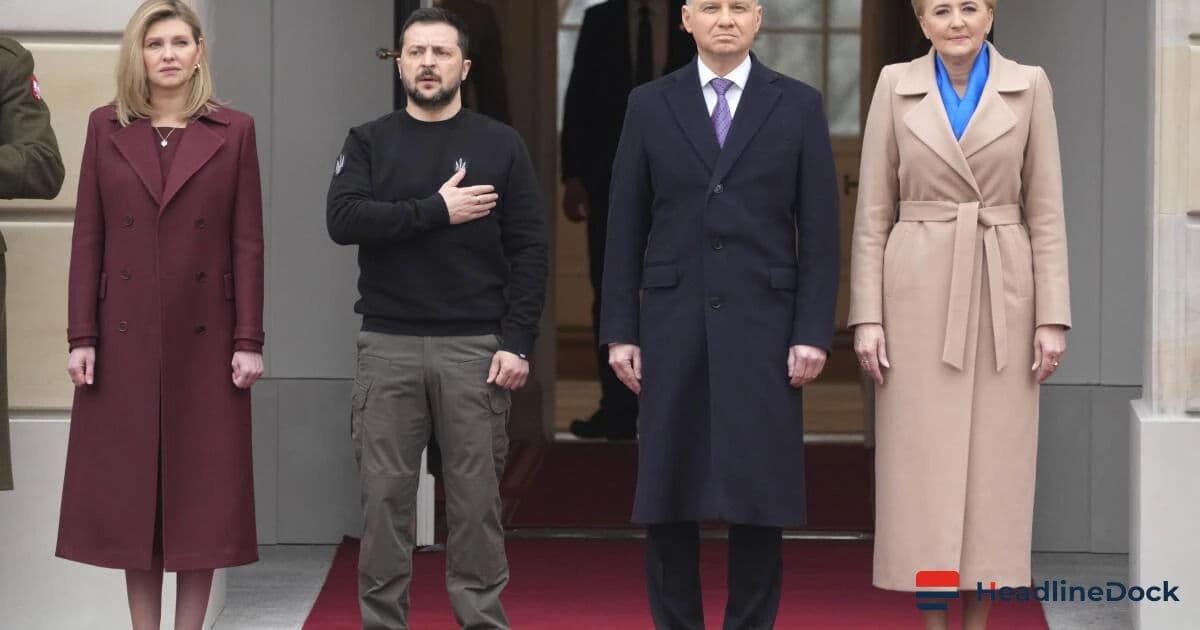
President Zelenskyy’s decision to honor Ukrainian wartime nationalist figures, including UPA-linked members, has severely strained the strategic alliance with Poland. Polish officials have reacted with sharp diplomatic protests, highlighting the deep sensitivity of historical memory in the ongoing geopolitical conflict.
Highlights
- •Ukrainian President Zelenskyy’s recent honors for wartime nationalist figures have strained relations with Poland.
- •The reburial of Andriy Melnyk with state honors and the naming of a military unit after the UPA drew sharp criticism.
- •Polish officials have expressed outrage, with some calling for Zelenskyy to be stripped of high-level state honors.
- •The decision is viewed as an attempt by the Ukrainian government to court far-right domestic factions amidst the ongoing conflict.
The Ukraine-Poland alliance is currently facing significant diplomatic strain, largely driven by President Volodymyr Zelenskyy’s recent decisions to honor individuals associated with wartime nationalist movements. These controversial moves have ignited tensions between Kyiv and Warsaw, two nations that have historically maintained a strong partnership against external threats.
Historical Tensions and Diplomatic Fallout
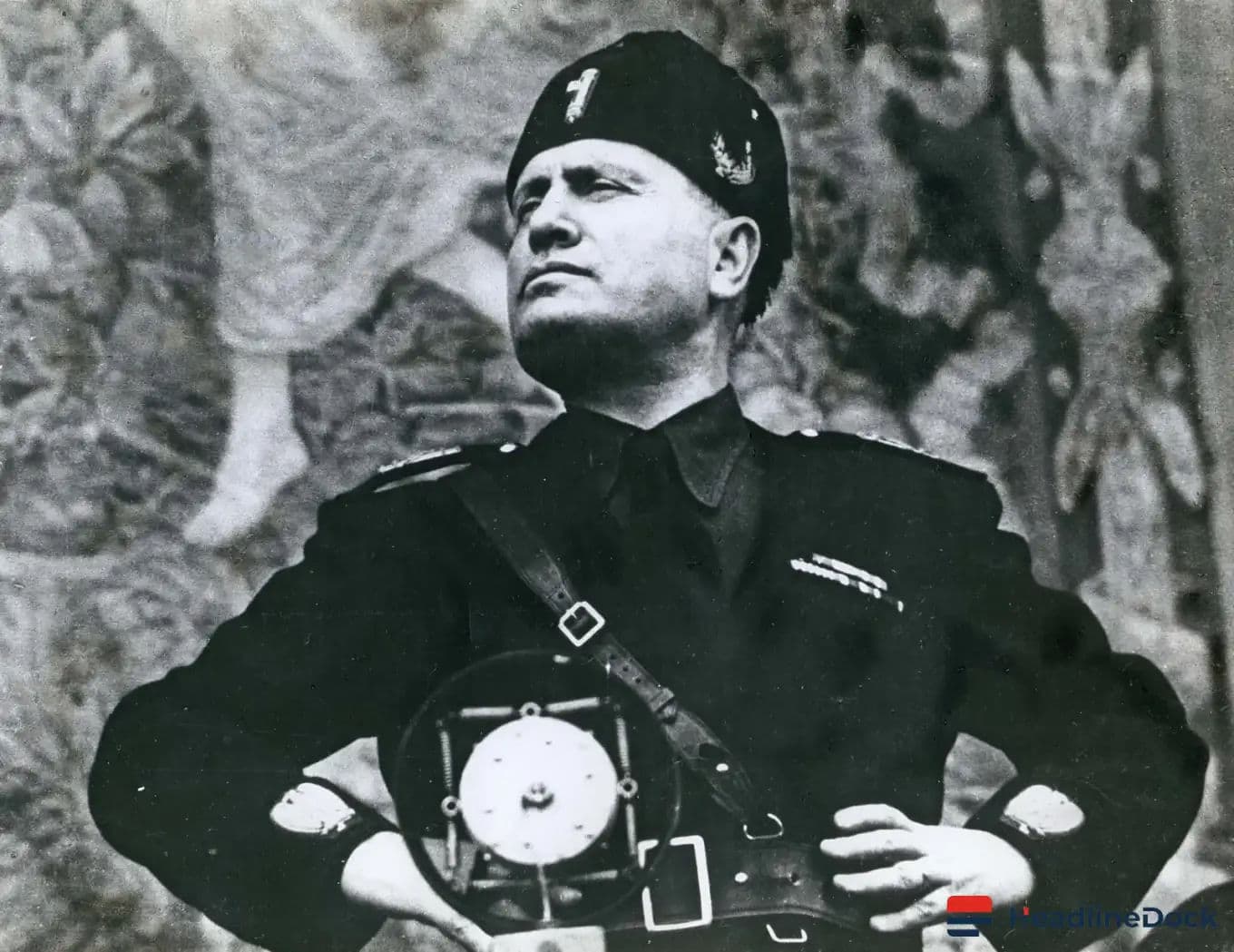
The friction stems from public actions that have drawn sharp criticism from Polish officials. On May 25, 2026, Zelenskyy participated in the state-honored reburial of Andriy Melnyk, a former leader of the Organization of Ukrainian Nationalists (OUN). Melnyk, who died in 1964, was known for his advocacy of collaboration with Nazi Germany during the Second World War. This public endorsement of a figure linked to wartime atrocities against Poles and Jews has been met with severe backlash.
The situation escalated significantly on May 26 when Zelenskyy signed a decree bestowing an honorary title upon a Special Operations Forces unit. The title included the designation “Heroes of the UPA,” referencing the Ukrainian Insurgent Army. Because the UPA was actively involved in the killing of Polish civilians in the Volhynia region during the 1940s, the decision has been perceived in Poland as a deeply offensive revision of history. Leading Polish figures, including President Karol Nawrocki, have expressed outrage, with some suggesting that Zelenskyy should be stripped of the Order of the White Eagle, Poland's highest state honor.
Domestic Politics and Far-Right Influence
The internal political landscape of Ukraine offers some context for these decisions. As Kyiv struggles with the ongoing war against Russian forces, the government remains under pressure to maintain morale and secure support from various internal factions, including the country's far-right elements. Despite Zelenskyy’s own family history—his grandfather notably fought against the Nazis—his administration appears to be strategically navigating the influence of ultra-nationalist units, such as those that succeeded the Azov Battalion.
Observers note that the Ukraine-Poland alliance is being tested by these competing priorities. While Zelenskyy seeks to bolster the ranks of the Ukrainian armed forces by courting nationalist support, the cost of doing so includes alienating key international allies like Poland. This shift in the politics of historical memory signals an increasingly complex path forward for diplomatic relations in the region, as Kyiv attempts to balance the needs of its military efforts with the sensitivity of its neighbors regarding wartime history and accountability.