Macron Navigates Diplomatic Hurdles as Trump Joins Successful G7 Summit
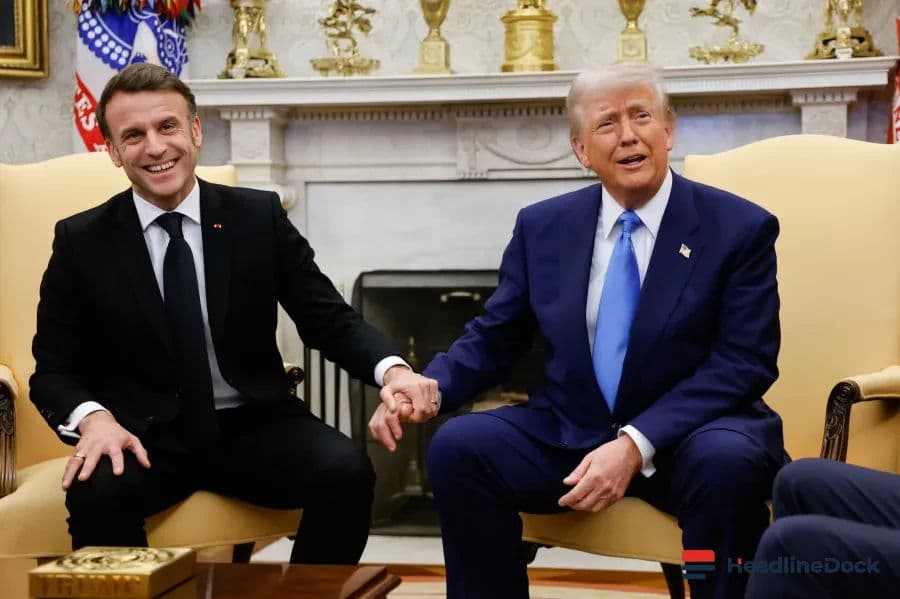
French President Emmanuel Macron successfully managed the 2026 G7 summit, navigating diplomatic tensions with Donald Trump. The event concluded with a ceasefire agreement involving Iran and a unified pledge from G7 nations to support Ukraine, signaling a temporary mending of transatlantic relations.
Highlights
- •President Macron hosted the G7 summit in Évian-les-Bains from June 15-17, 2026.
- •Donald Trump signed a 60-day ceasefire agreement with Iran at a Versailles dinner.
- •G7 leaders reached a unified stance on providing unwavering support to Ukraine.
- •The summit successfully avoided the disruptions seen in the 2025 Alberta meeting.
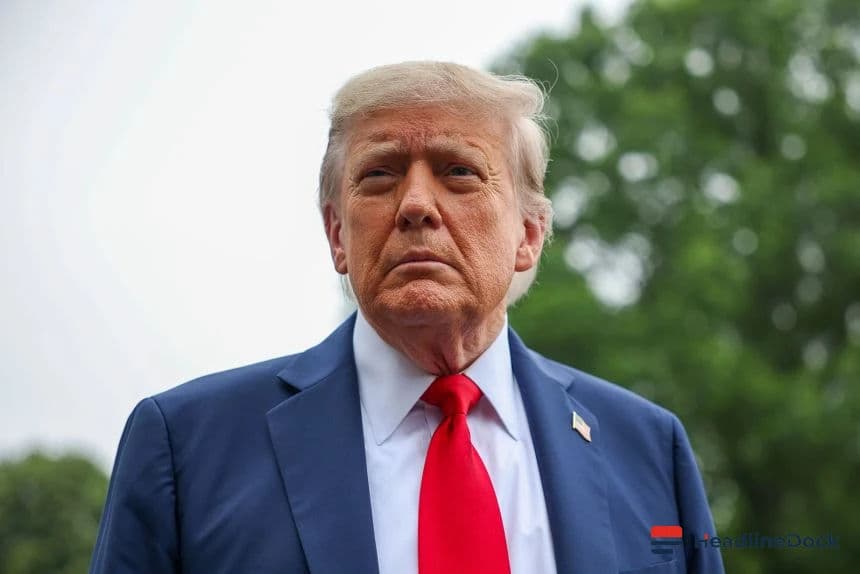
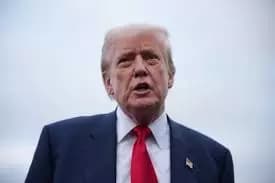
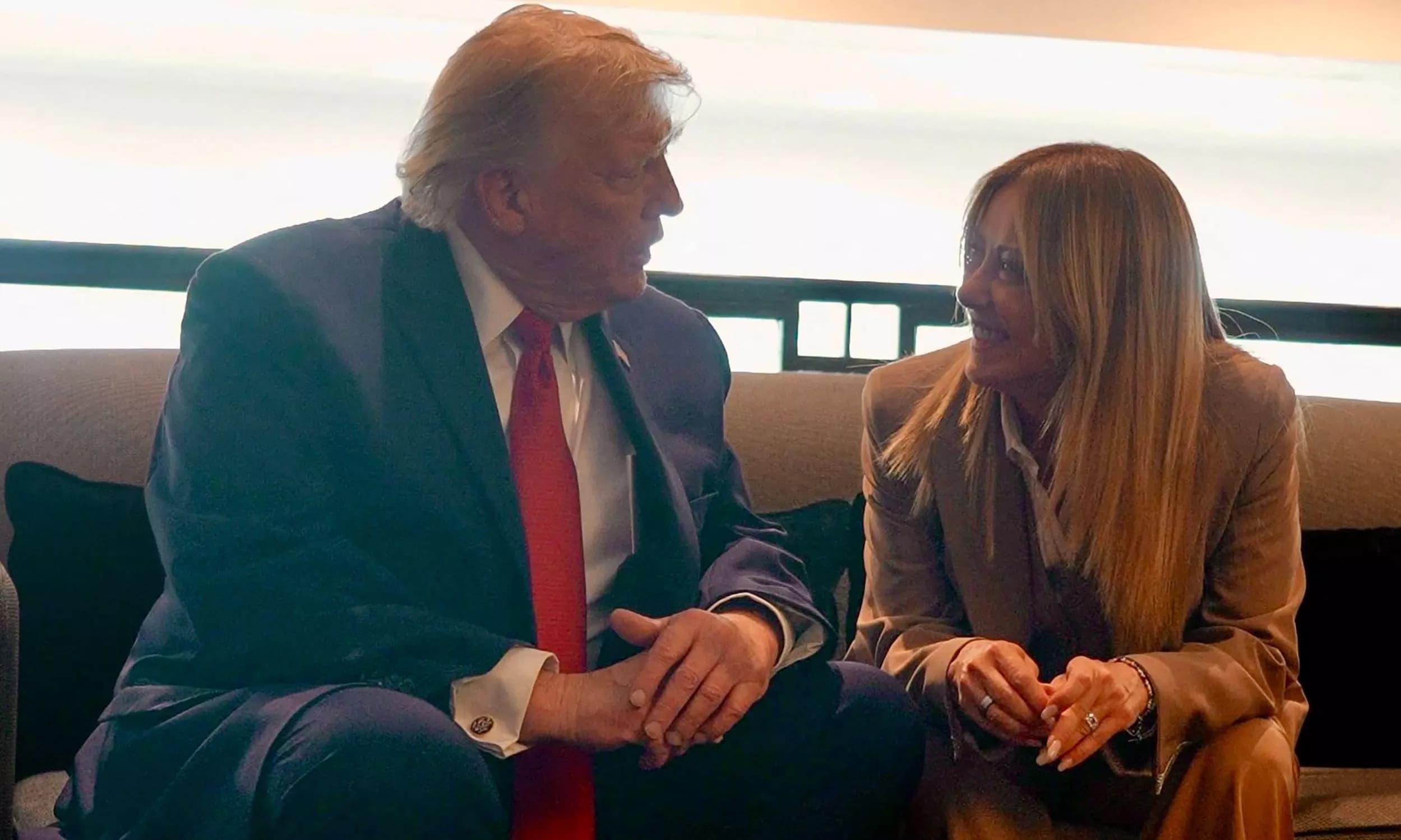
At the recent G7 summit held in the French spa town of Évian-les-Bains, from June 15 to 17, 2026, French President Emmanuel Macron successfully navigated complex diplomatic challenges to ensure the participation and cooperation of US President Donald Trump. A primary objective for the host was preventing the disruptions that characterized previous international meetings, specifically ensuring that Trump remained for the duration of the event while maintaining a unified front among global leaders.
Diplomacy and the G7 Summit
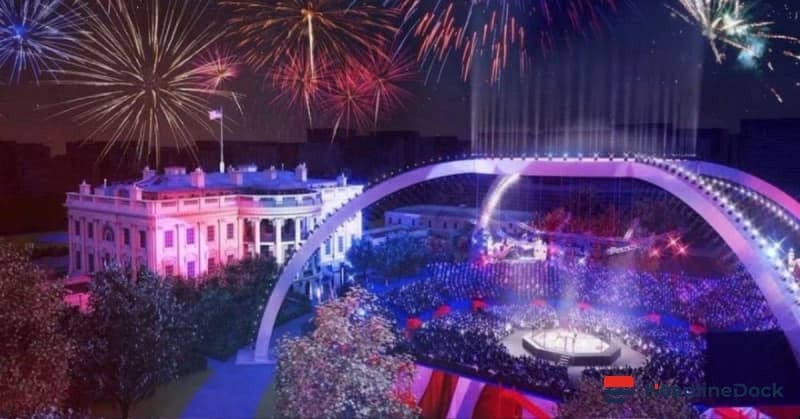
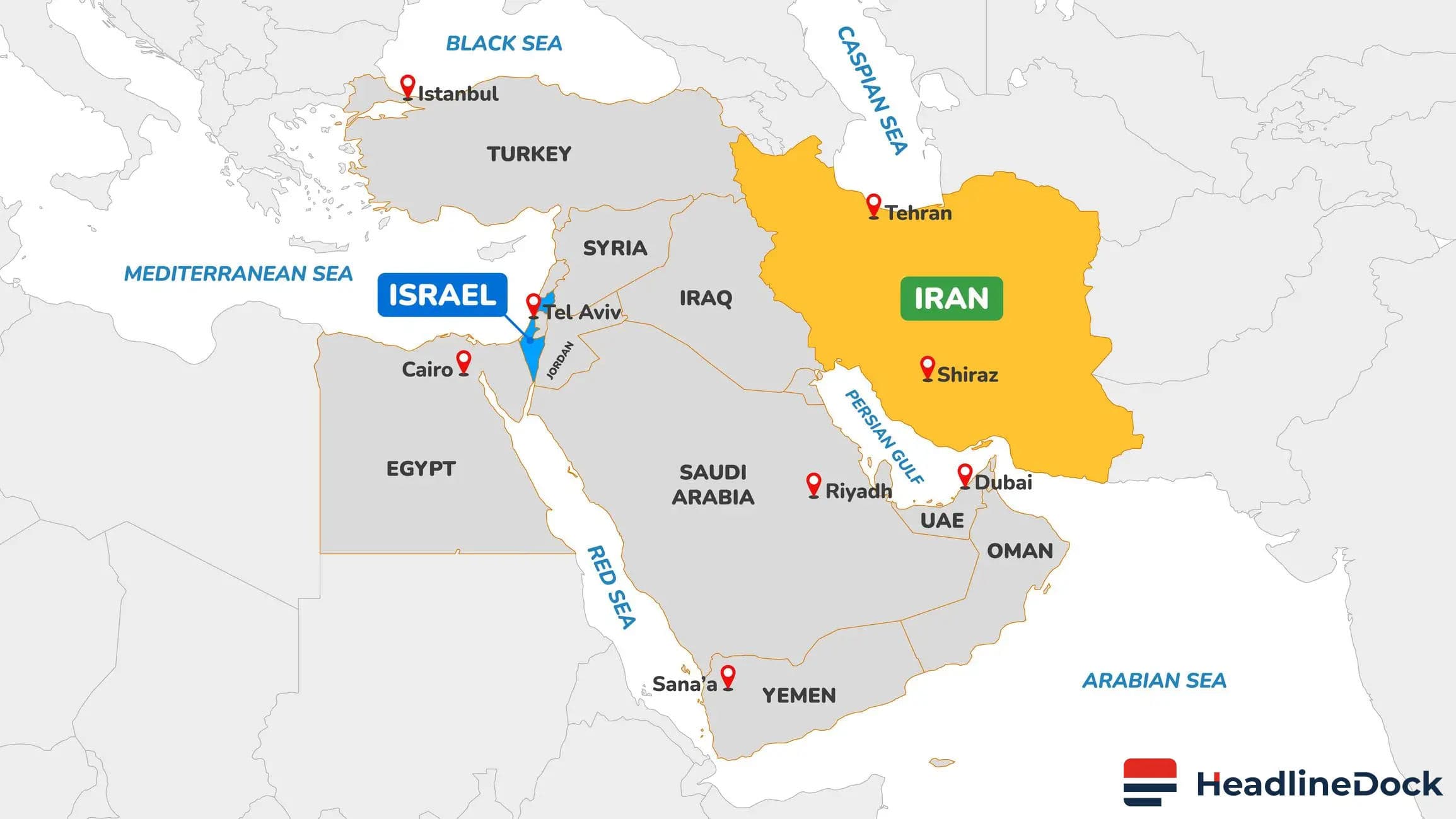
To secure this outcome, Macron utilized strategic diplomacy, including a notable state dinner at the Palace of Versailles on June 17. The event, which commemorated the 250th anniversary of US independence, played a pivotal role in mending frayed relations. Following significant tensions earlier in the year regarding the US and Israel-led conflict with Iran, Macron's efforts helped stabilize the transatlantic relationship. During the summit, Trump officially signed a 60-day ceasefire agreement with Iran, a move that helped alleviate some of the discord that had previously hindered collaborative efforts.
The G7 summit also served as a crucial platform for addressing the ongoing conflict in Ukraine. Despite concerns that the Russian leadership might exploit potential western divisions, the participating nations demonstrated a renewed sense of cohesion. Trump joined his counterparts in signing a joint statement that pledged unwavering support for Ukraine’s territorial integrity. This development followed a constructive dialogue between the US President and the Ukrainian leader, Volodymyr Zelensky, on the sidelines of the meeting. Furthermore, Ukraine is set to receive enhanced air defense capabilities, with the US providing necessary backing for the local production of these systems.
The atmosphere at this year's meeting stood in stark contrast to the 2025 summit in Alberta, which concluded without a unified statement on Ukraine due to disagreements over policy language. By fostering a environment of engagement rather than confrontation, Macron successfully re-synchronized the G7’s approach, even as the US recalibrates its military commitments to NATO, including a reduction in the number of fighter jets allocated for European operations.
Although challenges remain—such as Trump’s unpredictable remarks regarding the relevance of the war to the US and his stance on potential future military actions—the conclusion of the summit in Versailles suggested a temporary easing of geopolitical friction. Leaders left the table after a high-level dinner, signaling a willingness to continue diplomatic dialogue despite persistent differences in policy and national interest.