Pedro Sánchez and the Shifting Stance on Western Sahara Self-Determination
Spanish Prime Minister Pedro Sánchez faces criticism for inconsistent foreign policy, supporting self-determination in Ukraine while backing Morocco's autonomy plan for Western Sahara. This stance, driven by strategic interests, raises questions about Spain's commitment to international legal standards and its historical responsibilities.
Highlights
- •Pedro Sánchez faces scrutiny over conflicting stances on self-determination in Ukraine versus Western Sahara.
- •The death of Polisario Front leader Lahbib Mohamed Abdelaziz highlights the ongoing and increasingly technological nature of the conflict.
- •Spain's pivot to supporting Morocco's autonomy plan has strained its diplomatic credibility and historical responsibilities.
- •Technological asymmetry in the Sahrawi conflict continues to complicate international efforts toward a peaceful resolution.
The political stance of Pedro Sánchez regarding Western Sahara and Ukraine has sparked intense debate over the consistency of Spain's foreign policy. While Sánchez strongly advocates for the right to self-determination in Ukraine, his administration has shifted its position on Western Sahara since March 2022, effectively supporting a plan proposed by Morocco that opposes Sahrawi independence. This strategic realignment highlights the complex balance between upholding international legal principles and managing critical national interests, such as border security and migration.
Geopolitical Tensions and Strategic Interests
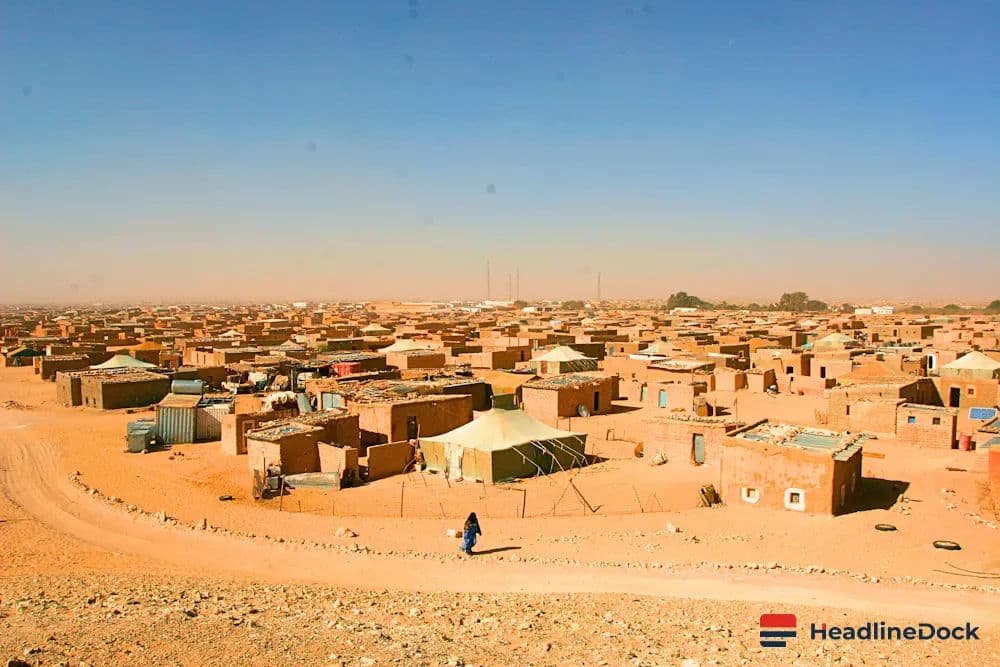
The complexity of this issue was recently underscored by the death of Lahbib Mohamed Abdelaziz, a prominent leader within the Polisario Front. His death, which occurred during a drone strike on June 7, 2026, has been attributed to Morocco by the Polisario Front. This incident unfolded while Staffan de Mistura, the UN envoy for Western Sahara, was conducting a visit to the Tinduf refugee camps in Algeria. The event serves as a stark reminder that despite ongoing diplomatic efforts, the region remains trapped in active conflict.
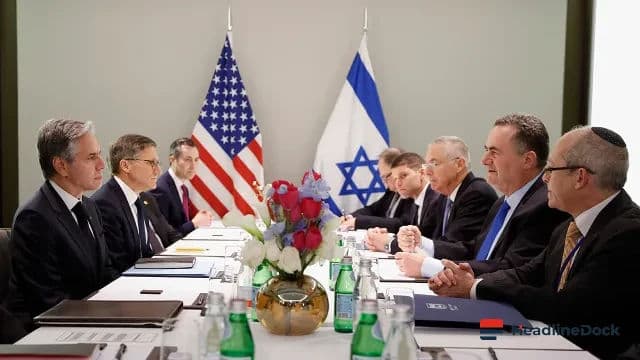
Spain maintains a unique perspective on this matter, having served as the administrative authority of Western Sahara until February 1976. The nation's departure left the territory's future unresolved, leaving Madrid with deep historical, political, and moral ties to the conflict. Critics argue that the current government's pivot toward the Moroccan autonomy plan undermines Spain's credibility, as it applies international law inconsistently across different geopolitical scenarios. By prioritizing stable relations with Rabat—a vital partner in counter-terrorism, police cooperation, and energy—Sánchez has drawn criticism for potentially abandoning the Sahrawi people's right to self-determination.
The Evolution of Conflict
The nature of the conflict itself is shifting toward modern warfare. The use of advanced drone technology—including Bayraktar systems from Turkey, Wing Loong drones from China, and Israeli equipment—has introduced a significant power asymmetry. With the Polisario Front lacking effective defenses against these assets, the situation has become increasingly dire.
As the international community, including the UN Security Council, considers new paths for negotiation, Spain's role as a neutral mediator remains compromised. For the government, the dilemma persists: how to maintain a functional, strategic relationship with Morocco while defending the values of self-determination it champions elsewhere. The case of Western Sahara continues to act as a significant test for Spanish diplomatic integrity and the application of global legal norms.