Narges Mohammadi Left Out of New Iran-US Peace Agreement Negotiations
The recent Iran-US peace agreement neglects the status of thousands of political prisoners, including Nobel laureate Narges Mohammadi. Experts call for integrating human rights, including prisoner releases and fair trials, into the diplomatic framework to ensure a sustainable and just peace.
Highlights
- •The recent Iran-US peace agreement fails to address the plight of political prisoners like Narges Mohammadi.
- •Narges Mohammadi, a Nobel laureate, remains under tight security surveillance following severe health complications.
- •Diplomatic efforts currently prioritize military and nuclear issues over humanitarian concerns and civil rights.
- •Experts argue that a durable peace requires securing prisoner releases and ending systemic human rights abuses.
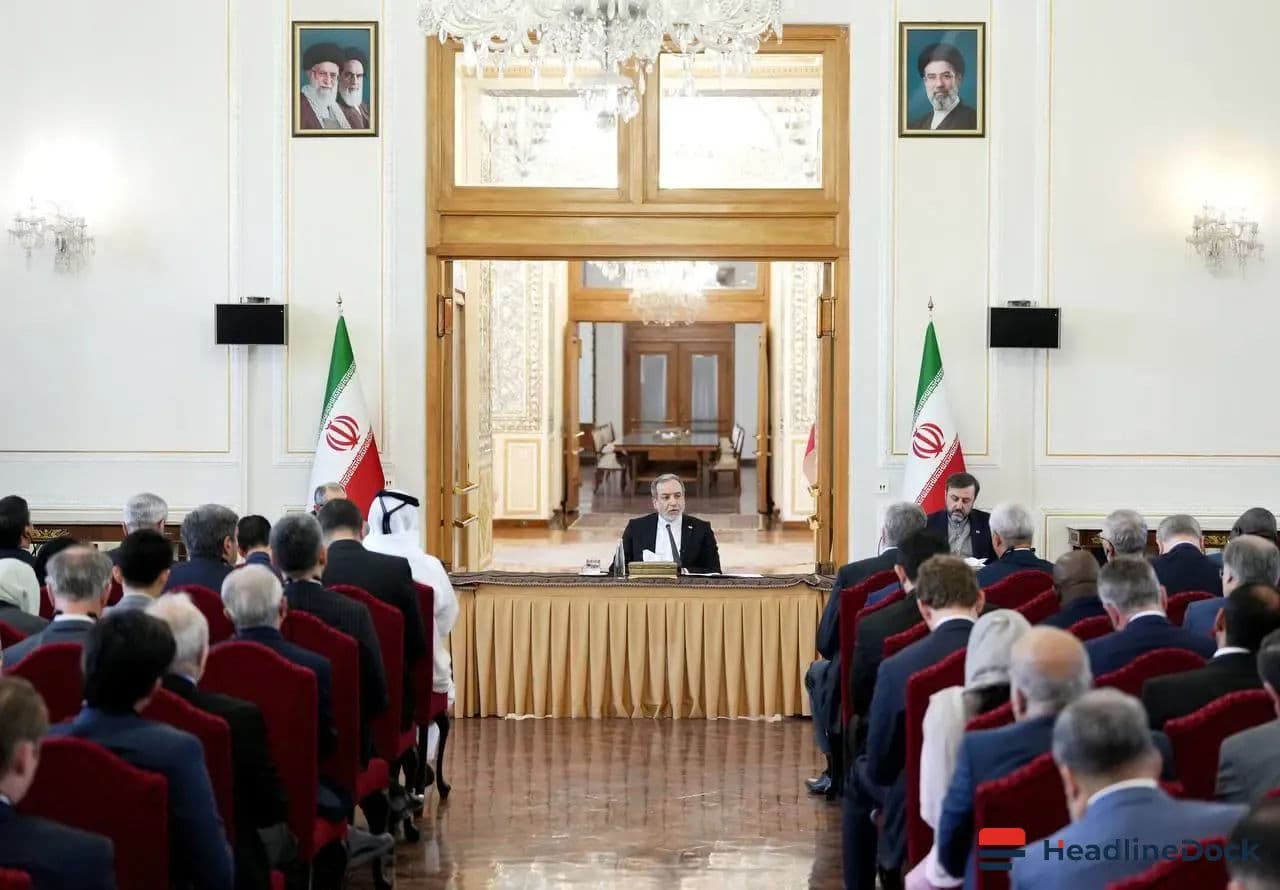
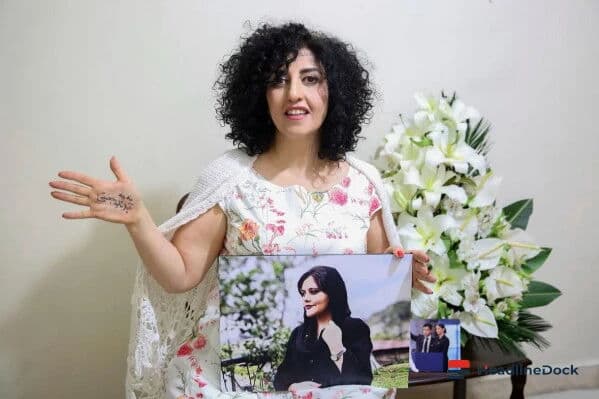
The recent peace accord between Washington and the Iranian regime has concluded nearly four months of intense conflict, yet a critical issue remains unaddressed: the fate of thousands of political prisoners, including the Nobel Peace Prize laureate Narges Mohammadi. Despite her global recognition as a symbol of the struggle for freedom, her situation has been notably absent from the high-level diplomatic discussions.
Following the signing of the agreement on June 18, 2026, concerns have intensified regarding the lack of human rights protections integrated into the deal. Narges Mohammadi, 54, has dedicated over two decades to advocating for human rights in Iran, focusing on issues like the death penalty, torture, and gender-based discrimination. Her health recently reached a critical state, with reports of two heart attacks while in custody, leading to her current status under medical and security surveillance at her Tehran residence.
Addressing Human Rights in Peace Negotiations
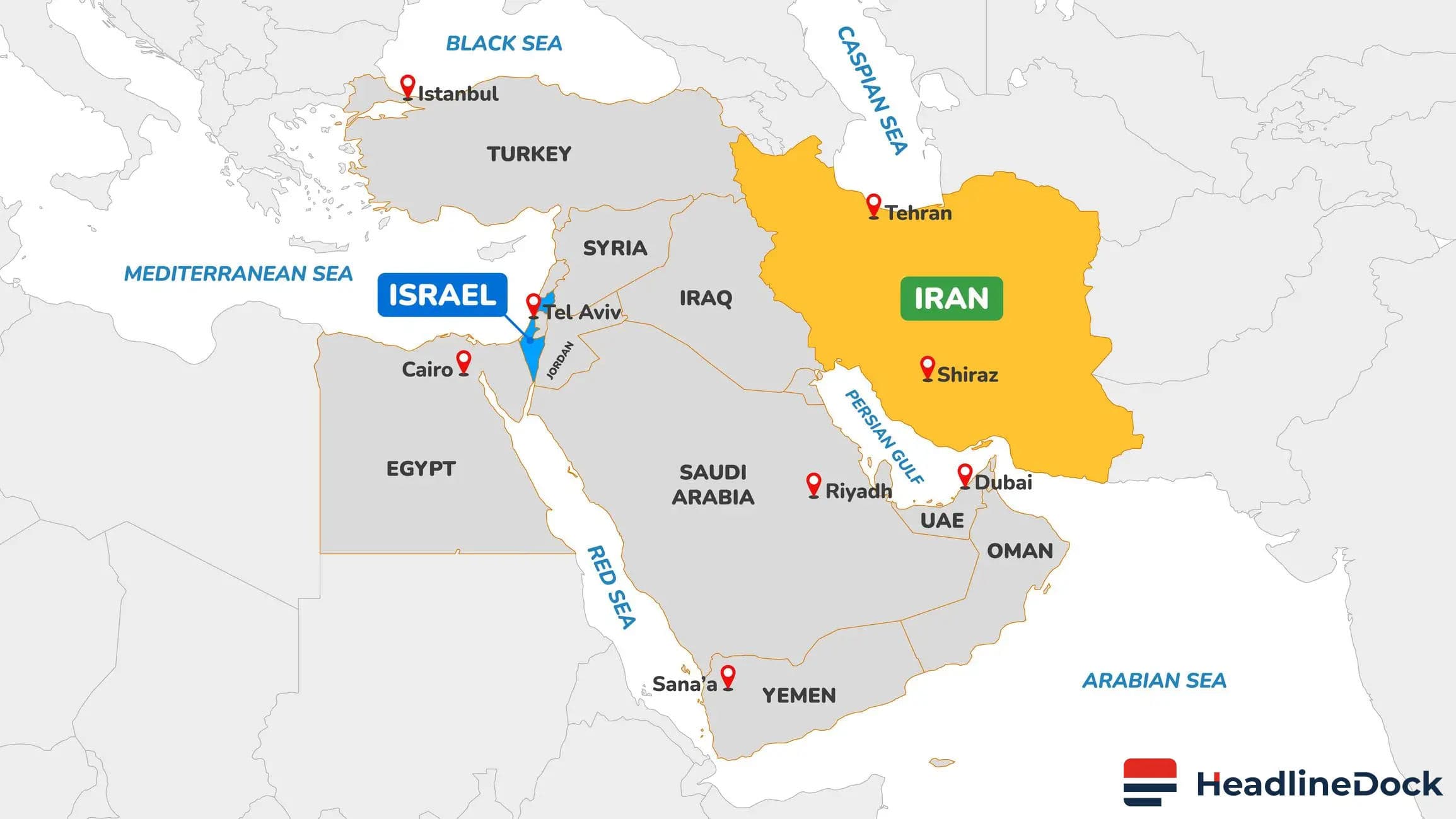
The ongoing diplomatic efforts led by the United States are primarily concentrated on military stability, nuclear non-proliferation, and maritime security in the Strait of Hormuz. However, critics argue that a durable Iran peace agreement must encompass more than just traditional security metrics. There is a pressing need for the international community to prioritize the release of political detainees and improve the country's humanitarian landscape.
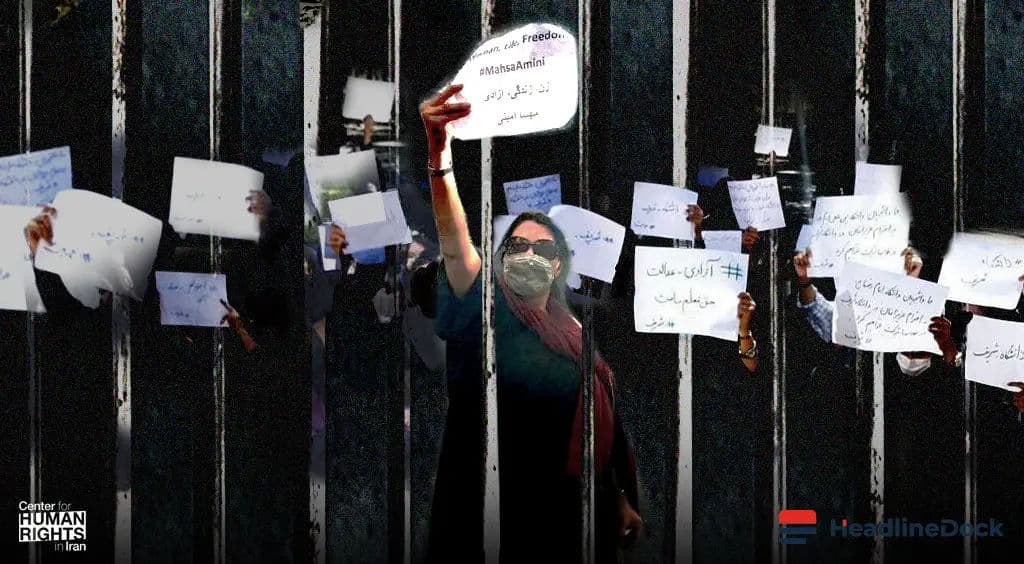
Narges Mohammadi has faced repeated arrests since 1998, accumulating sentences totaling over 40 years. Her work with the Defenders of Human Rights Center and her active voice in the 'Woman, Life, Freedom' movement have made her a pivotal figure in the fight against state repression. Despite her influence, she remains excluded from the formal processes shaping the future of the nation, reflecting a broader trend of women being sidelined in global peace negotiations.
Requirements for a Sustainable Future
To move beyond a fragile ceasefire, observers suggest that international negotiators should advocate for fundamental human rights benchmarks within the framework of any ongoing Iran peace agreement. Achieving stability requires confronting the systemic issues that continue to impact thousands of citizens.
Key areas for progress include:
- Ending widespread arbitrary detentions and ensuring judicial transparency.
- Implementing a moratorium on executions to prevent further loss of life.
- Guaranteeing full legal representation and fair trial rights for all detainees.
- Ensuring active participation for women and youth in the nation's political evolution.
The path forward requires the same diplomatic ingenuity that was applied to the peace deal itself. If international powers truly aim to support the people of Iran, the freedom of figures like Narges Mohammadi must be central to any future stability framework.