Evolution of Israeli Administrative Detention and New Capital Punishment Law
Since October 2023, Israel has significantly intensified its use of administrative detention and introduced a death penalty law for specific terrorism-related crimes. These developments have drawn severe criticism from international human rights organizations, raising concerns about the erosion of legal standards and systemic human rights abuses.
Highlights
- •The use of administrative detention in Israel has significantly intensified, allowing for long-term incarceration without formal trials based on secret evidence.
- •New legislation passed in March 2026 introduces the death penalty for specific terror-related offenses, primarily targeting non-Israeli citizens.
- •Human rights organizations and the UN have reported systematic abuse, poor conditions, and torture within various military-run detention facilities.
- •Legislative changes have extended detention periods for 'unlawful combatants,' raising concerns about the erosion of legal safeguards and democratic principles.
The landscape of Israeli administrative detention and judicial practices has undergone a significant transformation since the escalations of October 7, 2023. Recent policy shifts, most notably the implementation of capital punishment legislation for specific terror-related offenses, have drawn intense scrutiny from international organizations and human rights advocates regarding the country's evolving legal framework.
Evolving Legal Framework and Detention Policies
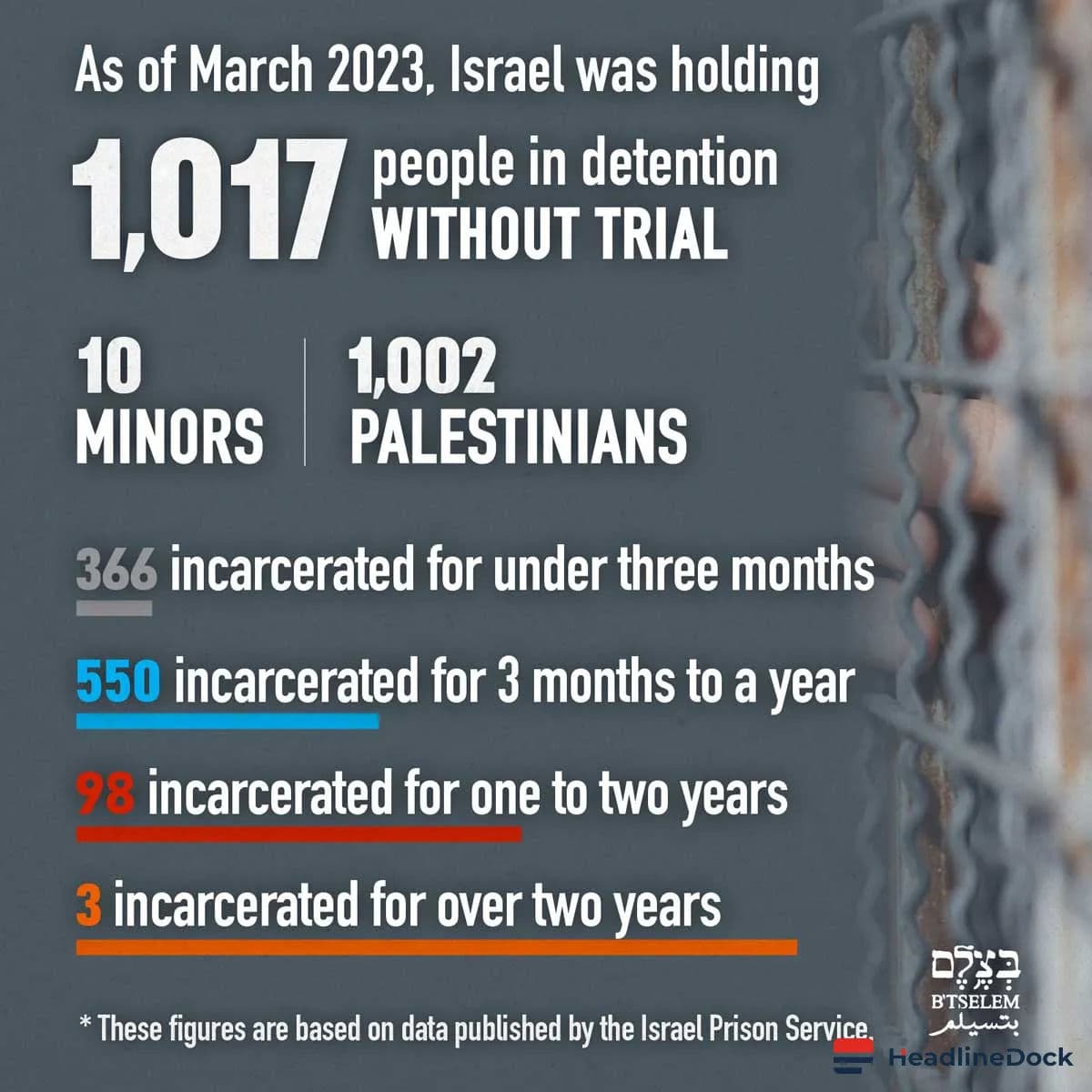
The reliance on administrative detention—a mechanism inherited from colonial-era emergency mandates—has intensified markedly over the past few years. This system allows for the incarceration of individuals without formal charges or trial, based on evidence classified as secret by the Shin Bet. With a substantial portion of the male Palestinian population experiencing some form of detention in their lifetime, critics argue that these practices represent a systemic approach to surveillance and control rather than a temporary emergency measure.
A notable evolution occurred in December 2023 with legislative amendments concerning the status of “unlawful combatants.” These changes extended the period allowed for detention without a court order and delayed the initial appearance before a judge. By mid-2024, reports indicated that thousands of individuals were being held in detention without trial, with international monitors expressing deep concern over the erosion of traditional legal protections and procedural fairness.
Human Rights Concerns and the Capital Punishment Law
In August 2024, human rights groups published reports detailing alleged systemic mistreatment within detention facilities, including the Sde Teiman military site. These accounts include claims of physical abuse, poor sanitary conditions, and restricted access to medical care. Furthermore, in March 2026, the Knesset officially adopted a law introducing the death penalty for individuals convicted of intentional homicides classified as terrorism, provided the acts were committed with the aim of harming the state's existence.
This legislative move has sparked a wider debate about Israeli administrative detention and the broader trajectory of the nation's political and legal regime. Legal scholars and international bodies have pointed out that the criteria for applying this law appear to selectively target Palestinians, as acts committed by Jewish Israeli citizens rarely fall under these specific security-based definitions. Concerns have been raised that this law effectively extends legislative reach into the West Bank, challenging the existing military legal structure and moving closer to formal annexation in practice.
As organizations such as the United Nations continue to document these shifts, the discourse remains centered on whether these actions are merely temporary responses to conflict or symptomatic of a deeper, long-term shift toward autocratic governance. The impact of these policies on regional stability and the international perception of the state’s democratic commitments remains a critical focus of ongoing global debate.