Controlling Maritime Trade Routes: The New Leverage of Global Power
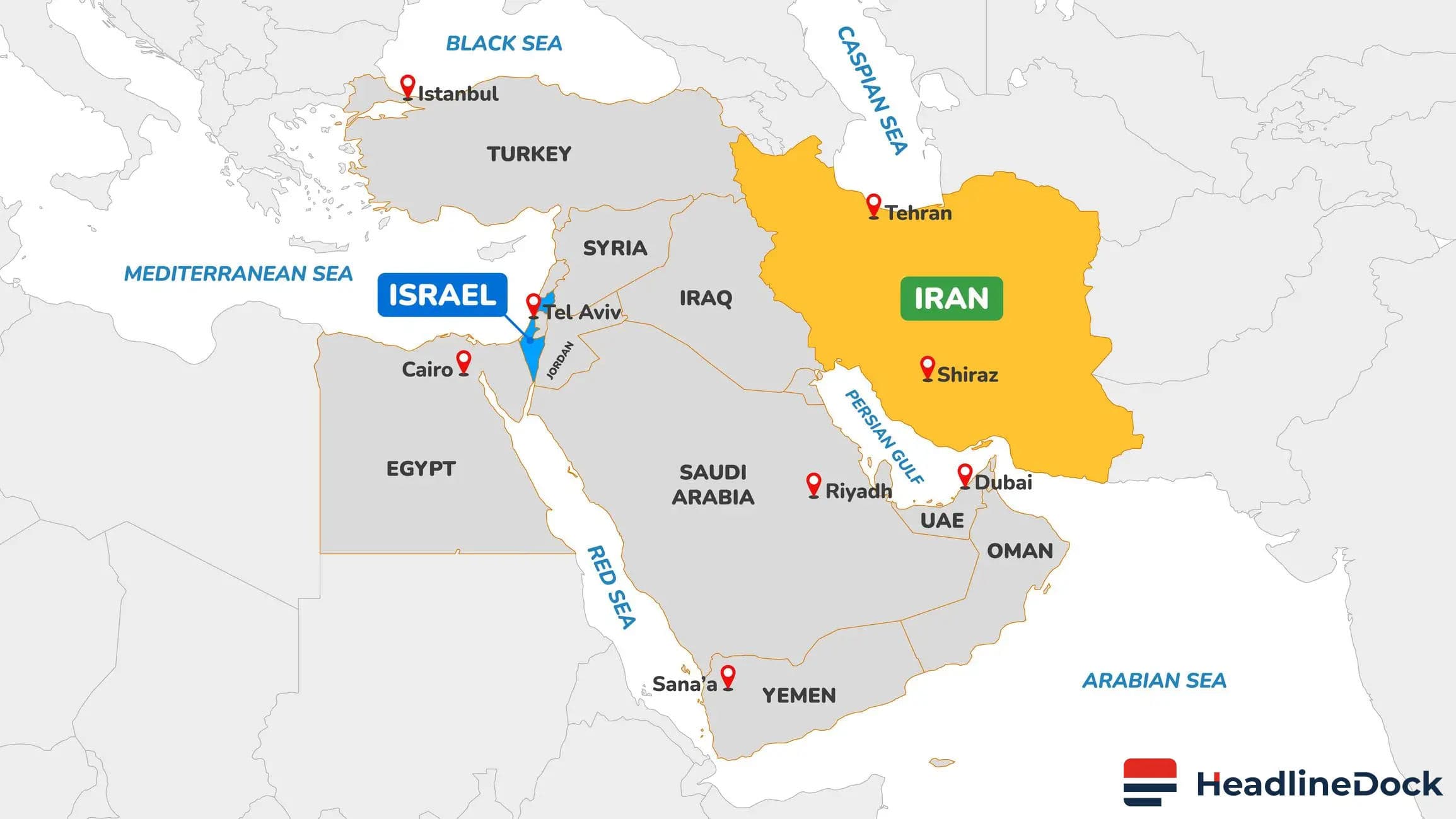
Global power is shifting toward the control of maritime trade routes, with nations focusing on regulating transit flows in strategic zones like the Arctic and Hormuz through legal, economic, and administrative levers rather than just military presence.
Highlights
- •NATO has increased its presence in Finland and Sweden to secure the Arctic against Russian and Chinese interests.
- •Russia exerts control over the Northern Sea Route through icebreaker dominance and legal regulation rather than direct force.
- •Modern geopolitical power increasingly relies on 'rheopolitics'—the ability to control the flow of goods and energy through strategic chokepoints.
- •Commercial operators like CK Hutchison play a vital, often invisible, role in managing international port terminals and global trade flows.
The global struggle for maritime trade routes is intensifying as world powers shift their focus toward controlling critical passages. From the icy expanse of the Arctic to the strategic waters of the Strait of Hormuz, the ability to regulate the flow of energy and goods has become a primary instrument of modern geopolitical influence.
In early June 2026, NATO forces initiated deployments in Finland and Sweden to bolster the alliance's northeastern flank. This move is designed to secure the Arctic against mounting military activity from Russia and increasing interest from China. While these terrestrial deployments capture significant attention, they represent only one facet of a much broader strategy centered on the control of essential global transit corridors.
The Evolution of Maritime Power and Control
Simultaneously, discussions regarding a tunnel under the Bering Strait, connecting Russia and Alaska, have re-emerged. While this project frequently surfaces in political discourse, its strategic value is often secondary to the narrative it projects. The real power in the Arctic lies in the regulation of the Northern Sea Route. By leveraging international maritime law and utilizing its fleet of nuclear-powered icebreakers, Russia effectively manages navigation in its economic zone, creating a mare clausum, or closed sea, without firing a single shot.
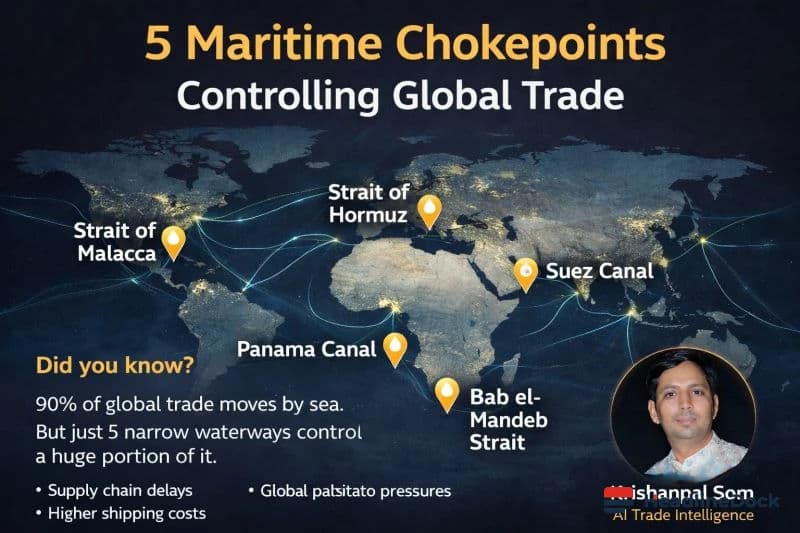
This dynamic shift illustrates the rise of rheopolitics—the strategic focus on managing, modulating, or obstructing the flow of goods rather than merely occupying territory. Whether through military threats near Bab el-Mandeb, the imposition of fees in Hormuz, or the influence of insurance premiums that render specific zones economically unviable, the control of maritime trade routes is increasingly achieved through administrative and economic levers.
The impact of this approach is visible globally. For instance, the hong-kong-based conglomerate CK Hutchison has been identified as a key operator in ports ranging from the Strait of Hormuz to the Panama Canal. Recent challenges to their concessions at the Panama Canal, involving firms like BlackRock, highlight the complex interplay between ownership, national security, and global commerce. These events underscore a crucial realization: the physical territory of a strait is often less critical than the unseen influence over the vessels and cargo passing through it.
Ultimately, the nature of power is evolving. The most effective levers of control today are frequently operated by insurers, port terminal managers, and asset administrators rather than traditional naval forces. To successfully navigate this era, nations must move beyond traditional cartography and learn to map the complex web of contracts, concessions, and financial dependencies that dictate the movement of the global economy.