Iran Ceasefire Deal Confirms the Limitations of Military Power in the Region
The Iran ceasefire deal marks a definitive end to recent hostilities, proving that military force could not achieve regime change or destroy Iran's infrastructure. The agreement forces a move toward diplomatic engagement, highlighting the limits of power and the resilience of state sovereignty.
Highlights
- •The 14-point MoU signed on June 17, 2026, formally ended the war between the US and Iran.
- •Initial goals of regime change and the destruction of nuclear capabilities were not achieved.
- •The agreement involves unfreezing US$100 billion in assets and lifting the naval blockade on oil exports.
- •The deal marks a significant geopolitical shift, emphasizing diplomatic accommodation over military force.
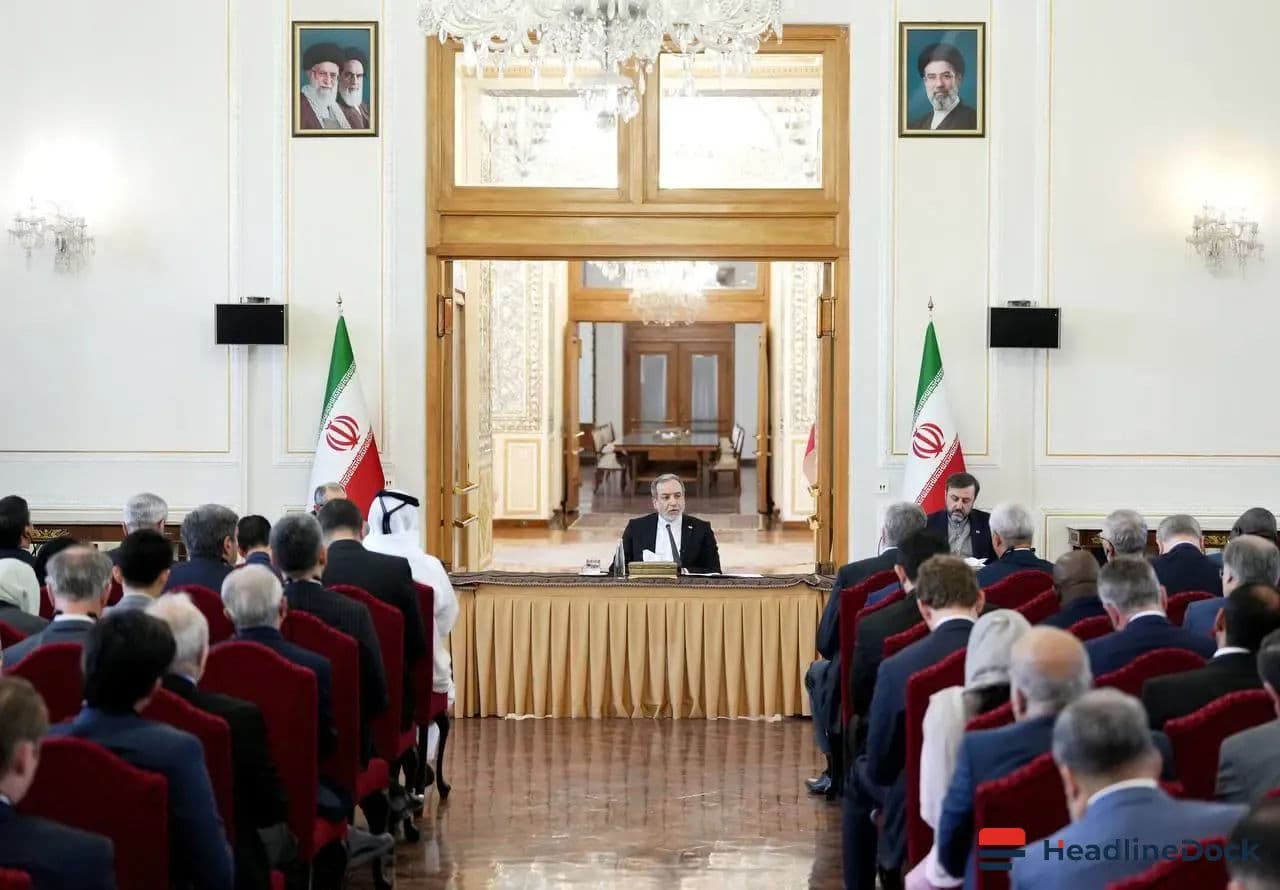
The recent Iran ceasefire deal signed on June 17, 2026, has brought a definitive end to the intense military conflict between the United States and the Islamic Republic of Iran. This 14-point memorandum of understanding (MoU) highlights the limitations of utilizing military force as a primary geopolitical tool, signaling a significant shift in regional dynamics and the effectiveness of international pressure.
When the campaign began on February 28, 2026, the primary objectives voiced by Donald Trump and Benjamin Netanyahu were ambitious. They aimed for the total dismantling of Iran’s nuclear and ballistic missile infrastructure, the cessation of support for regional groups such as Hezbollah, Hamas, and the Houthis, and ultimately, a complete change of the Iranian regime. However, the resulting agreement stands in stark contrast to those initial proclamations of total military victory.
Shifting Dynamics in the Persian Gulf
The Iran ceasefire deal demonstrates that Washington was ultimately compelled to engage with Tehran as a sovereign equal, moving away from the initial hopes of total capitulation. The memorandum explicitly binds the United States to respect Iran's territorial integrity and prohibits any interference in internal affairs. This pivot serves as a practical acknowledgment of the Iranian government's staying power, reminiscent of past diplomatic efforts like the 1981 Algiers Accords.
The agreement further mandates the immediate cessation of the US naval blockade and authorizes Treasury Department waivers to resume crude oil exports. Additionally, the deal includes provisions to unfreeze approximately US$100 billion in restricted Iranian assets, alongside the creation of a $300 billion international fund dedicated to regional economic reconstruction. These terms underscore the reality that aggressive economic blockades face severe limitations when confronted with persistent, asymmetrical regional deterrence.
The Limits of Military Strategy
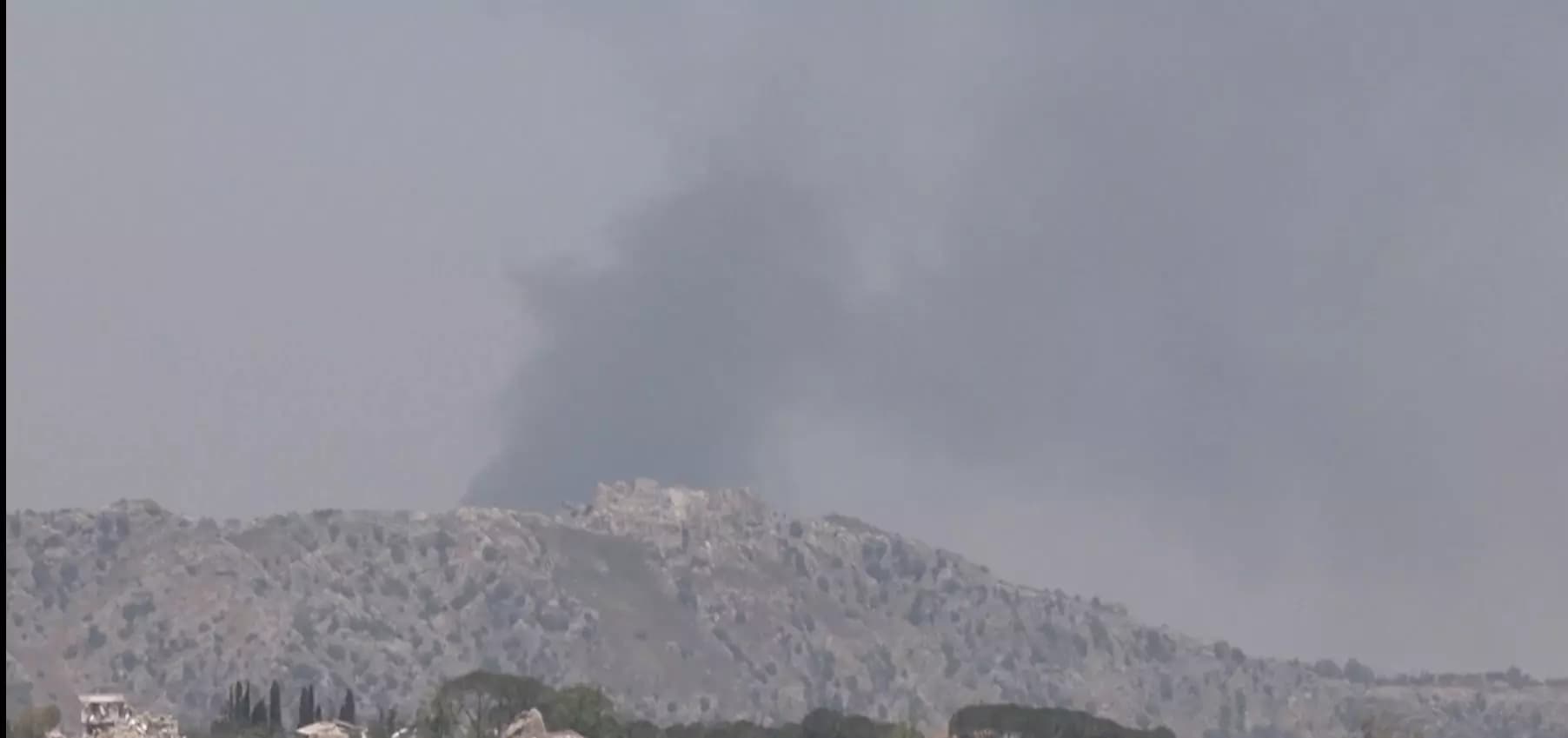
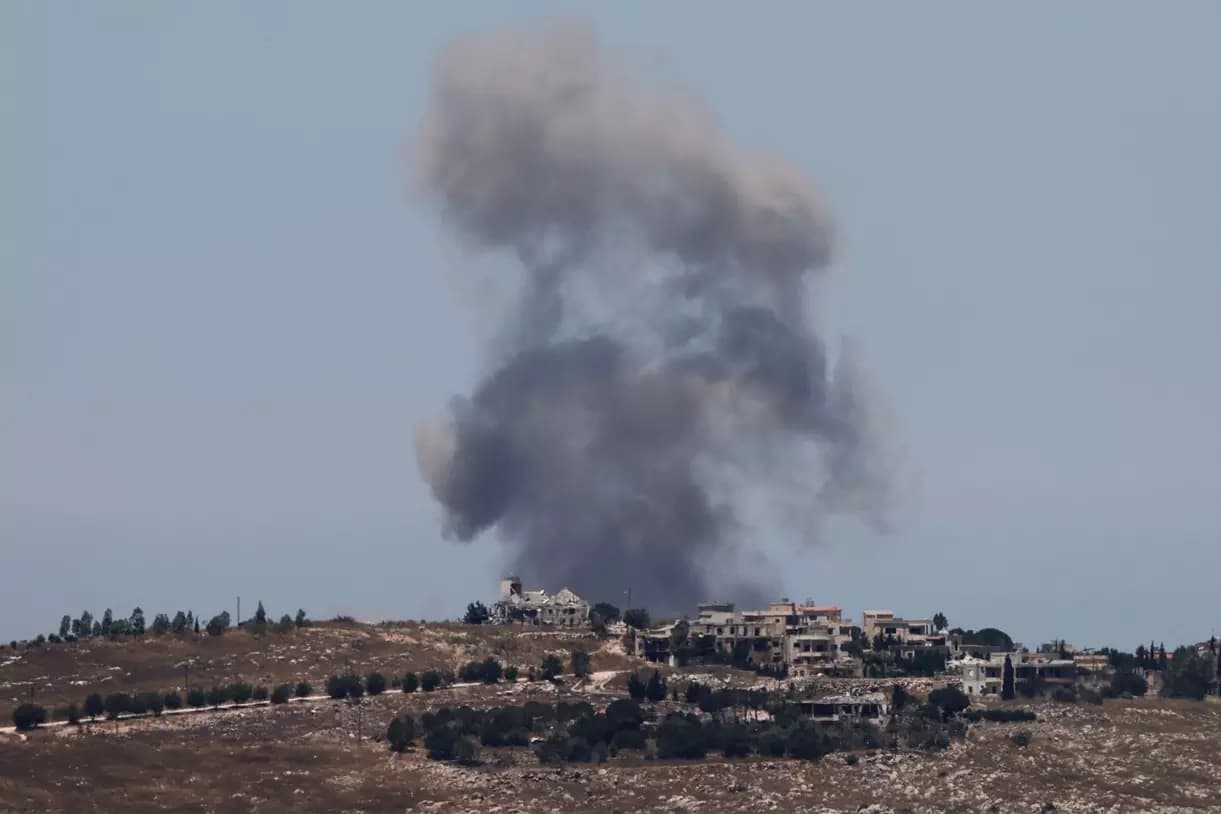
A critical observation of the Iran ceasefire deal is the notable absence of specific demands regarding the dismantling of Iran's ballistic missile capabilities or the severing of ties with regional partners. By covering all fronts, including a required halt to hostilities in Lebanon, the ceasefire complicates the previous security goals set by the Israeli leadership. The conflict has essentially highlighted the boundaries of conventional military power, as even after extensive strikes on over 900 targets, Iran maintained its strategic depth and state resilience.
This event serves as a historical marker in the transition toward a post-western geopolitical order. The failure to achieve regime change through force has forced a return to diplomatic accommodation. The events on the ground have proven that state structures are often hardened, rather than broken, by external aggression, ultimately confirming the long-standing arguments made by analysts who questioned the viability of a purely military solution for the region.