Donald Trump Signs Iran Ceasefire Deal Following Landmark Diplomatic Summit
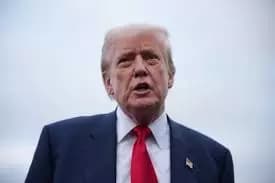
Donald Trump has finalized a 60-day ceasefire agreement between the US, Israel, and Iran following the G7 summit. While aimed at stabilizing the Strait of Hormuz, the deal has sparked significant political backlash from both US and Israeli leadership.
Highlights
- •US President Donald Trump signs a 60-day ceasefire agreement with Iran and Israel.
- •The deal aims to reopen the strategically important Strait of Hormuz to global trade.
- •The agreement has faced intense backlash from American Republicans and Israeli officials.
- •Tensions remain high due to conflicting objectives regarding the conflict in southern Lebanon.
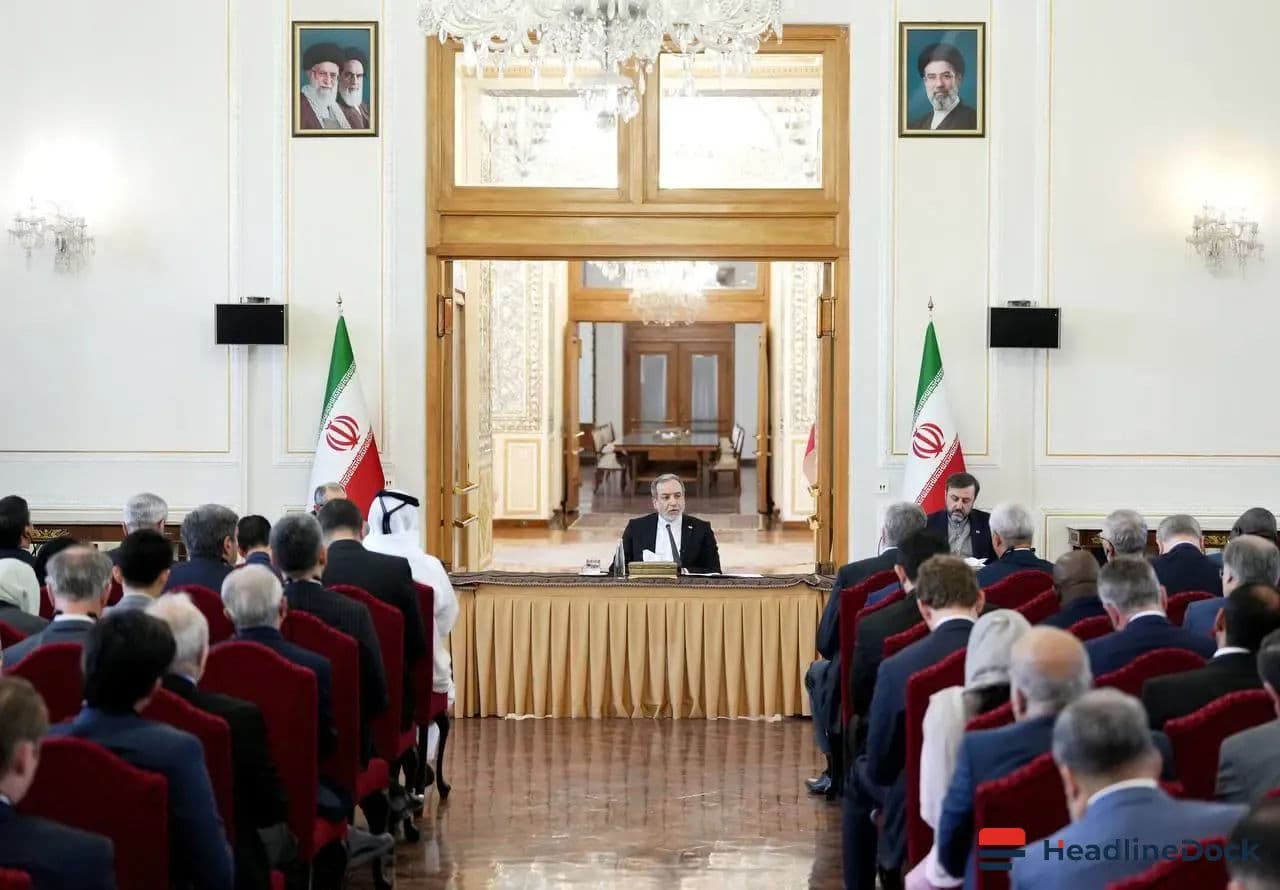
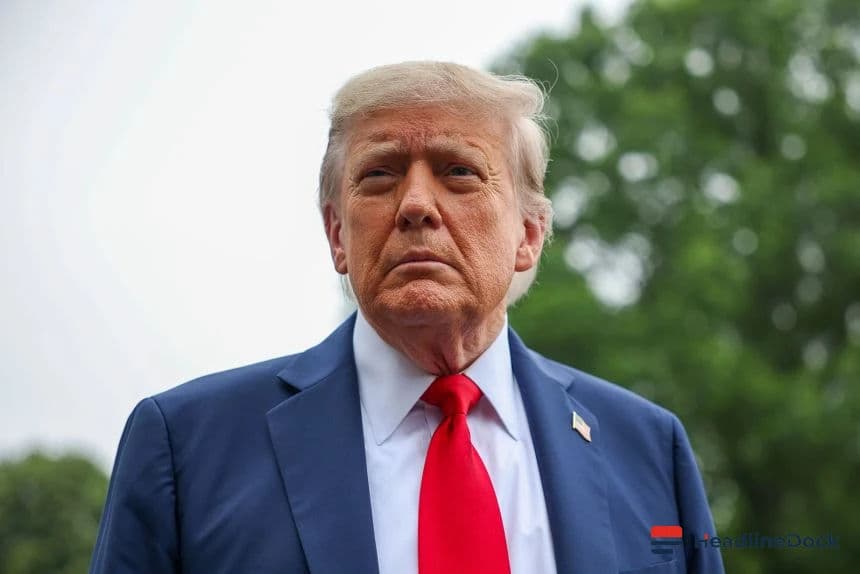
Following a high-profile diplomatic summit, Donald Trump has officially signed an agreement establishing a 60-day ceasefire between the United States, Israel, and Iran. The memorandum was finalized following a state banquet held at the Palace of Versailles and was subsequently signed in Tehran by Iranian President Masoud Pezeshkian. This Iran ceasefire deal marks a pivotal development in the ongoing conflict, which began with attacks on February 28, 2026.
The agreement was secured amidst intense negotiations, with the primary objective of reopening the Strait of Hormuz. The closure of this vital maritime route had caused significant global economic disruption over the past three and a half months. During the signing, Donald Trump acknowledged the difficulty of the process, which concluded at the sidelines of the 2026 G7 summit held in Évian-les-Bains, France.
Strategic Implications and Diplomatic Reactions
The Iran ceasefire deal has drawn sharp criticism from various sectors. While French President Emmanuel Macron lauded the development as a significant shift in American foreign policy, many influential Republican figures in the United States have expressed strong disapproval. Senator Bill Cassidy publicly condemned the agreement, labeling the conflict one of the most severe foreign policy blunders in recent decades.
Analysts suggest that Iran may have strengthened its strategic position through this conflict, effectively demonstrating its capacity for asymmetrical warfare and its influence over global trade routes. Meanwhile, the reaction in Israel has been overwhelmingly negative. Prime Minister Benjamin Netanyahu has faced internal pressure, with local commentators describing the deal as a major capitulation. Reports indicate that the Israeli leadership was not privy to the final terms before the agreement was authorized.
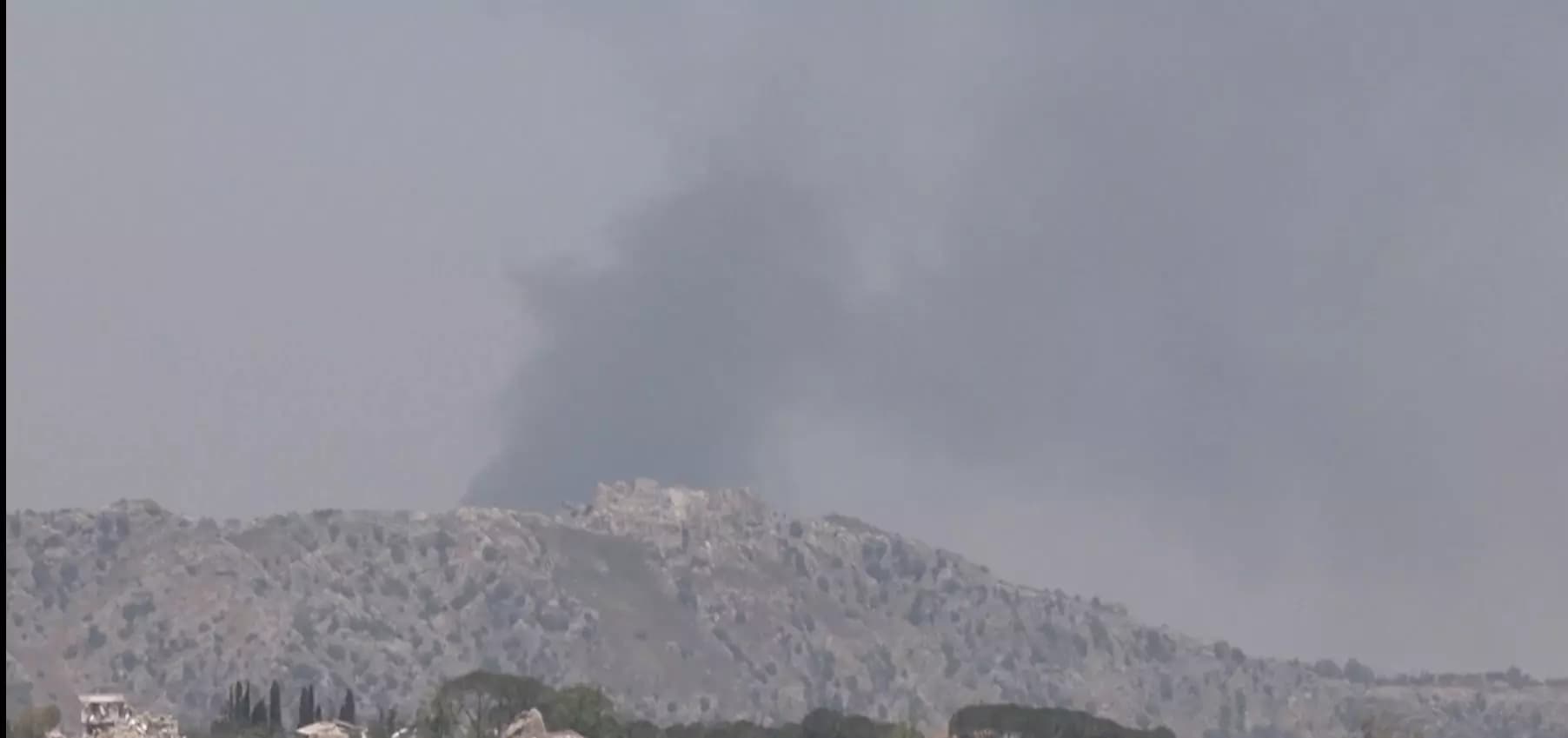
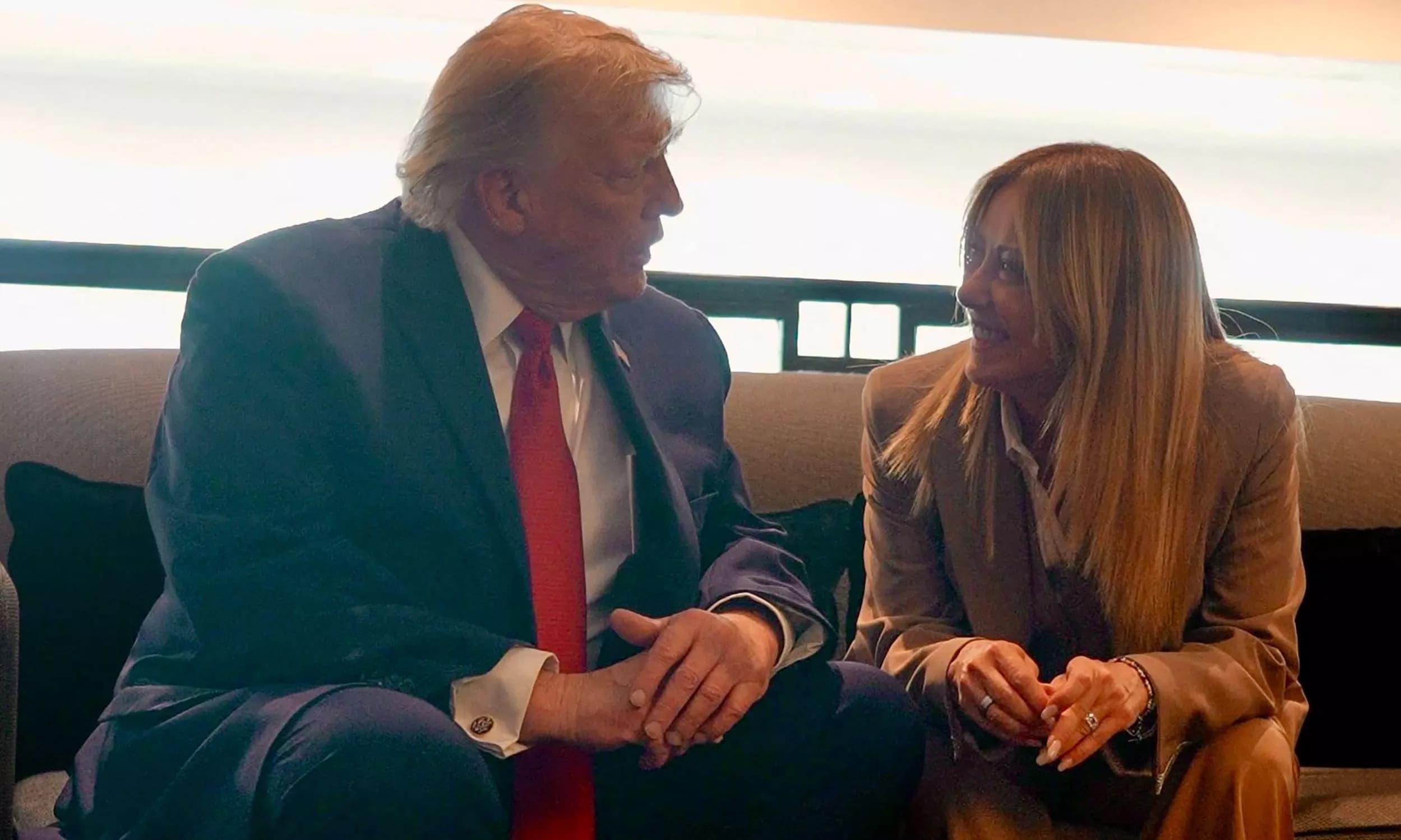
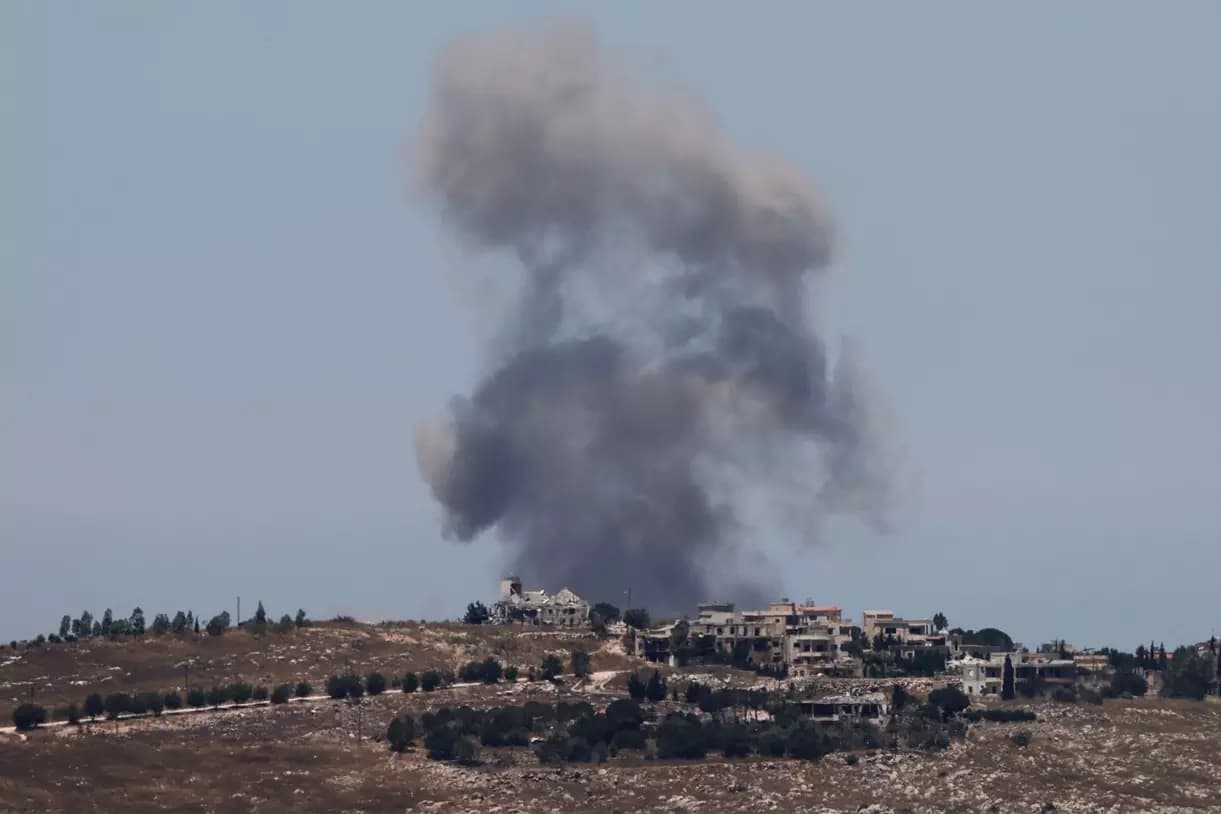
The ceasefire also includes specific provisions for an end to hostilities in southern Lebanon, tasking the United States with guaranteeing the region's territorial integrity. This requirement for an Israeli withdrawal has created immediate friction between Donald Trump and the Israeli government. The diplomatic situation remains volatile as both nations navigate differing war objectives and the potential long-term consequences of this agreement. Observers note that the interpersonal dynamics between world leaders, historically marked by sharp rhetoric and frustration, continue to play a critical role in these international negotiations.