Telugu Desam Utilizes Cutting-edge Technology for Mahanadu-2026
Telugu Desam's Hybrid Mahanadu-2026 showcases advanced technology-enabled political engagement, enhancing participation from rural and semi-urban areas through digital cluster centers. The innovative model improved outreach among marginalized groups while reducing logistical costs.

Highlights
- •Advanced digital infrastructure for political mobilization
- •Mahanadu-2026 engages 17 lakh cadres
- •Decentralized format enhances participation from rural areas
- •GPS-enabled invitation system reduces logistics
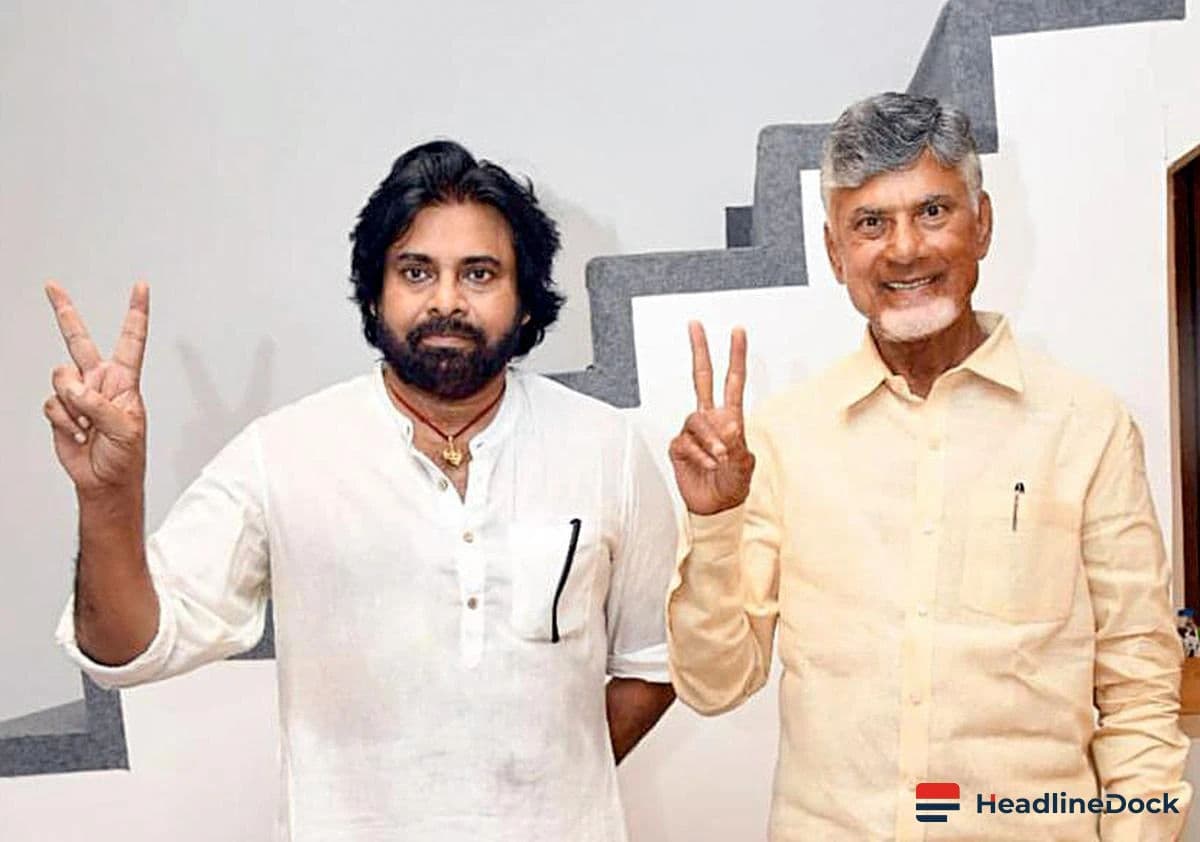
Vijayawada: The Telugu Desam's Hybrid Mahanadu-2026 has revolutionized political outreach through advanced digital infrastructure, demonstrating a new age of technology-enabled mobilization in Andhra Pradesh. This innovative model was conceptualized under the guidance of Nara Lokesh and involved over 17 lakh cadres participating via an array of digital cluster centers.
The initiative was meticulously planned to integrate physical attendance with real-time online participation, setting up nearly 1,875 digital centers across constituencies. These clusters were equipped with LED screens, internet connectivity, live streaming systems, and robust audio infrastructure, allowing rural and semi-urban cadres to engage in discussions and take part in resolutions from local hubs.
Technological Advancement and Participation
The decentralization of participation enhanced engagement among marginalized groups such as women, senior citizens, and grassroots workers who might otherwise have been less accessible to traditional events. The GPS-enabled digital invitation system integrated through the MyTDP platform further streamlined the process, mapping cadres to nearby centers based on their location data.
A state-command-and-control center monitored the event in real-time, using live feeds from cluster centers and district-wise engagement metrics to track overall performance and manage crowds effectively. Technical teams were deployed to troubleshoot connectivity issues during disruptions, ensuring smooth operations throughout the event.
The hybrid model proved not only effective but also more sustainable compared to large physical gatherings by reducing travel, congestion, and logistical costs, making it a practical alternative for political mobilization in the digital age.