Escalating Beirut Strikes Put Crucial Iran-US Peace Deal at Risk
Escalating military operations by Israel in Lebanon are placing a critical Iran-US peace deal at risk. The ongoing conflict continues to undermine diplomatic efforts, straining US-Israeli relations and threatening regional stability while impacting global economic interests.

Highlights
- •Ongoing military strikes in Lebanon are jeopardizing the progress of an Iran-US peace deal.
- •The US government's attempts to secure regional stability are being hindered by persistent Israeli military aggression.
- •Prime Minister Benjamin Netanyahu is facing intense domestic and international scrutiny regarding his military-focused strategy.
- •The potential for economic relief through de-escalation is currently stalled, affecting global shipping and energy markets.
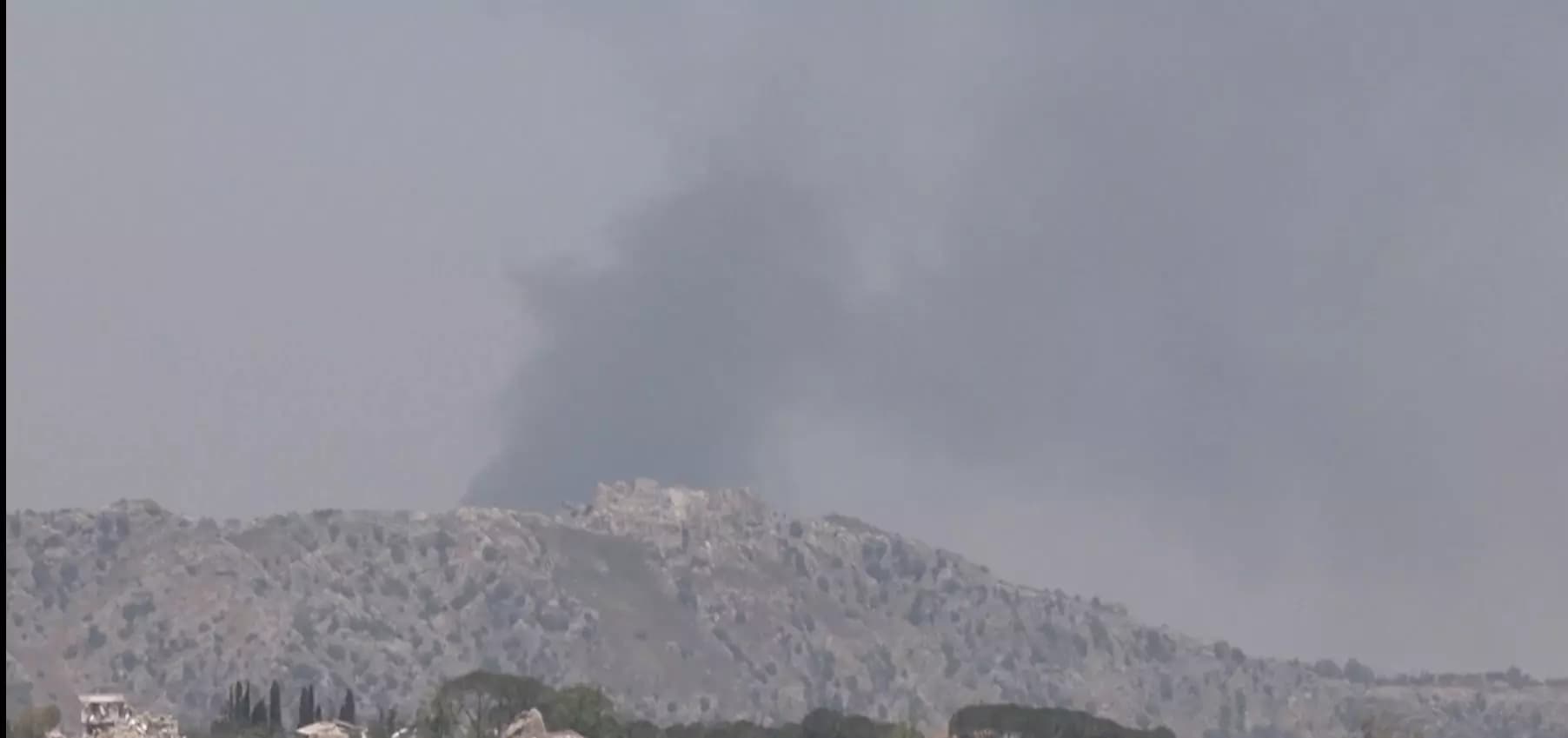
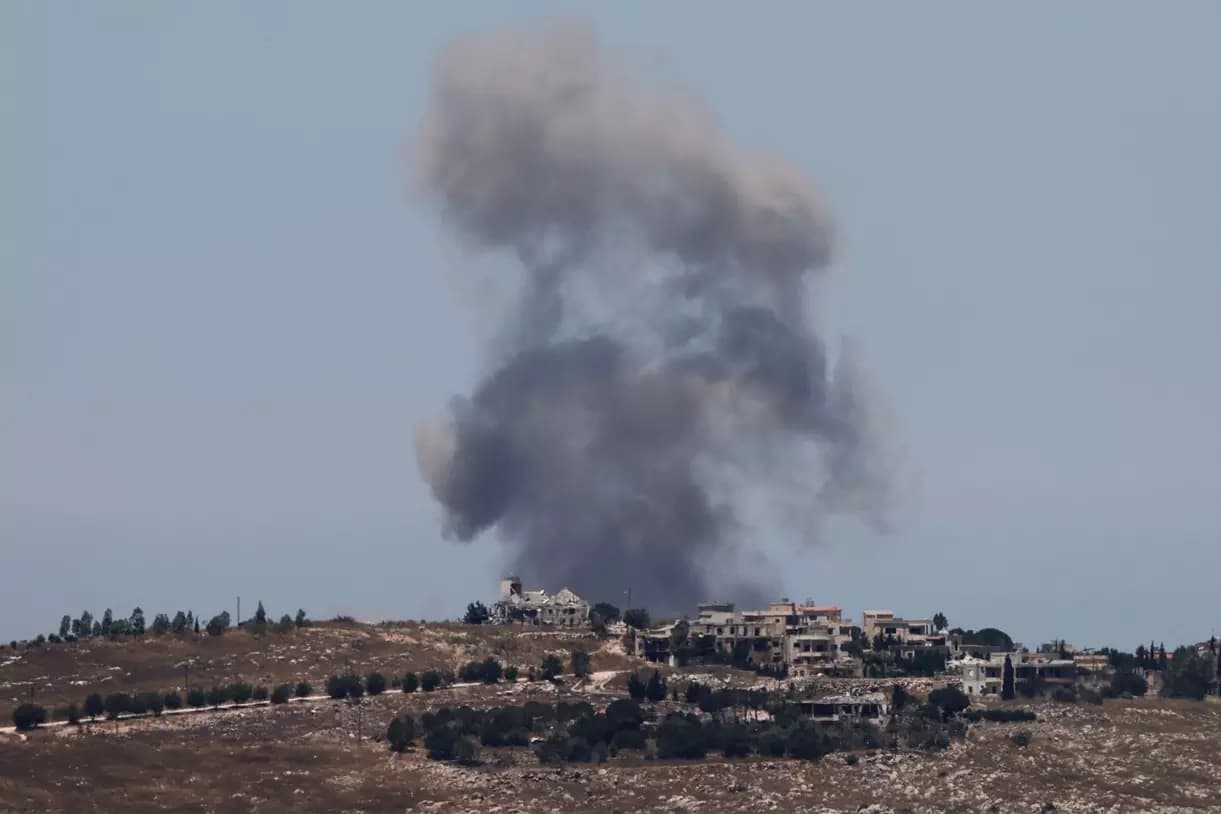
A high-stakes Iran-US peace deal is facing mounting uncertainty due to escalating military actions in the Middle East. The delicate agreement, which aimed to stabilize the region and de-escalate long-standing tensions, is being severely undermined by ongoing strikes in Beirut and southern Lebanon. These aggressive maneuvers by Israel have raised significant international concerns about the viability of restoring peace at a time when major global powers are attempting to navigate a path away from conflict.
Rising Tensions Threaten Regional Peace Deal
For decades, Israel has cited existential security threats to justify frequent military engagements. However, the current strategy, which intensified following the October 7 attacks by Hamas, has expanded into a broader campaign that now includes operations against Hezbollah in Lebanon. Despite clear warnings from Washington, these cross-border strikes continue unabated. The persistence of these military actions poses a direct risk to the diplomatic efforts designed to finalize an Iran-US peace deal, a project intended to end years of hostility and provide relief for global supply chains, including critical shipping routes in the Strait of Hormuz.
The Diplomatic Dilemma for Washington and Tel Aviv
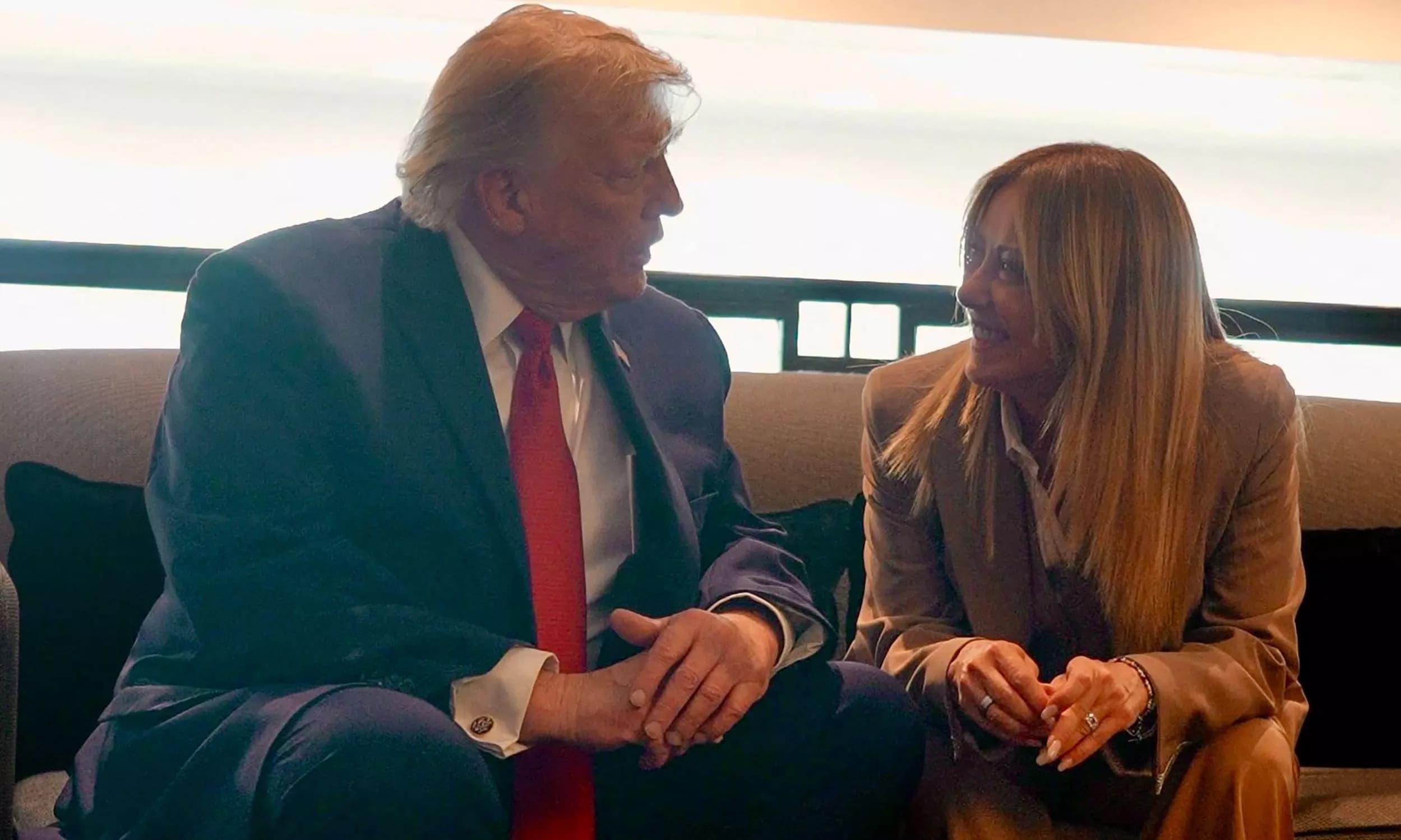
The role of Prime Minister Benjamin Netanyahu remains a focal point of this deepening crisis. Critics suggest that the Israeli leader is leveraging the ongoing conflicts in Gaza and Lebanon to maintain his domestic political standing. Meanwhile, the United States administration finds itself in a precarious position. Having offered significant concessions to Tehran to secure a pathway toward peace—partly to mitigate domestic economic pressures such as inflation and rising fuel costs—the White House is now struggling to rein in its traditional ally. High-profile political figures, including Donald Trump, have openly criticized Netanyahu, highlighting the strain on the historic relationship between the two nations.
The regional situation is becoming increasingly volatile as the intended 60-day window for de-escalation passes without significant progress. The international community fears that without a shift toward restraint from Israel, the potential for a lasting peace will remain stalled. As the United States faces the strategic consequences of its inability to influence the trajectory of these conflicts, the outlook for stability in West Asia remains grim. The reality remains that while global relief depends on the successful implementation of diplomatic agreements, the current state of affairs suggests a persistent refusal to pause military operations, further complicating the prospects for economic and physical security in the region.