Activists Demand Release of Political Prisoners in New Iran Peace Deal
As the United States and Iran negotiate a new peace agreement, international pressure is mounting to make the release of Narges Mohammadi and other prisoners of conscience a mandatory component of the deal, moving beyond mere security and nuclear concerns.
Highlights
- •International calls are growing to include the release of Nobel laureate Narges Mohammadi in the Iran peace deal.
- •Human rights activists report that over 50,000 people were detained in Iran following recent nationwide protests.
- •Executions in Iran have reportedly surged, with over 2,000 recorded in 2025, according to human rights organizations.
- •Experts argue that a sustainable peace deal must address arbitrary arrests and ensure the protection of fundamental human rights.
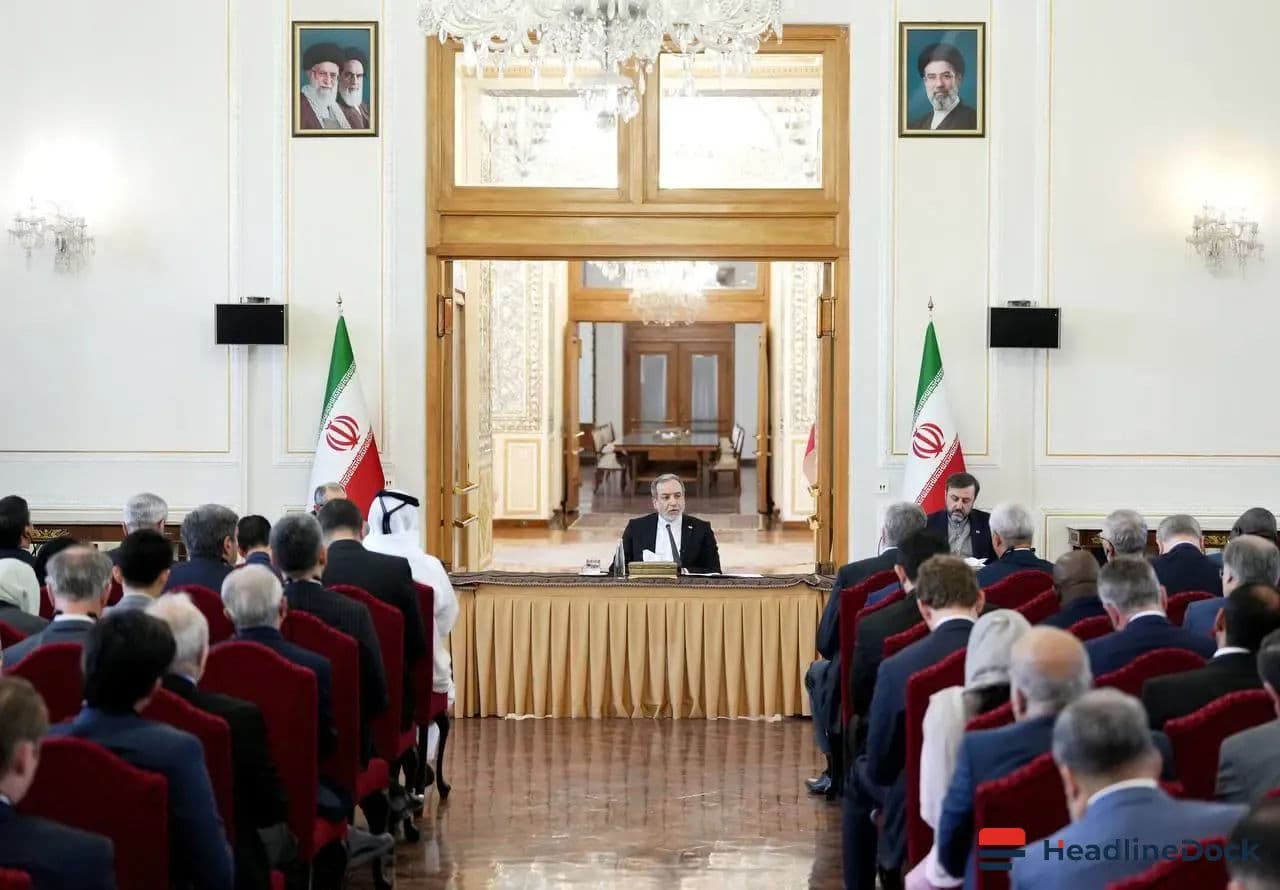
The ongoing negotiations regarding an Iran peace deal have sparked significant international concern due to the noticeable absence of humanitarian considerations. While discussions between the United States and Tehran aim to deescalate tensions and address nuclear concerns, activists are calling for the release of Narges Mohammadi and other political prisoners to be a central requirement of any final agreement.
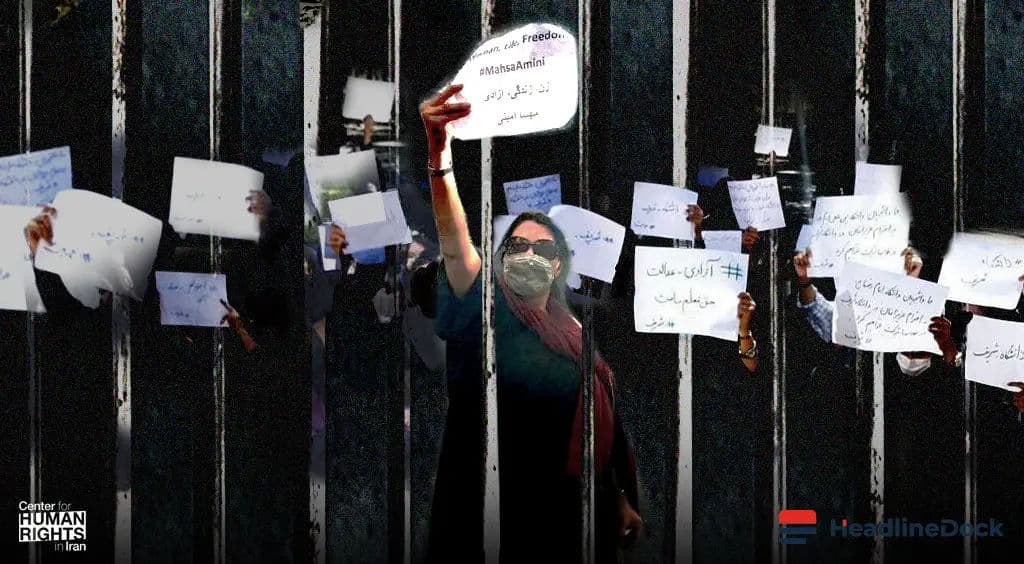
Narges Mohammadi, a recipient of the Nobel Peace Prize and numerous other international honors, remains a symbol of the struggle for human rights in Iran. Despite her global recognition, her situation—along with that of thousands of other prisoners of conscience—has reportedly not been included in the current diplomatic agenda managed by the Trump administration. Critics argue that omitting human rights from the Iran peace deal represents a failure to address the systemic repression within the nation.
Addressing Human Rights in the Iran Peace Deal
For over two decades, Mohammadi has actively documented and opposed human rights violations, including the use of the death penalty, torture, and gender apartheid. Her work with the Defenders of Human Rights Center provided a voice for many detainees. Following her most recent arrest in December 2025, she was handed a sentence exceeding 40 years. Her health has been a major concern, particularly after she reportedly suffered two heart attacks while in custody, necessitating a temporary medical release.
The scale of incarceration in Iran is substantial. Following widespread protests that occurred between late 2025 and early 2026, authorities detained over 50,000 individuals, including students, lawyers, and human rights activists. Many remain in undisclosed facilities where they face risks of forced confessions and potential capital punishment. Reports from Amnesty International indicate that executions reached a record high in 2025, with dozens more individuals executed on political charges since the start of the current regional conflict.
As negotiators move toward finalizing an agreement, the international community faces a critical choice. Proponents of a more comprehensive framework argue that a sustainable Iran peace deal must transcend mere security arrangements. Instead of focusing solely on uranium enrichment and sanctions, there is a push to make the release of political prisoners, the establishment of a moratorium on executions, and the safeguarding of fundamental rights part of the formal negotiations. Without these commitments, the agreement risks prioritizing temporary stability at the expense of human lives, leaving the existing structures of repression intact.