US-Iran Peace Talks Delayed Amidst Ongoing Regional Conflict and Escalation
The planned US-Iran peace talks in Switzerland have been delayed. Tehran cites the recent digital signing of a memorandum of understanding as the reason. Meanwhile, the fragile ceasefire between Israel and Hezbollah faces extreme pressure following significant casualties in recent regional military exchanges.
Highlights
- •Scheduled US-Iran peace talks in Switzerland have been delayed by Tehran.
- •A memorandum of understanding for ending the West Asia war was signed digitally.
- •Conflict between Israel and Hezbollah persists despite a US-brokered ceasefire agreement.
- •Hostilities in the region resulted in at least 47 deaths and 97 injuries.
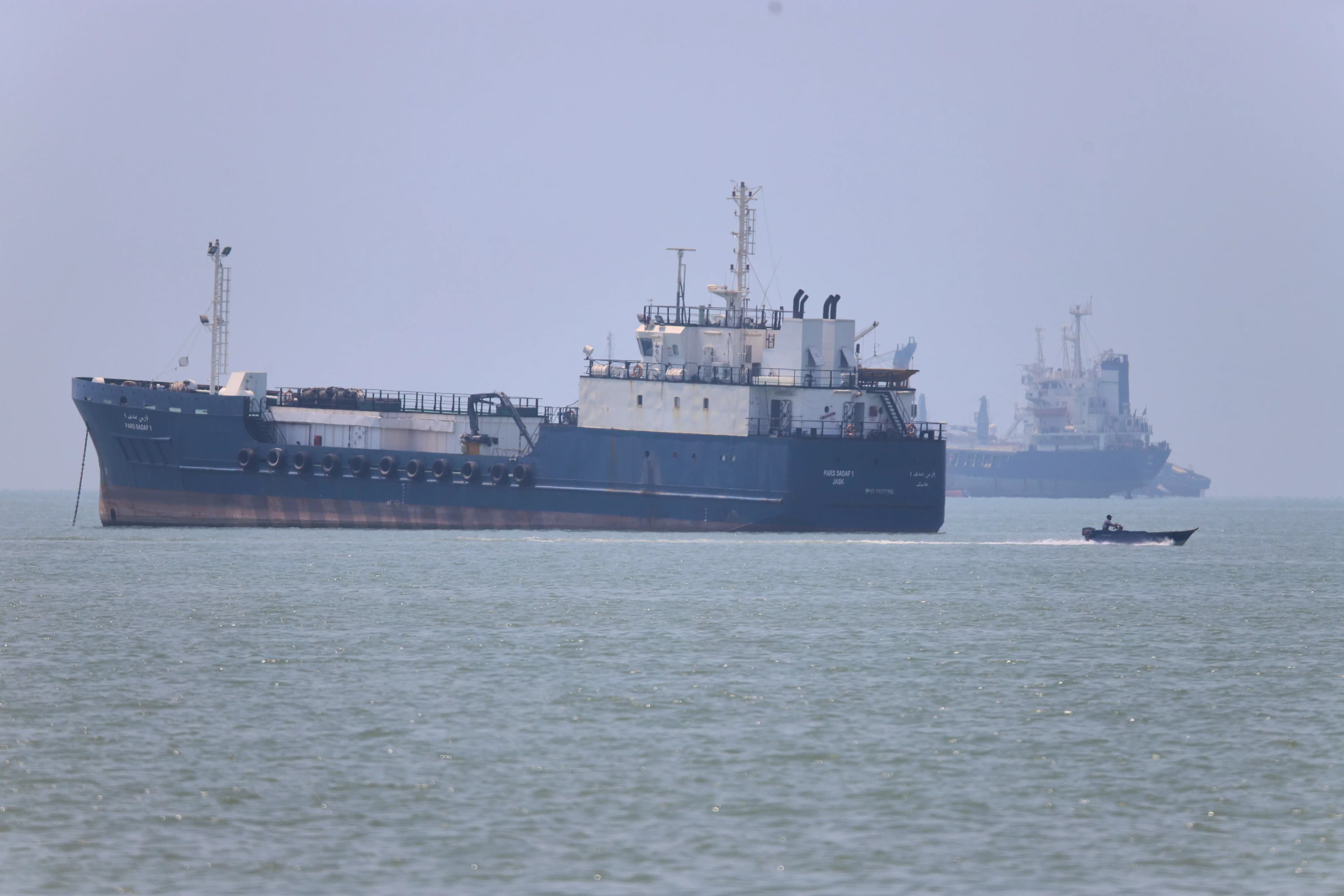
Diplomatic efforts regarding the US-Iran peace talks, originally scheduled to take place in Switzerland, have been officially postponed. This development occurs amidst escalating regional tensions, with Tehran asserting that it maintains a firm stance on its established red lines. Despite the delay in high-level discussions, reports indicate that maritime activity is beginning to resume within the critical Strait of Hormuz.
Status of US-Iran Peace Talks and Regional Escalation
The Iranian foreign ministry clarified that there was no immediate urgency to convene with United States negotiators. According to spokesperson Esmaeil Baqaei, the decision follows the digital signing of a memorandum of understanding (MoU) on June 18, intended to bring an end to the ongoing conflict in West Asia. While the immediate meeting in Switzerland was pushed back, officials noted that planning for a subsequent encounter is currently underway for the coming days.
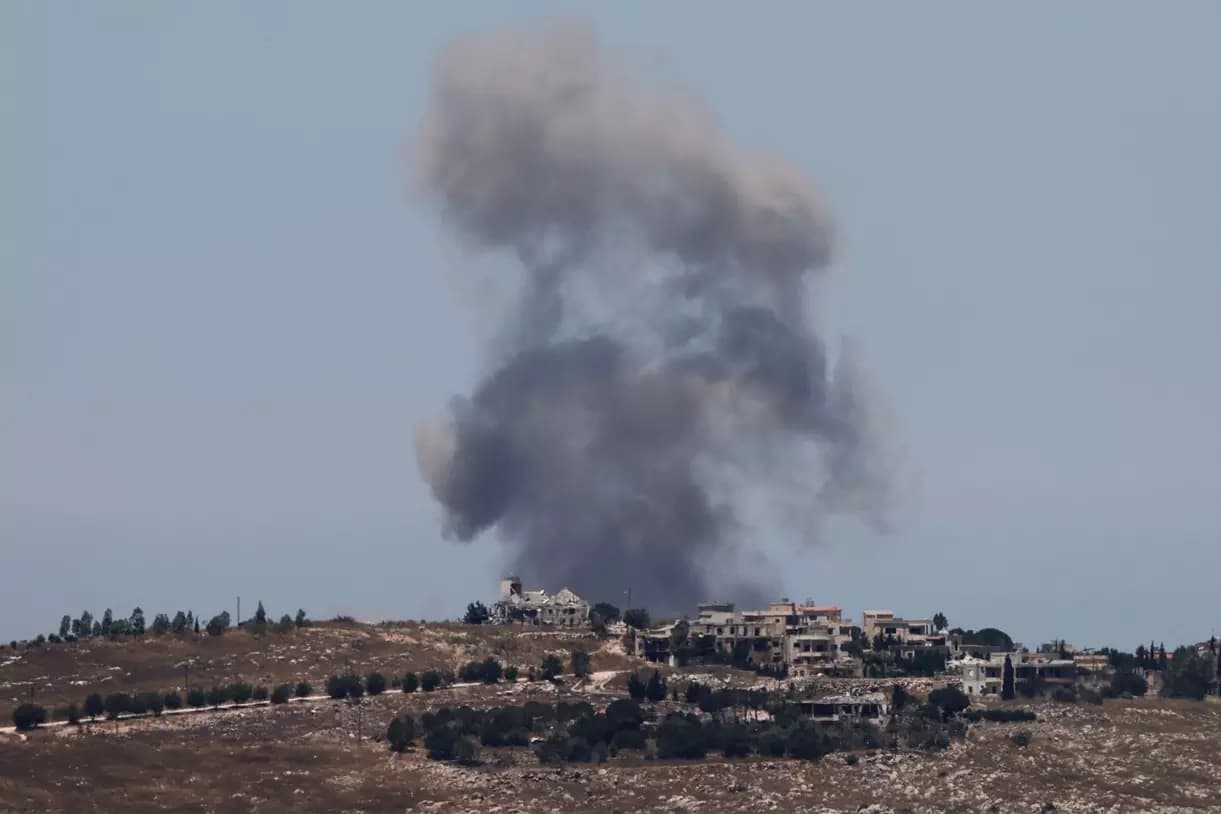
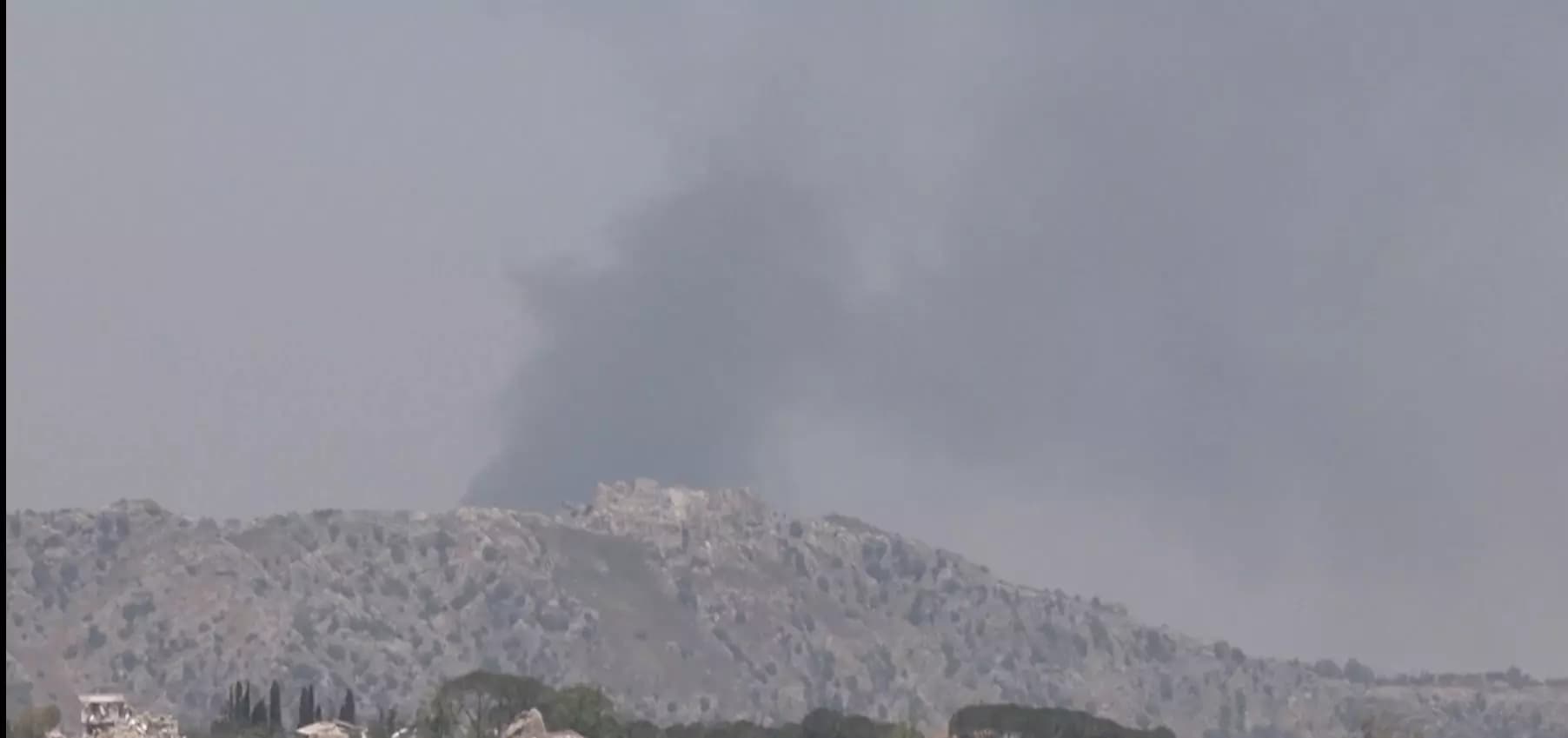
Simultaneously, the geopolitical landscape remains volatile due to ongoing hostilities involving Israel and Hezbollah. Although a ceasefire agreement was recently announced by a US official, the situation remains highly unstable. Recent exchanges of fire have resulted in the deaths of at least 47 individuals and left 97 others wounded, placing significant pressure on the newly established peace efforts.
Impact of Ongoing Conflict
The implications of these developments are widespread, affecting both diplomatic negotiations and regional security. Israeli Prime Minister Benjamin Netanyahu emphasized that the Israeli military presence in Lebanon would persist for as long as deemed necessary. He further stated that Hezbollah would face severe consequences for its continued aggressive actions against the region.
Adding to the intensity of the rhetoric, Israeli national security minister Itamar Ben Gvir expressed a hardline perspective following the loss of soldiers. His comments regarding the necessity of a forceful military response highlight the extreme challenges facing international mediators who are striving to stabilize the situation. The convergence of these events illustrates the complexities inherent in managing US-Iran peace talks while simultaneously addressing an active and deadly military conflict in West Asia.