Analyzing the US-Iran Peace Deal: Concessions, Promises, and Uncertain Outcomes
The recently signed 14-point US-Iran peace deal is under scrutiny for offering major concessions while failing to secure lasting regional peace or significant nuclear limitations. The agreement faces implementation challenges and potentially alters the economic and security landscape for Persian Gulf nations.
Highlights
- •The 14-point memorandum aims to end hostilities between the US, Iran, and the Israel-Hezbollah conflict in Lebanon.
- •The agreement lacks participation from key regional actors like Israel and Hezbollah, threatening its long-term stability.
- •Economic provisions involving the Strait of Hormuz could force Persian Gulf nations to fund Iran's reconstruction.
- •The US faces challenges in fulfilling sanctions relief promises that require broader international and UN cooperation.
A new 14-point memorandum of understanding has been finalized by the United States and Iran, aiming to cease hostilities between the two nations while addressing the ongoing Israel-Hezbollah conflict in Lebanon. This US-Iran peace deal, however, faces significant scrutiny regarding its long-term viability and the extent of the concessions made by Washington.
From an analytical perspective, the agreement presents challenges for the United States, with critics suggesting that the administration is offering substantial terms in exchange for limited gains. Concerns have been raised that this US-Iran peace deal fails to provide concrete advantages, even regarding Iran’s nuclear program, which remains largely unchecked under the current framework.
Evaluating the Security and Economic Implications
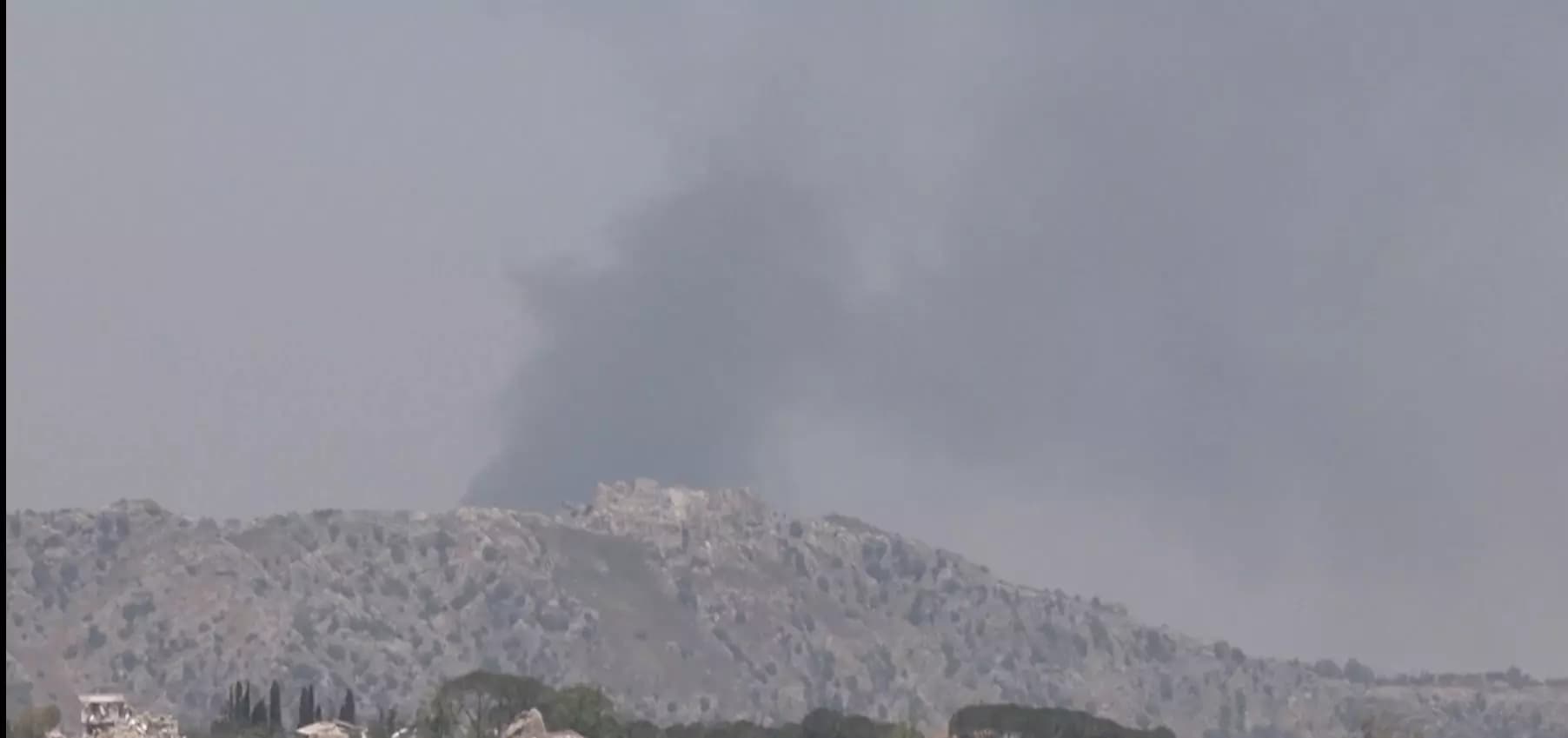
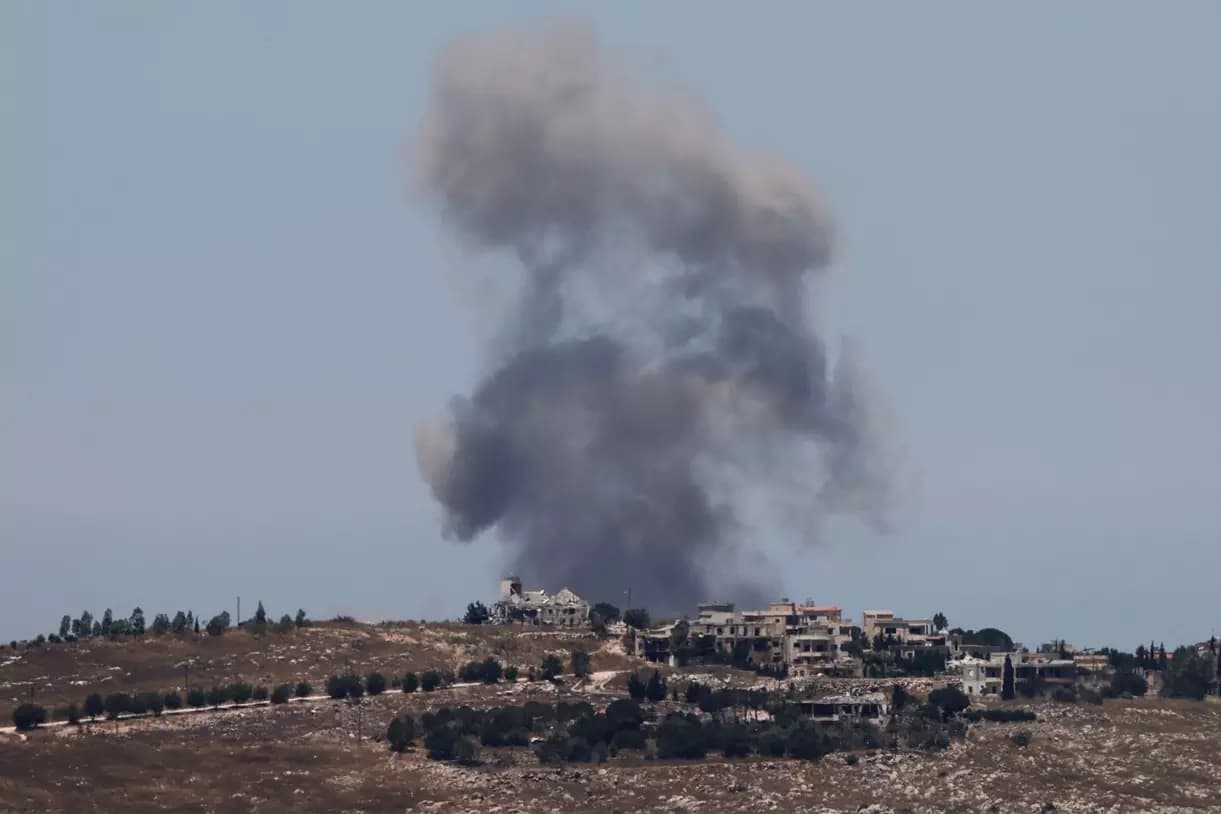
A major point of contention is the absence of key stakeholders, specifically Israel and Hezbollah, from the negotiations. While the agreement calls for the termination of military operations in Lebanon, the lack of commitment from these parties raises doubts about its enforcement. Domestic political pressures in Israel further complicate the prospect of a lasting ceasefire in the region.
The agreement also introduces complex economic dynamics involving the Strait of Hormuz. Under the US-Iran peace deal, Iran may potentially levy service fees on commercial vessels after a 60-day period. This places Persian Gulf nations in a precarious position. These states, having faced direct attacks, may feel compelled to fund the proposed $300 billion reconstruction plan for Iran simply to secure their own territorial and economic interests. This development could shift regional alliances, as these nations might seek closer ties with powers like China to ensure their future security.
Furthermore, the promises regarding sanctions relief and the unfreezing of assets are viewed as problematic. The United States lacks the authority to independently override United Nations or IAEA resolutions. Consequently, the ability of Washington to fulfill these commitments without extensive consultation with international allies remains highly questionable. The nuclear provision in the agreement also appears limited, as it does not explicitly prohibit uranium enrichment, focusing instead on continued discussions rather than a definitive halt. As it stands, the US-Iran peace deal appears to rely on ambitious goals that may struggle to materialize in the coming months.