Israel and Hezbollah Confirm Ceasefire Agreement Starting Friday Afternoon
Israel and Hezbollah have confirmed a ceasefire agreement scheduled to begin Friday at 4 p.m. local time. The deal was brokered by U.S., Qatari, and Iranian negotiators following a period of intense military engagement, aiming to de-escalate tensions in the region.
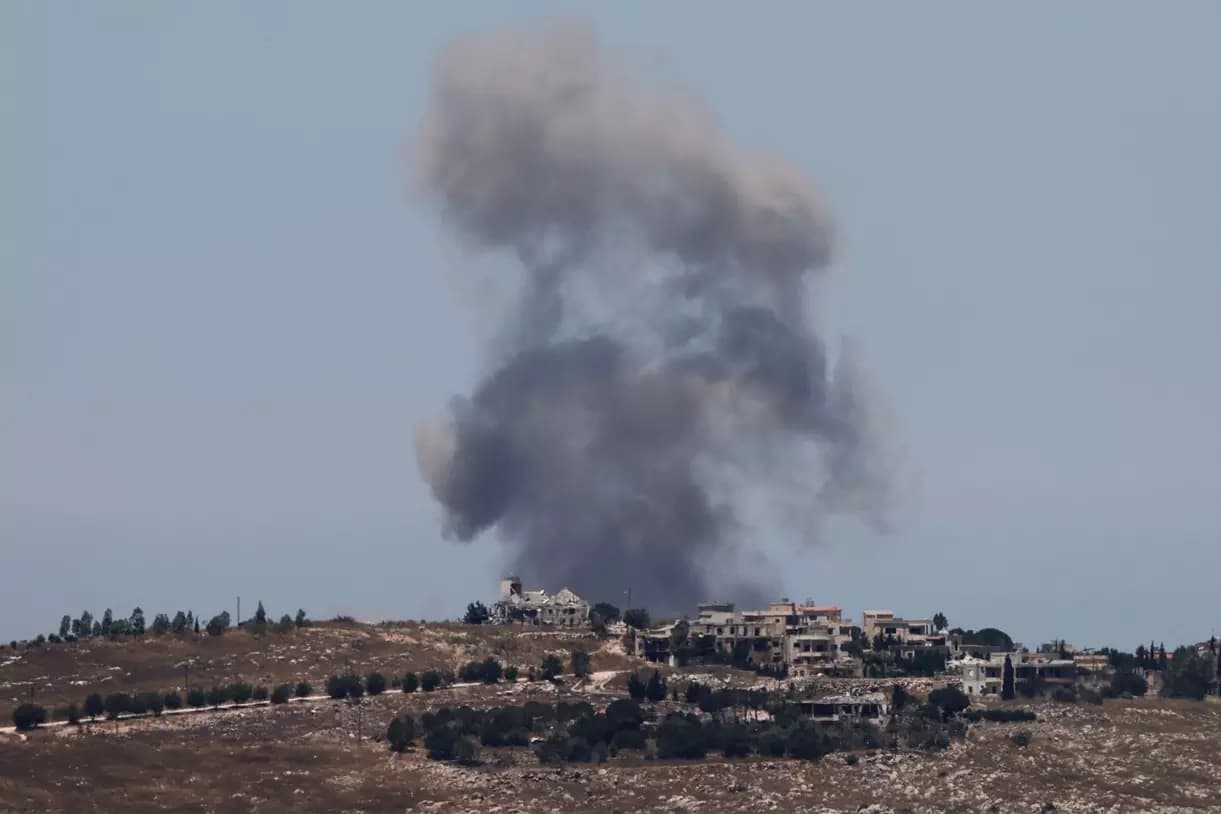
Highlights
- •Israel and Hezbollah have entered a formal ceasefire agreement.
- •The pause in hostilities is scheduled to begin at 4 p.m. local time on Friday.
- •The deal was brokered through joint efforts by the US, Qatar, and Iran.
- •This agreement follows a day of active military exchanges between the parties.
A significant development in the ongoing regional conflict has emerged, as Israel and Hezbollah have officially reached a ceasefire agreement. According to a senior United States official, this cessation of hostilities is scheduled to commence at 4 p.m. local time on Friday. This diplomatic breakthrough marks a critical juncture in the tense situation that has seen persistent exchanges of fire between the two parties.
Details of the Israel-Hezbollah Ceasefire Agreement
The ceasefire deal was successfully negotiated through a collaborative effort involving representatives from the United States and Qatar, with essential support and facilitation provided by Iran. By coordinating between the involved entities, these intermediaries have managed to establish terms that both Israel and Hezbollah have accepted. Officials emphasized that this agreement follows a day characterized by active military engagement, noting that the transition to a formal halt in hostilities is now firmly in place.
The immediate impact of this ceasefire is expected to be a substantial reduction in cross-border tensions. While the situation remains delicate, the agreement to pause fire serves as a foundational step toward broader stability in the region. Observers are closely monitoring the developments to ensure that both sides adhere to the timing and stipulations outlined in the deal, which is crucial for maintaining the newly established calm.
The involvement of international actors highlights the complexity of the negotiations required to secure a temporary end to the fighting. With the ceasefire set to take effect on Friday afternoon, the international community remains hopeful that this window of peace will provide the necessary space for further diplomatic discussions. The success of this initiative is a direct result of the intensive behind-the-scenes efforts conducted by the United States, Qatar, and other regional stakeholders.
As the clock approaches 4 p.m. local time, the primary objective remains the strict observation of the agreement by both Israel and Hezbollah. Avoiding further escalations is paramount to preserving this tentative peace. The global community will continue to evaluate the durability of this arrangement as the region seeks to move past the most recent period of violent exchanges.