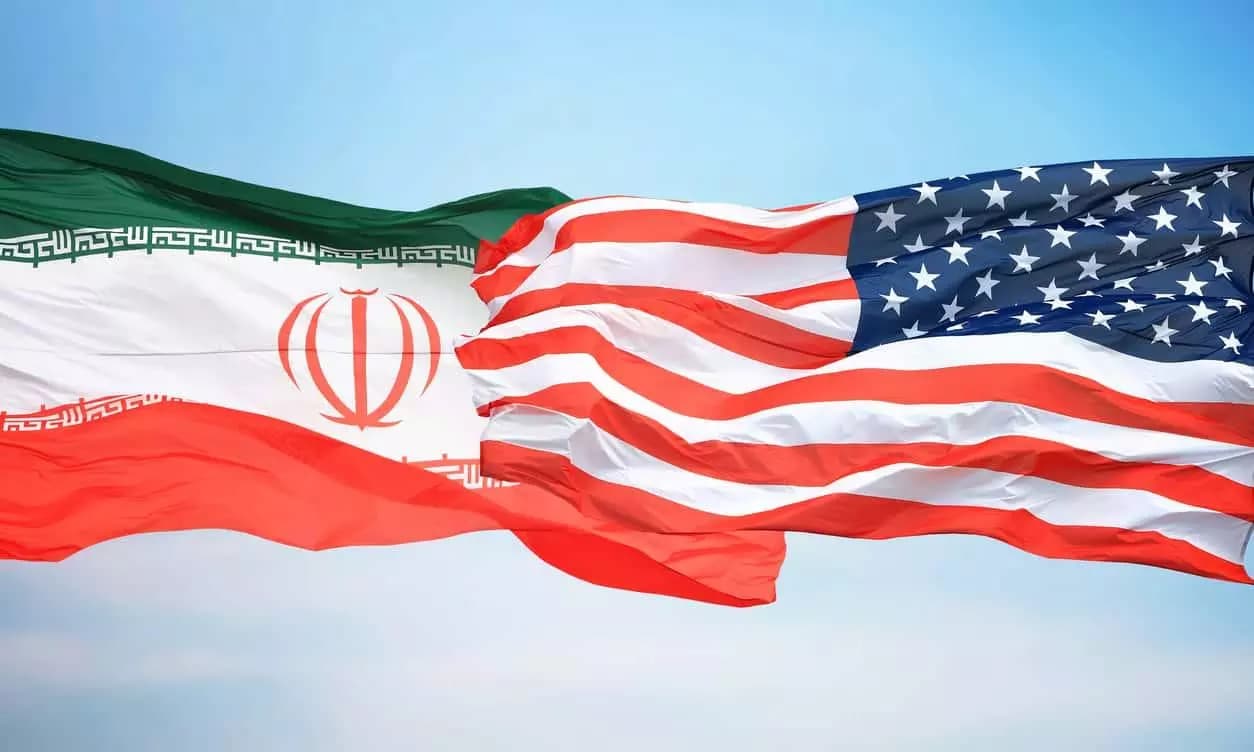
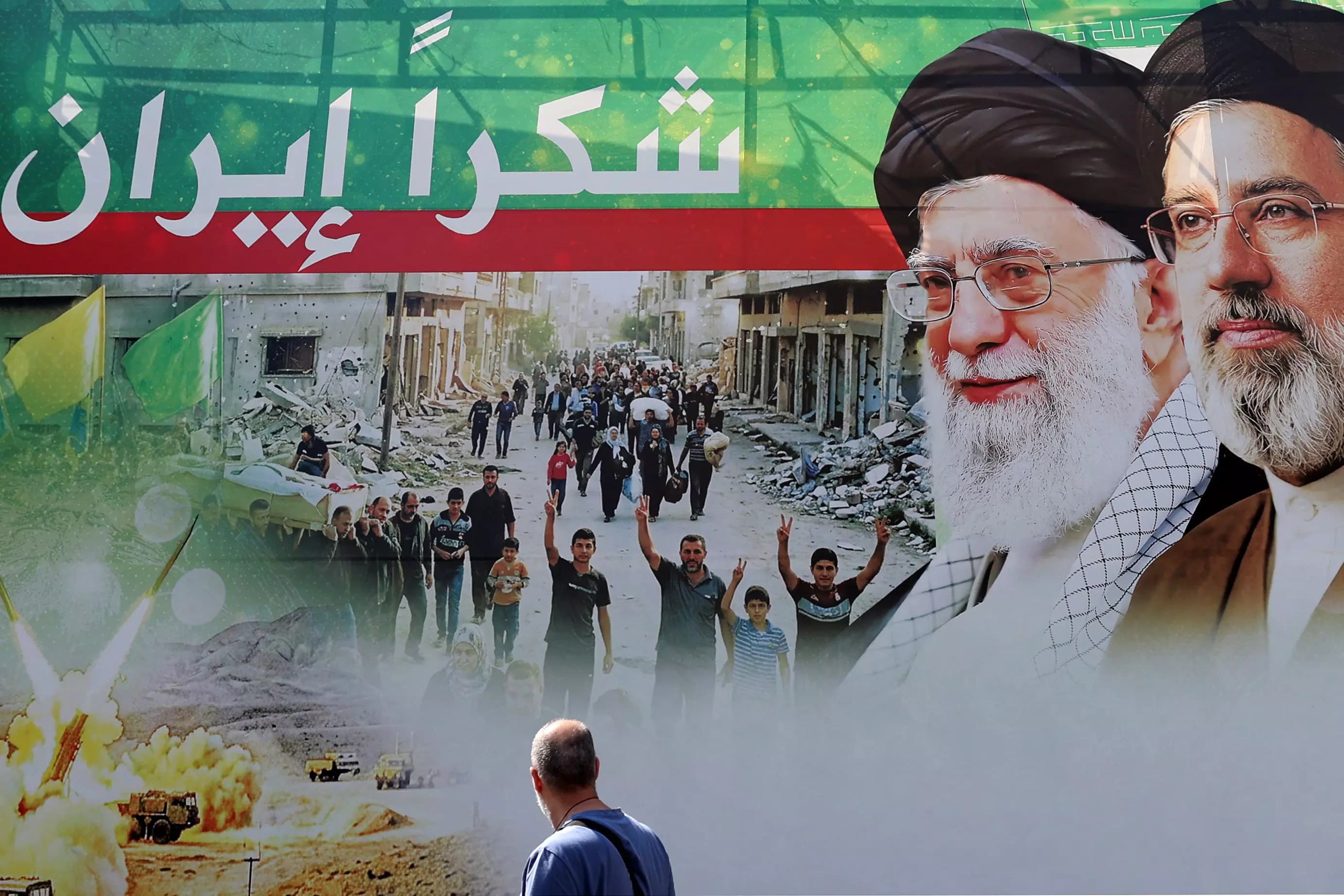
US and Europe Belarus Policy Split Creates New Geopolitical Challenges
The United States and Europe are pursuing contrasting strategies toward Belarus. While the U.S. uses targeted sanctions relief for political gains, Europe enforces strict pressure, creating a transatlantic divide that potentially strengthens Alexander Lukashenko’s bargaining power and complicates regional security efforts.
Highlights
- •The U.S. is adopting a flexible policy toward Belarus, using targeted sanctions relief in exchange for political prisoner releases.
- •European nations are maintaining a strict sanctions-first approach, viewing Belarus as a direct threat to regional security and border integrity.
- •Belarus has deepened its economic ties with Russia and China, with trade volumes reaching record levels by 2025.
- •The transatlantic divergence in policy provides Alexander Lukashenko with significant leverage, complicating Western efforts to contain Russian influence.
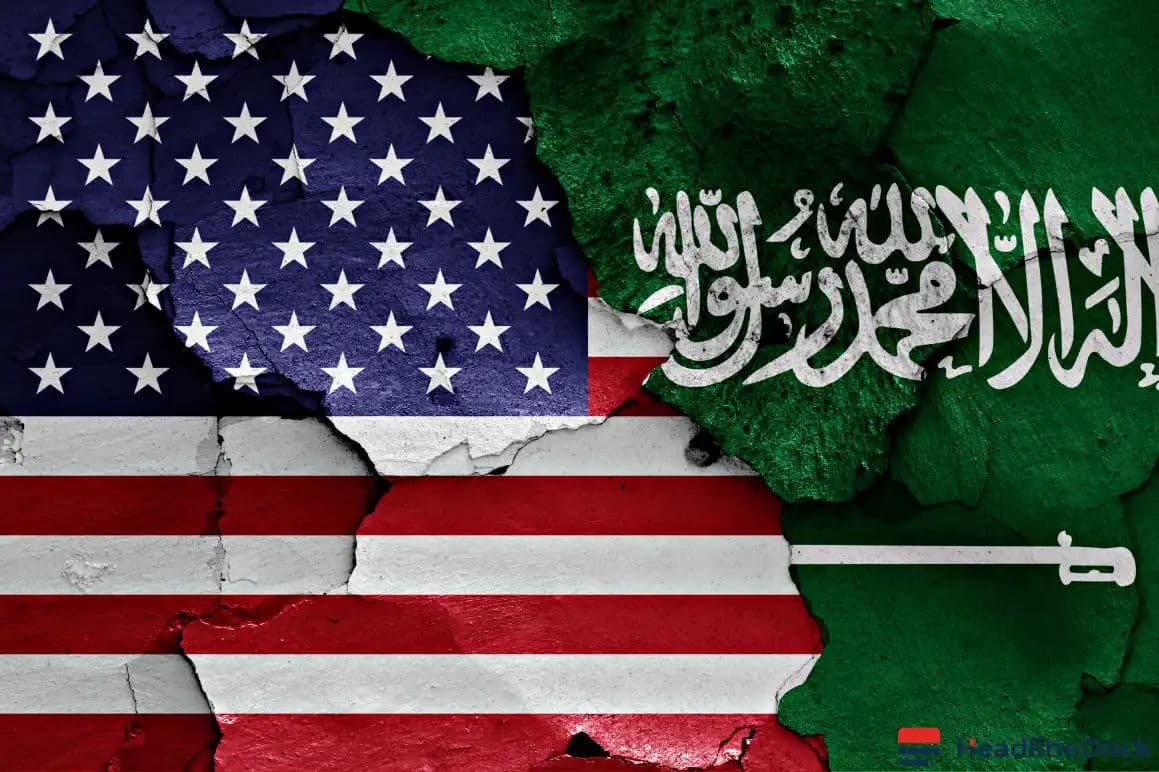
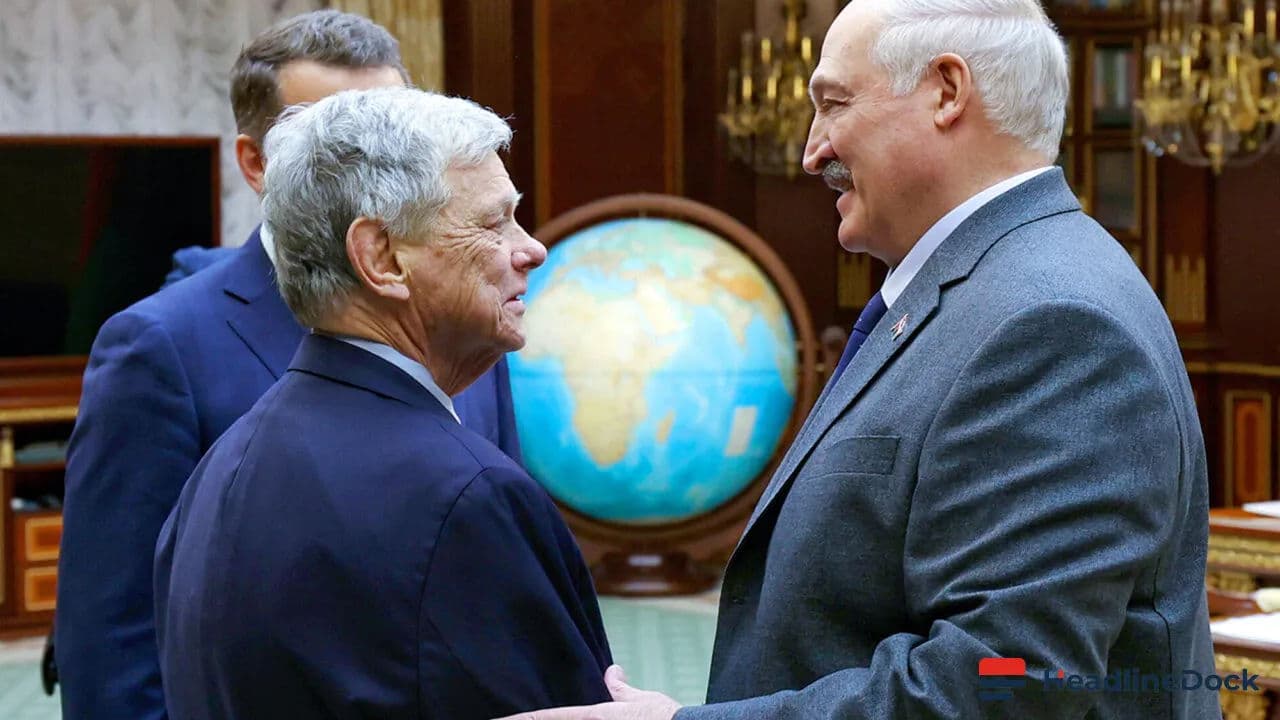
The United States and European Union are currently displaying a notable divergence in their diplomatic approaches toward Belarus, a shift that geopolitical experts suggest may inadvertently provide strategic advantages to the government of Alexander Lukashenko. While the administration of President Donald Trump balances sanctions with tactical engagement, European nations are prioritizing a more stringent, pressure-based stance to counter regional security threats.
The Growing Divide in Belarus Policy
In May 2026, the U.S. government officially extended the national emergency regarding Belarus, citing the regime as a persistent security threat. However, this legal action contrasts with recent administration decisions to ease specific sanctions on the Belarusian financial and fertilizer sectors. This move was framed as a reciprocal agreement following the release of 250 political prisoners. Historically, Lukashenko has utilized prisoners as bargaining chips, a strategy previously observed in 2008 and 2015. This two-track American approach—combining punitive measures with potential deal-making—is increasingly distinct from the unified, harder-line policy adopted by European allies.
The European Union has maintained a firm focus on restricting Belarus, viewing the country as an extension of Russian military logistics and a hub for sanctions evasion. Following a sanctions package introduced in April 2026, the EU has emphasized closing financial loopholes and restricting trade, particularly as fears persist that Belarus could serve as a staging ground for Russian military operations against Ukraine. For neighboring nations such as Poland, Lithuania, Estonia, and Latvia, the concern is existential. These countries are actively bolstering their borders through programs like the Baltic Defense Line and Poland's East Shield, treating border security as an urgent, everyday reality.
Strategic Implications for the West
The Trump administration’s willingness to negotiate has created friction with European partners who demand consistent pressure. While the U.S. seeks leverage to achieve specific outcomes, such as the release of political detainees or securing fertilizer supply chains to aid domestic farmers, European leaders argue that such flexibility undermines a united front against Moscow. As Belarus continues to deepen its economic reliance on Russia—with bilateral trade surging to $62 billion by 2025—and increases its trade with China, the gap between Washington and Brussels appears to be widening.
Ultimately, this transatlantic misalignment offers Lukashenko greater room to maneuver. By exploiting these tactical differences, the Belarusian leadership manages to maintain internal control while navigating the conflicting priorities of Western powers. As regional tensions remain high, the effectiveness of the current U.S. strategy remains a subject of intense debate among security analysts and regional policymakers.