U.S. Indictment of Raúl Castro: A New Chapter in Historical Tensions
The U.S. has indicted former Cuban leader Raúl Castro over a 1996 plane shootdown. This development occurs against a backdrop of historic U.S.-Cuba tensions, severe economic sanctions, and concerns regarding the potential for further military or diplomatic escalation by the current U.S. administration.
Highlights
- •The U.S. indicted former Cuban President Raúl Castro for the 1996 downing of two planes.
- •The indictment follows a long history of U.S. efforts to influence Cuban political leadership.
- •Economic sanctions and fuel restrictions have significantly impacted Cuba's healthcare infrastructure.
- •Critics argue the legal action is part of a broader pattern of escalation against the Cuban government.
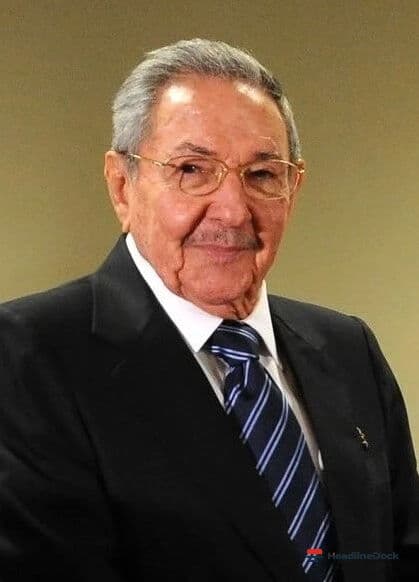
The United States government recently took the significant step of indicting former Cuban President Raúl Castro on murder charges. This legal action, announced on May 20, 2026, by the Trump administration, centers on the 1996 downing of two aircraft near the Cuban coastline, an incident that resulted in four fatalities. This indictment of Raúl Castro marks a major development in the ongoing diplomatic and political tensions between the two nations.
Historical Context of U.S. and Cuban Relations
To understand the current U.S. indictment of Raúl Castro, it is essential to examine the long-standing history of American foreign policy regarding Cuba. Since the 1959 Cuban Revolution, which replaced the U.S.-backed regime of Fulgencio Batista, the United States has pursued various strategies to influence or alter the political landscape on the island. Historical records indicate that early government officials perceived the revolution as a direct threat to American commercial and political interests in the region.
The U.S. approach has historically included covert operations, such as the 1961 Bay of Pigs invasion, and the long-term imposition of economic sanctions. These policies were designed to exert pressure on the Cuban government. Over the decades, figures like Richard Helms, a former CIA official, confirmed that various government task forces were involved in efforts to disrupt Cuba's economic infrastructure, including power plants and sugar mills.
Escalating Tensions and Modern Implications
The U.S. indictment of Raúl Castro follows earlier legal actions against Venezuelan leader Nicolás Maduro in January 2026, which were also initiated under the Trump administration. Observers note that these legal maneuvers have previously served as precursors to more aggressive military or economic actions. Recent efforts by the U.S. to restrict fuel shipments to Cuba have placed severe strain on the island's public health and sanitation systems, leading to reports of increased infant mortality rates between 2018 and 2025.
The specific incident involving the 1996 shootdown was linked to the group Brothers to the Rescue, led by José Basulto. While the U.S. government maintains its stance on the legality of the event, critics point out that the group had acknowledged conducting activities to provoke a confrontation. As the U.S. indictment of Raúl Castro moves forward, analysts continue to monitor how these actions will reshape the fragile relationship between Washington and Havana, particularly given the historical patterns of intervention and the current economic pressures faced by the Cuban population.