US Media Outlets Question Donald Trump’s Narrative on Iran Deal
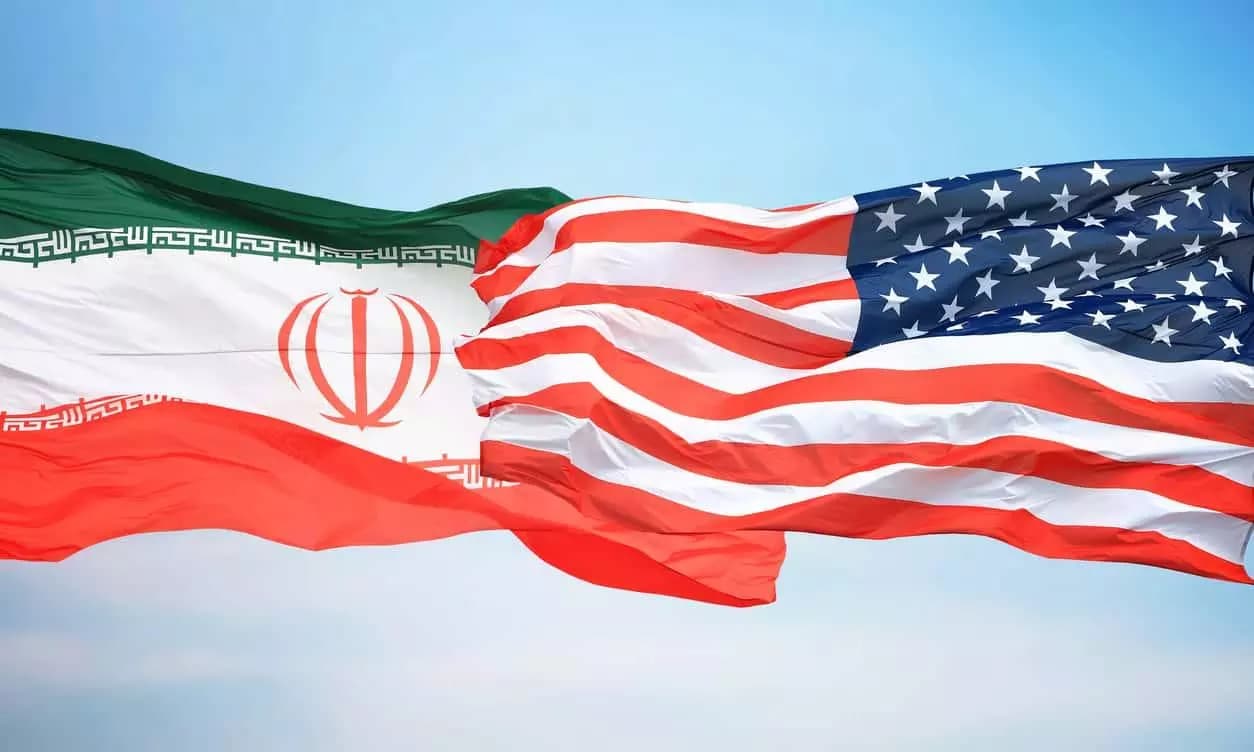
President Trump faces intense backlash over a new Iran deal, with critics arguing it provides massive financial concessions to Tehran without securing nuclear disarmament. Analysts suggest the agreement may have inadvertently strengthened the Iranian regime while failing to meet initial pre-war objectives.
Highlights
- •President Trump's new Iran deal faces widespread criticism for offering major financial concessions.
- •The agreement includes a $300 billion reconstruction fund contingent on future nuclear program negotiations.
- •Analysts argue the deal may have strengthened Iranian leadership rather than achieving initial pre-war goals.
- •Concerns persist regarding Iran's proximity to nuclear capabilities following the ceasefire and reconstruction terms.
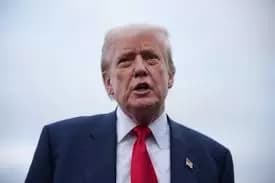
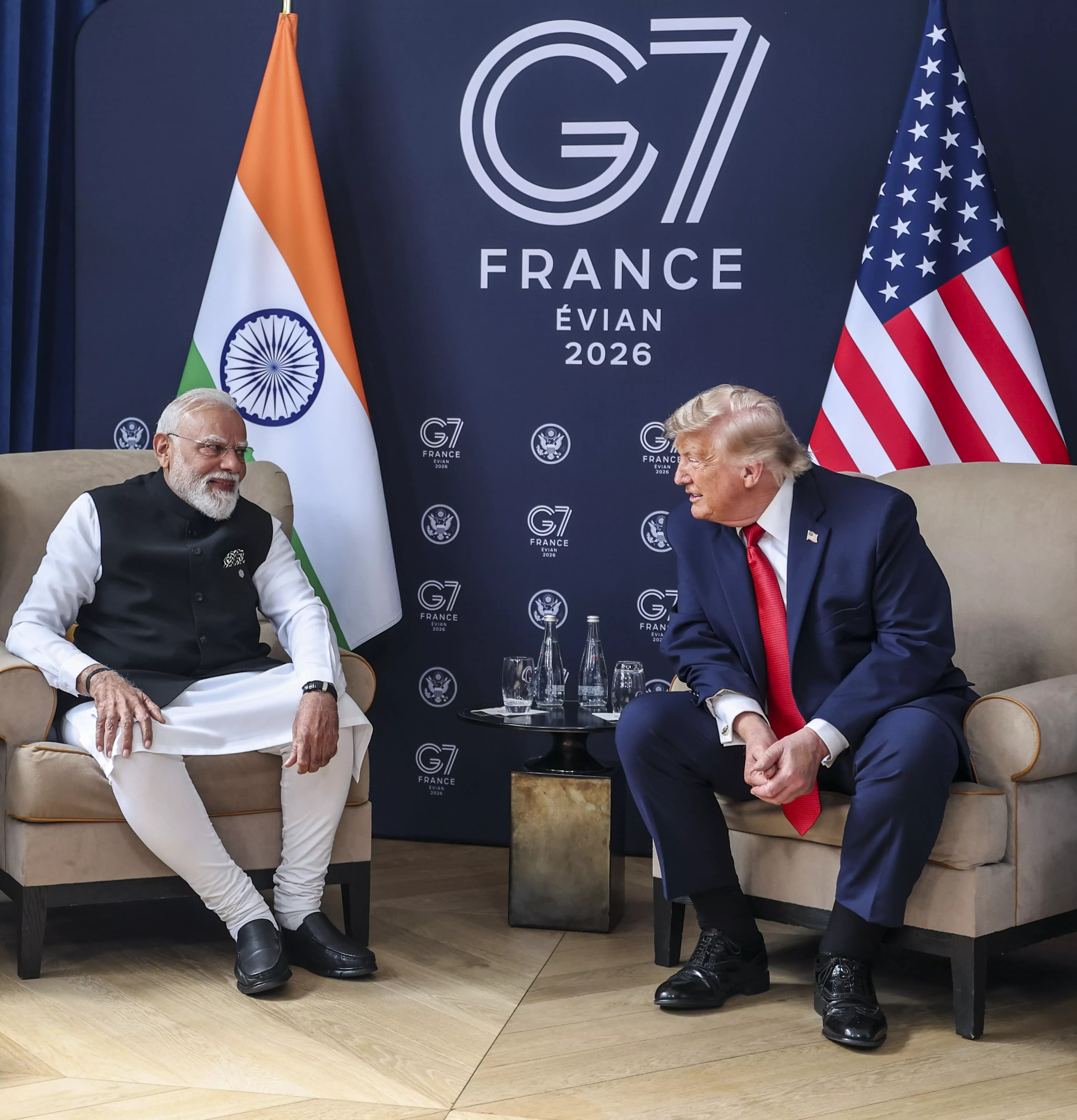
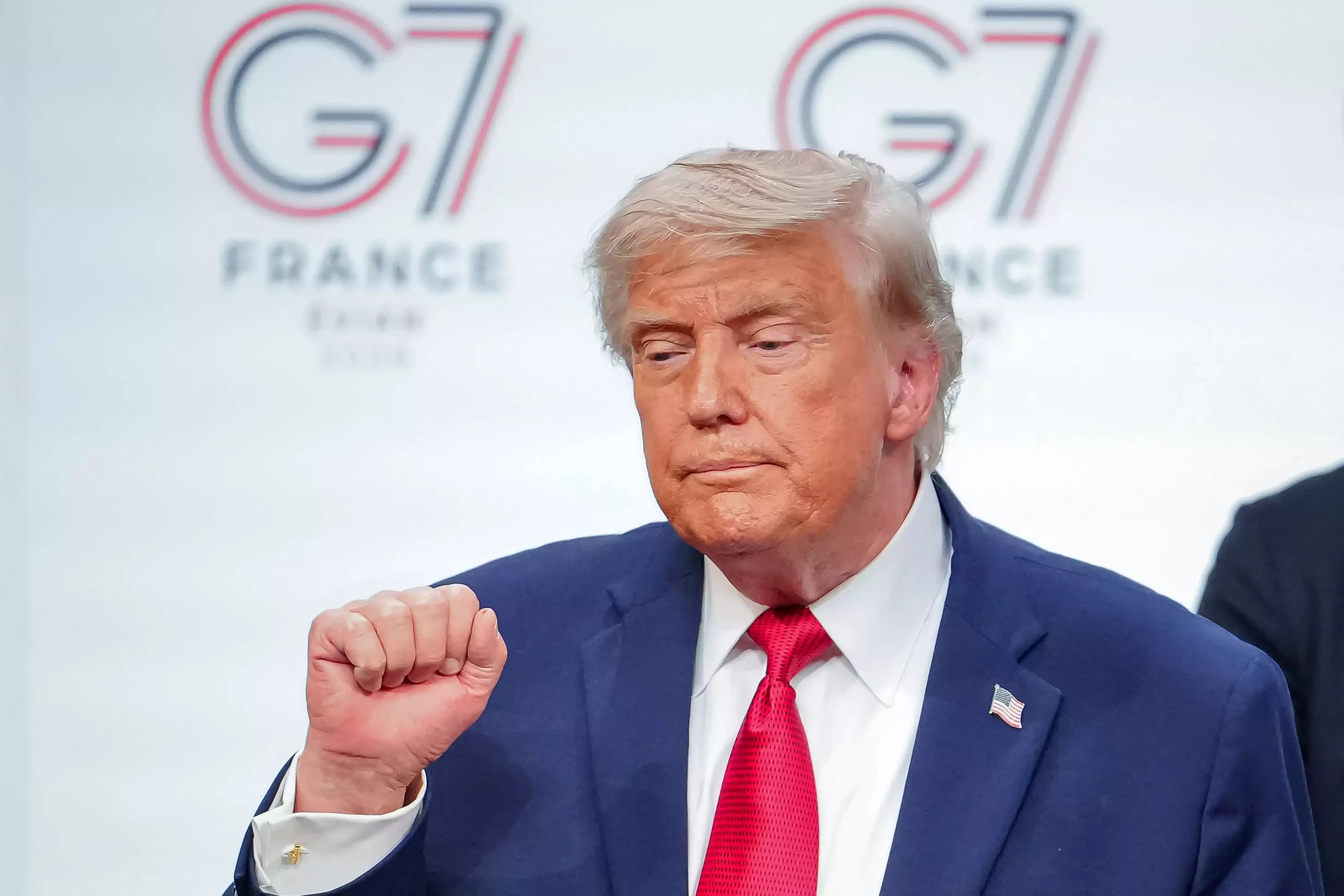
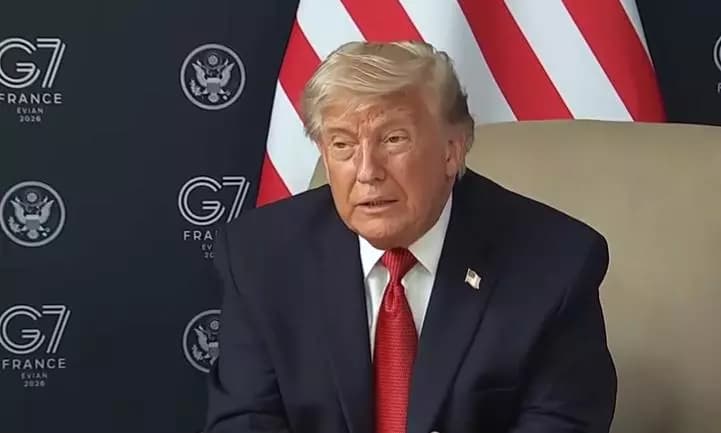
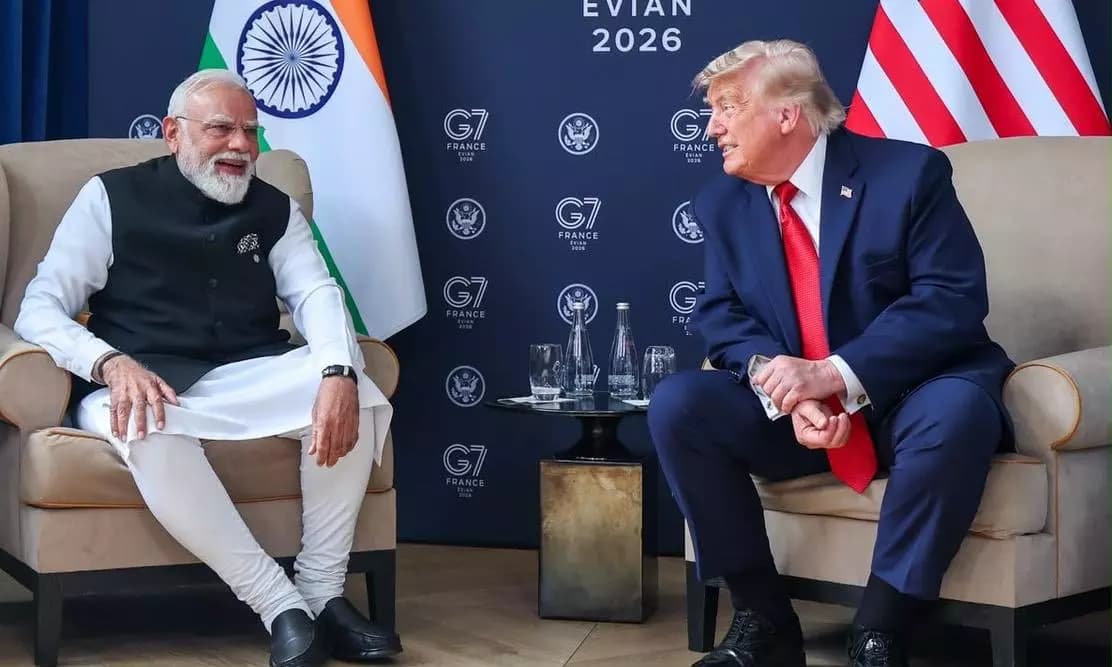
The Iran deal brokered by United States President Donald Trump is currently facing intense scrutiny and widespread skepticism from various media outlets. Following a memorandum of understanding signed at a candlelit dinner near Paris, the administration aimed to finalize a conflict that has significantly impacted the Middle East and the global economy. However, upon returning to Washington, the President encountered significant backlash regarding the terms of the agreement.
Analyzing the Controversial Iran Deal Terms
Critics, including those typically aligned with the administration, have voiced concerns that the Iran deal offers substantial financial advantages to Tehran without ensuring the dismantling of its nuclear capabilities. The current arrangement is described as a temporary measure, designed to facilitate future negotiations concerning the long-term control of Iran's nuclear power ambitions. According to the provisions, once a final agreement is reached, the United States will assist in releasing a $300 billion reconstruction fund, supported by various regional nations.
The prevailing narrative among many observers is that the administration may have failed to achieve its initial pre-war objectives. Television networks and prominent financial publications have questioned the effectiveness of the strategy, with some analysts arguing that the concessions granted to the regime heavily outweigh any commitments obtained in exchange. Reports suggest that the signing process itself faced unexpected disarray, with the President allegedly signing the document twice, much to the surprise of his staff.
Impact of the Middle East Conflict Strategy
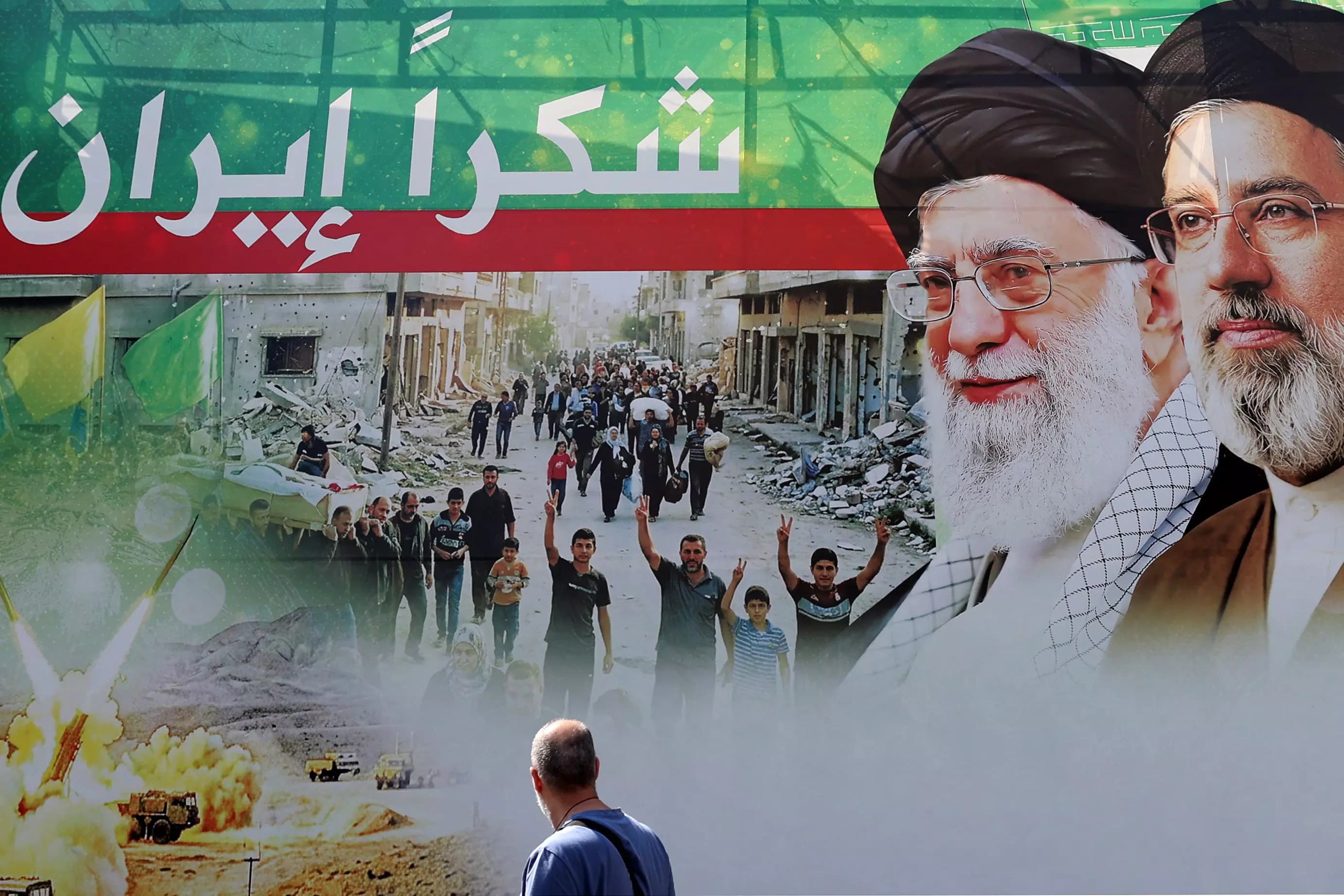
The conflict, which escalated following US-Israeli strikes on Tehran on February 28, was expected by some to lead to a regime collapse. Instead, analysts note that the recent agreement might have inadvertently strengthened the current leadership in Iran. By leveraging economic instability, the country has navigated a complex geopolitical situation, potentially positioning itself closer to nuclear advancement than previously anticipated.
While the administration attempts to frame this development as a diplomatic breakthrough, resistance from policy hawks remains strong. They argue that the President is yielding significant leverage while securing minimal guarantees. As Iran clears the aftermath of 40 days of aerial bombardment and prepares to manage an influx of oil revenue, the international community continues to debate whether this strategy effectively addresses the long-term nuclear risks or merely delays a more profound confrontation in the region.