US and Iran Reach Interim Agreement to Ease Regional Tensions and Oil Crisis
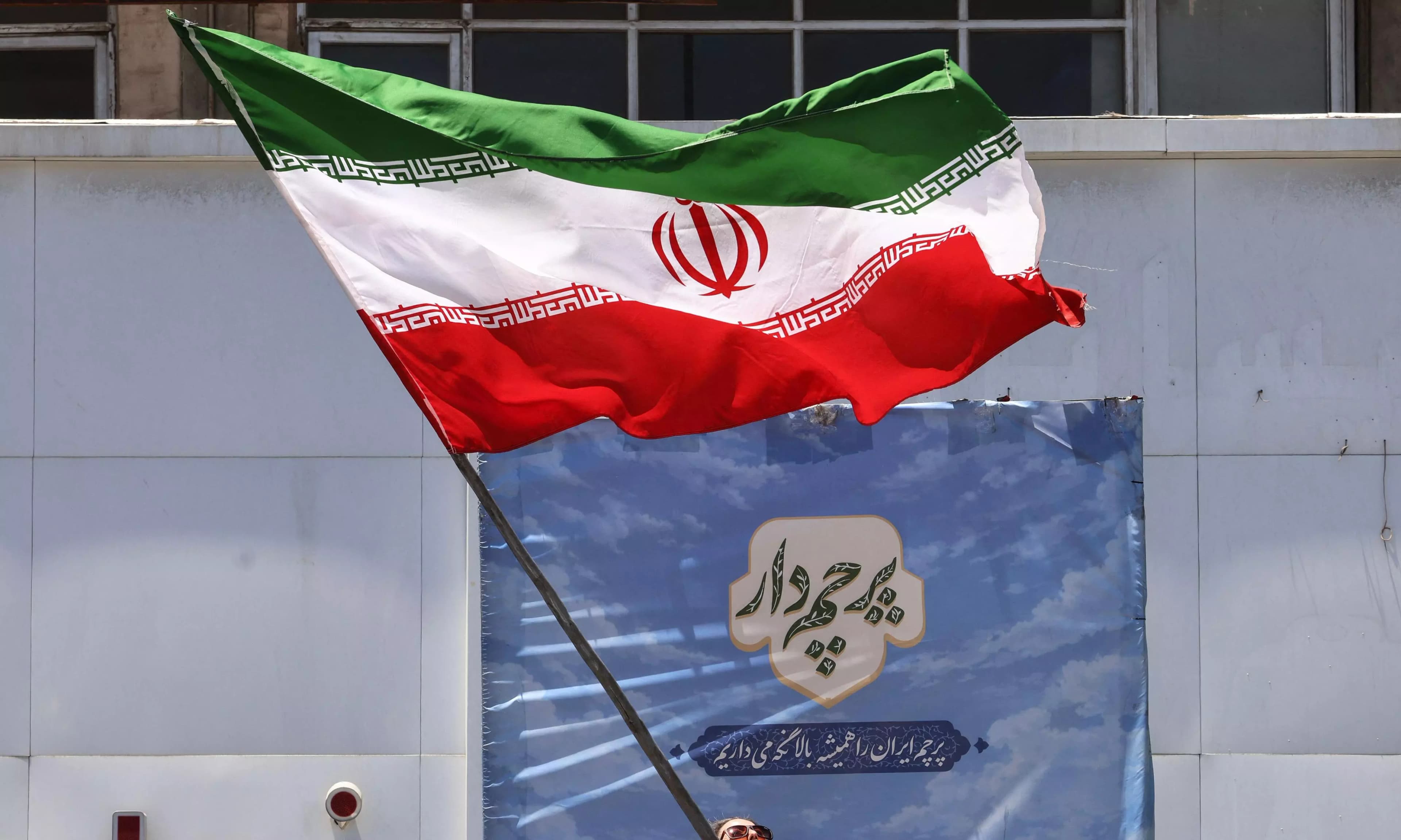
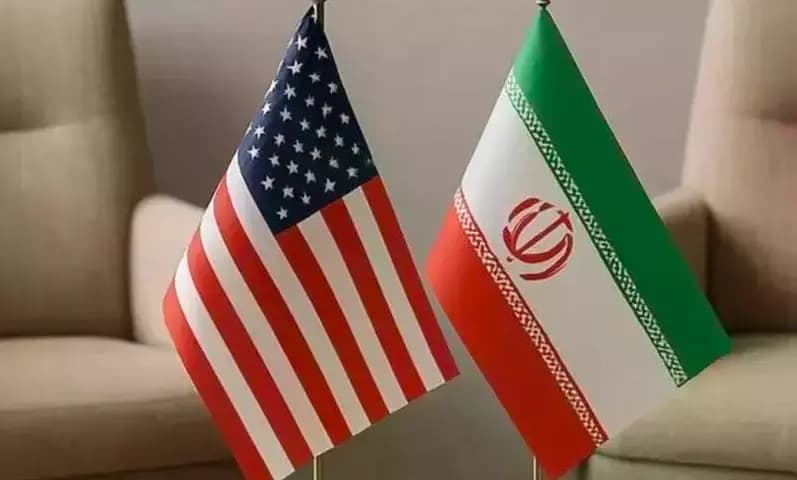
The United States and Iran have signed an interim agreement to end recent military conflict, focusing on reopening the Strait of Hormuz, resuming oil exports, and initiating a 60-day negotiation period to address nuclear program concerns and regional stability.
Highlights
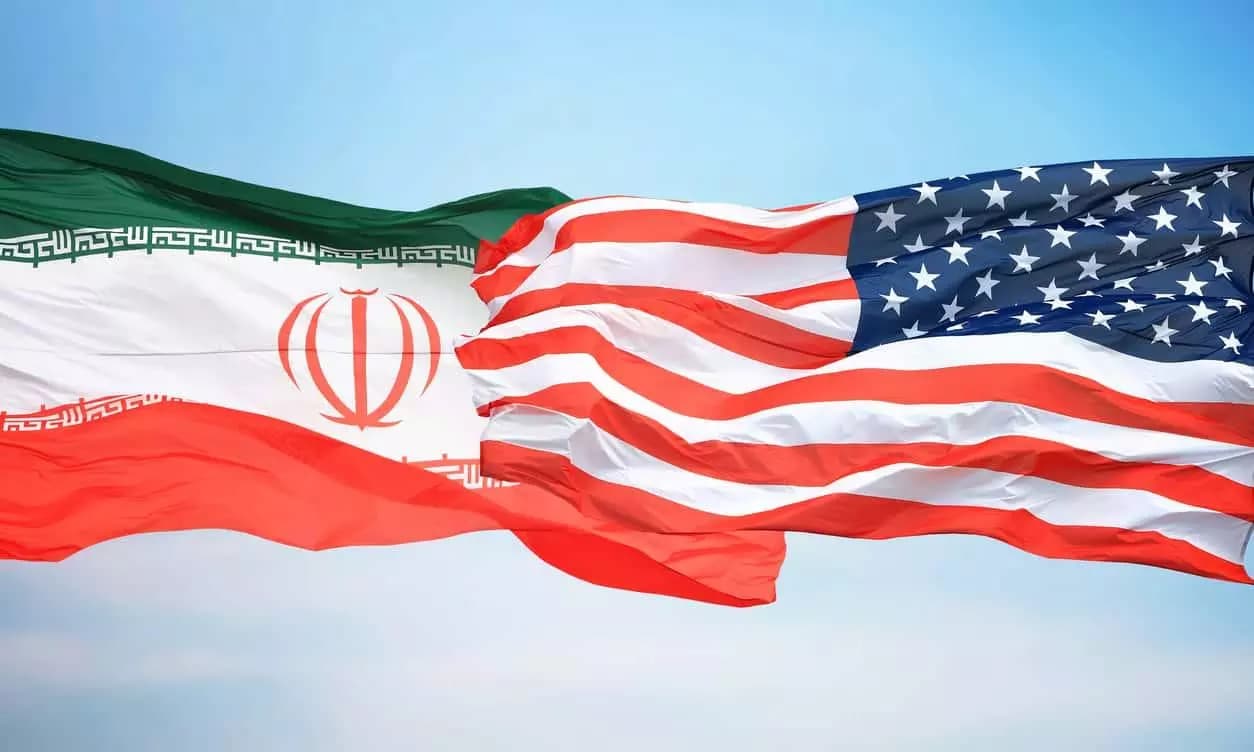
- •The US and Iran have reached an interim agreement to end military hostilities and resume nuclear negotiations.
- •The Strait of Hormuz will reopen for 60 days, allowing Iran to resume oil exports and help reduce global fuel prices.
- •Iran is required to dilute its uranium reserves under International Atomic Energy Agency supervision as part of the deal.
- •Significant regional issues, including Iran's missile arsenal and support for militant proxies, remain unaddressed in current talks.
The United States and Iran have established a significant interim agreement aimed at de-escalating tensions following a period of intense military conflict. This development is expected to restore stability in the region, reopen the critical Strait of Hormuz for global trade, and pave the way for renewed diplomatic discussions regarding Tehran's nuclear ambitions. Both nations are now set to enter a 60-day window of intensive negotiations.
The core objective of this agreement is to reverse the economic and energy crises that have emerged over the last three and a half months, which followed military escalations involving Israel. The conflict had previously left thousands dead and significantly strained the American economy, largely due to rising global energy costs caused by the closure of the Strait of Hormuz.
Economic Impacts and Future Negotiations
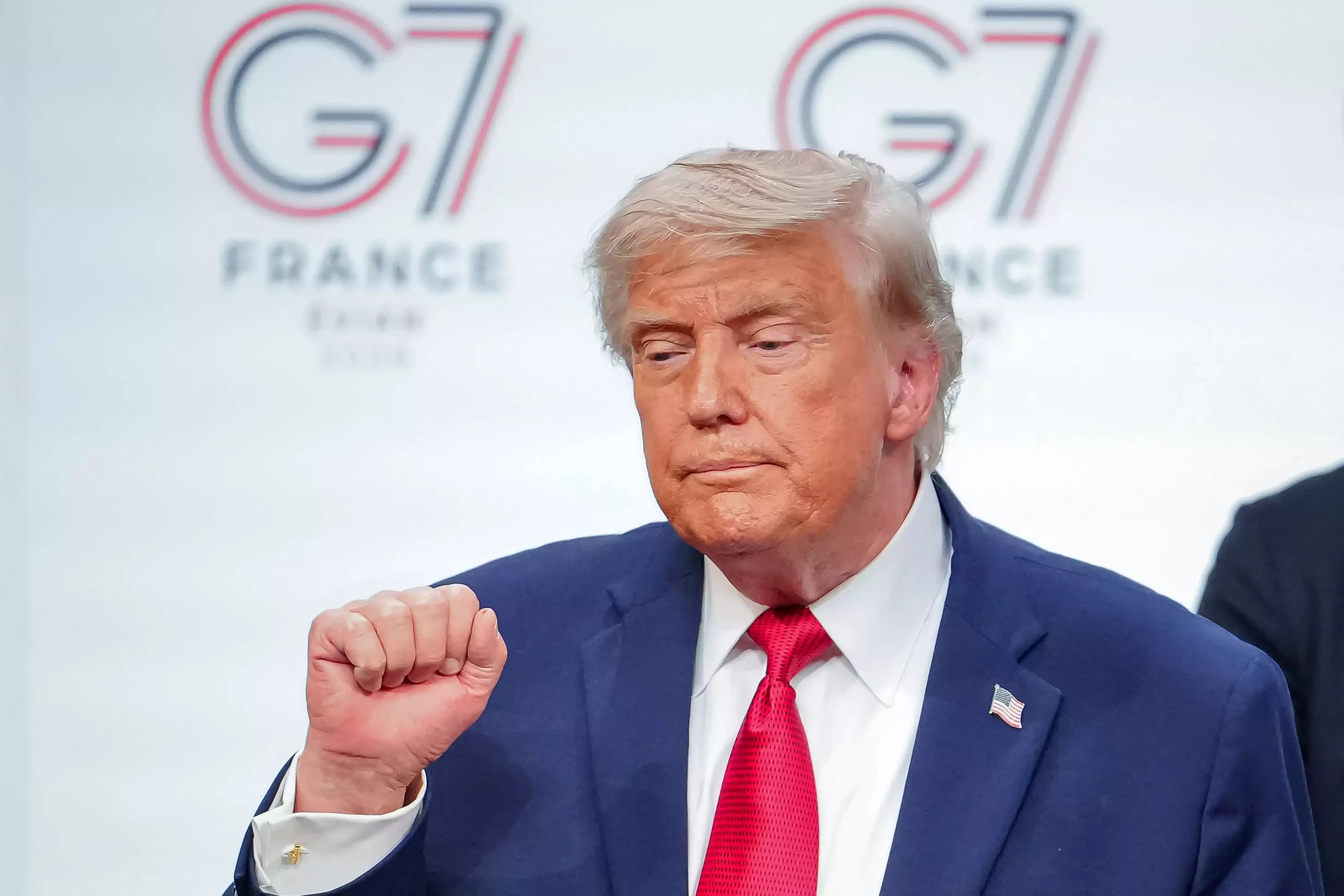
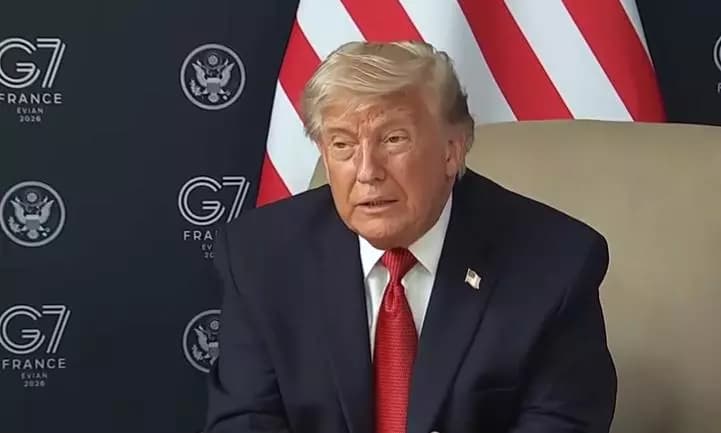
Under the terms of the deal, the blockade on Iranian ports will be lifted, and the Strait of Hormuz will resume operations without tolls for the next two months. This is anticipated to facilitate the free flow of oil, potentially lowering global fuel prices and mitigating inflationary pressures. Additionally, the agreement allows Iran to bypass previous sanctions that had effectively crippled its oil export capabilities, permitting the nation to re-enter the global market and secure much-needed revenue. President Masoud Pezeshkian of Iran and U.S. President Donald Trump have both formalized their commitment to this arrangement.
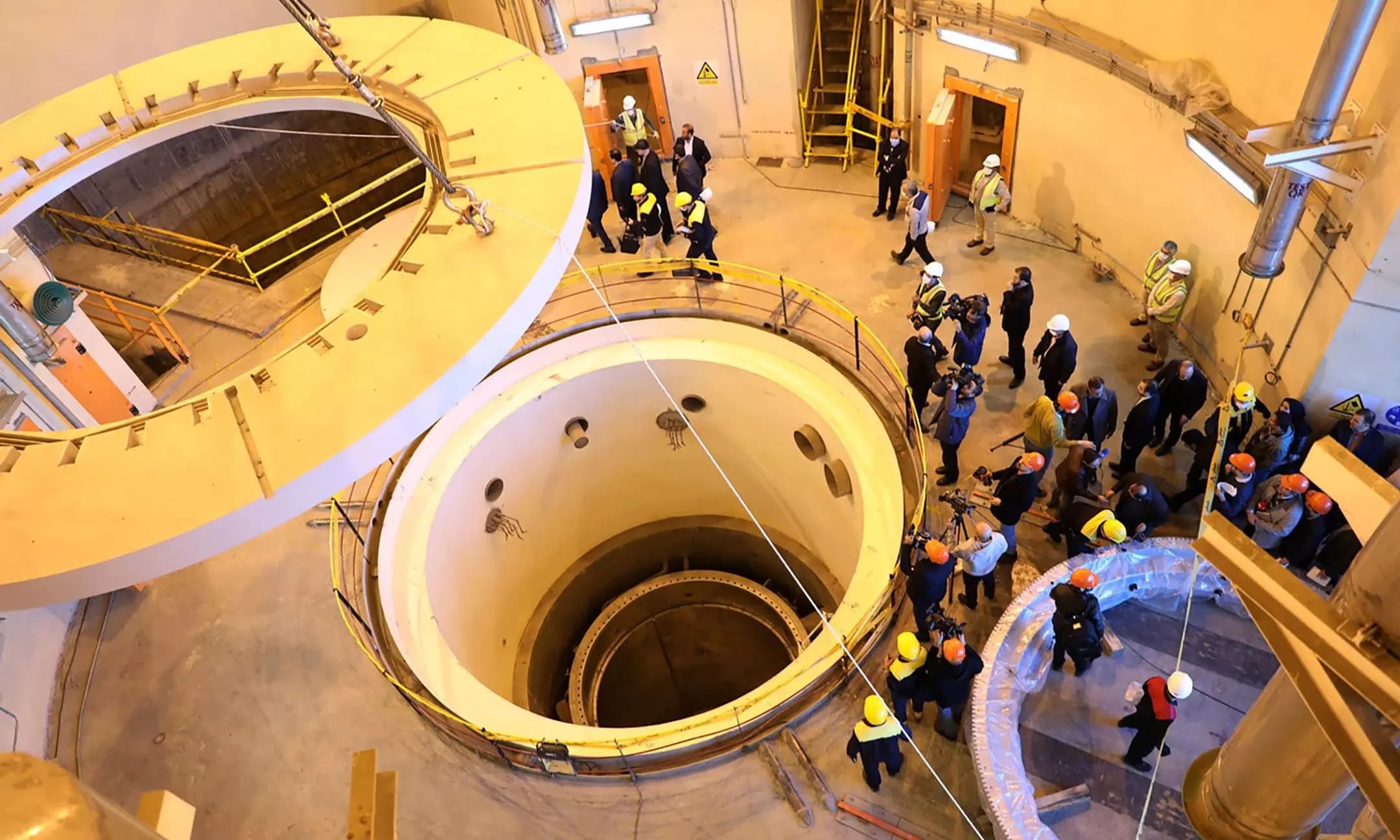
While the interim pact focuses heavily on economic relief and the cessation of immediate hostilities, the long-term status of Tehran's nuclear program remains a point of intense focus. The current draft mandates that Iran must dilute its highly enriched uranium reserves under the oversight of the International Atomic Energy Agency. Furthermore, the framework proposes a substantial $300 billion postwar reconstruction fund, though the source of this capital remains unconfirmed, with the U.S. asserting it will not provide financial contributions.
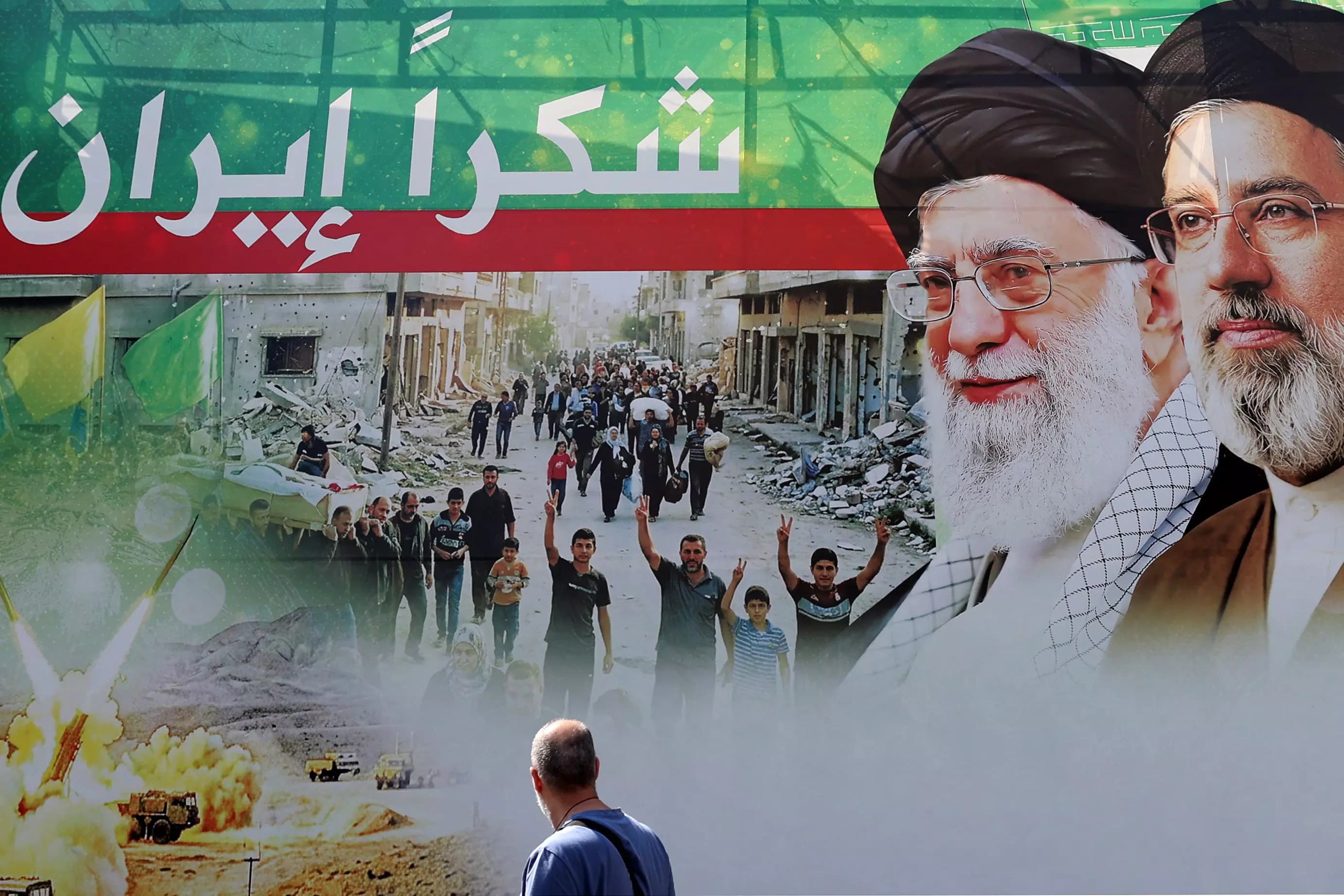
Observers note that significant challenges persist, particularly regarding Iran's ballistic missile program and its continued support for regional allies, such as Hezbollah and the Houthis. These topics do not appear to be part of the current negotiation agenda. Moreover, the lack of direct Israeli participation in these talks has created friction, with Prime Minister Benjamin Netanyahu facing domestic pressure as the regional landscape shifts. The durability of this U.S.-Iran agreement remains contingent on the success of the upcoming diplomatic phase and the ability of both superpowers to influence their regional counterparts effectively.