US-Iran Ceasefire Deal: A Costly Return to the Prewar Status Quo
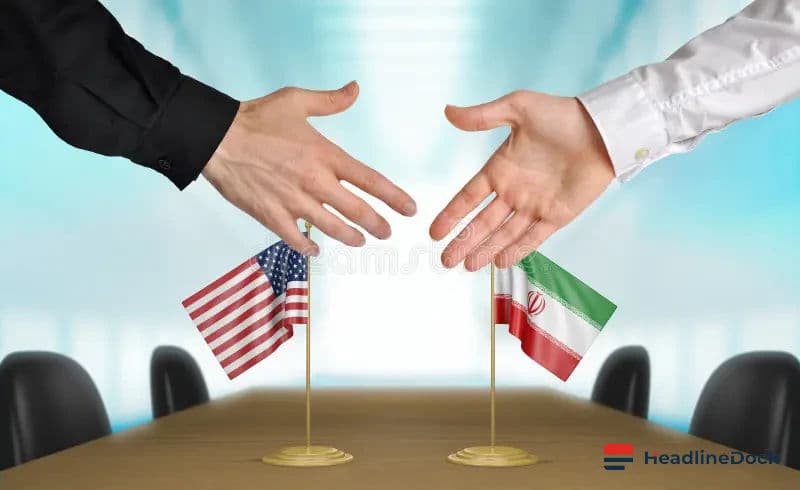
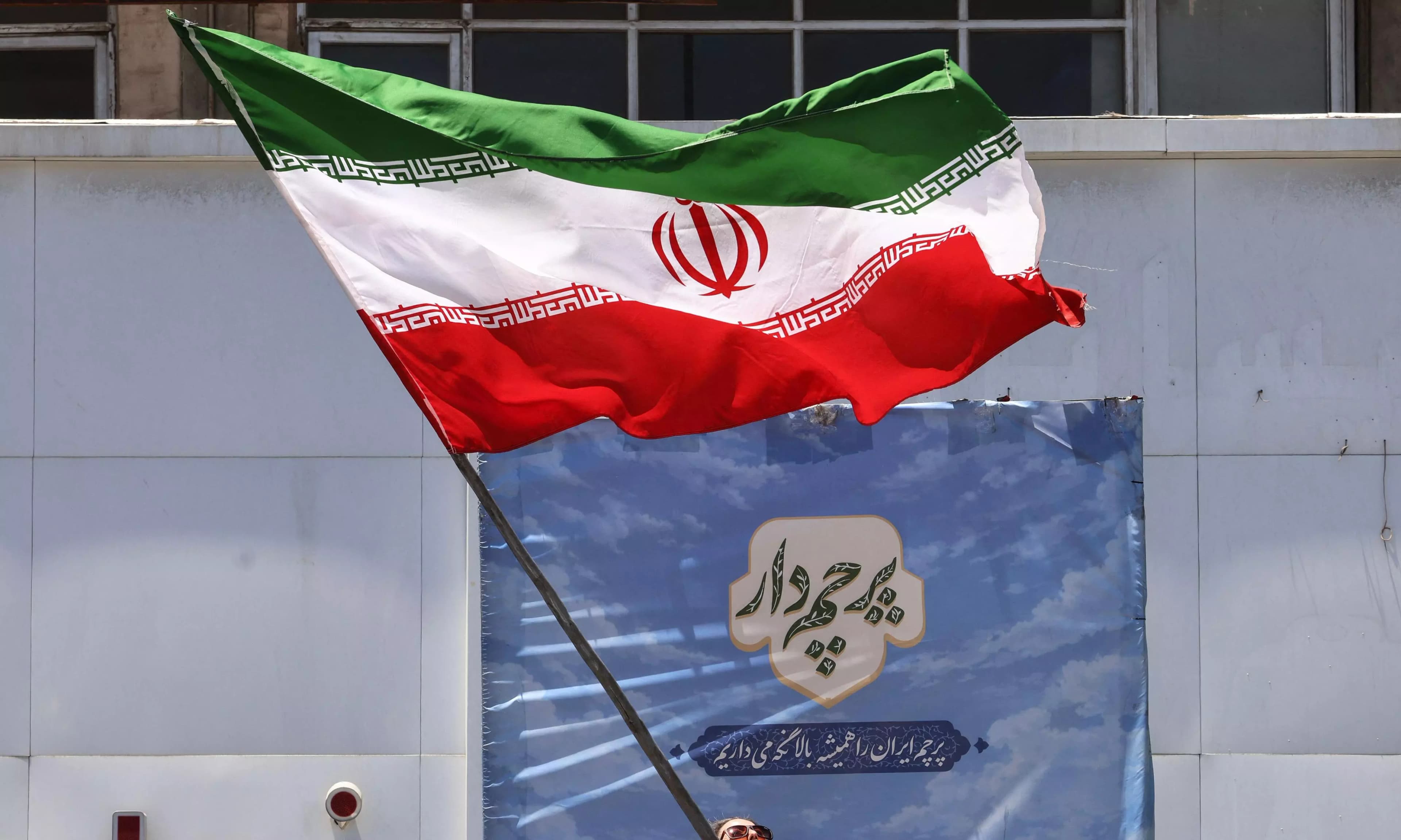
The US and Iran have reached a ceasefire deal to reopen the Strait of Hormuz and halt hostilities. However, the agreement ignores core nuclear issues, deferring them for 60 days, leaving significant questions about the long-term stability and success of the negotiations.
Highlights
- •A US-Iran ceasefire deal will be signed on June 19, 2026, in Switzerland following mediation by Pakistan.
- •The agreement restores transit through the Strait of Hormuz but defers critical nuclear and missile issues for 60 days.
- •Skepticism remains regarding the US commitment due to previous collapses of nuclear agreements and ongoing military strikes.
- •The deal is seen as a return to prewar status quo, leaving core disputes over uranium enrichment unresolved.
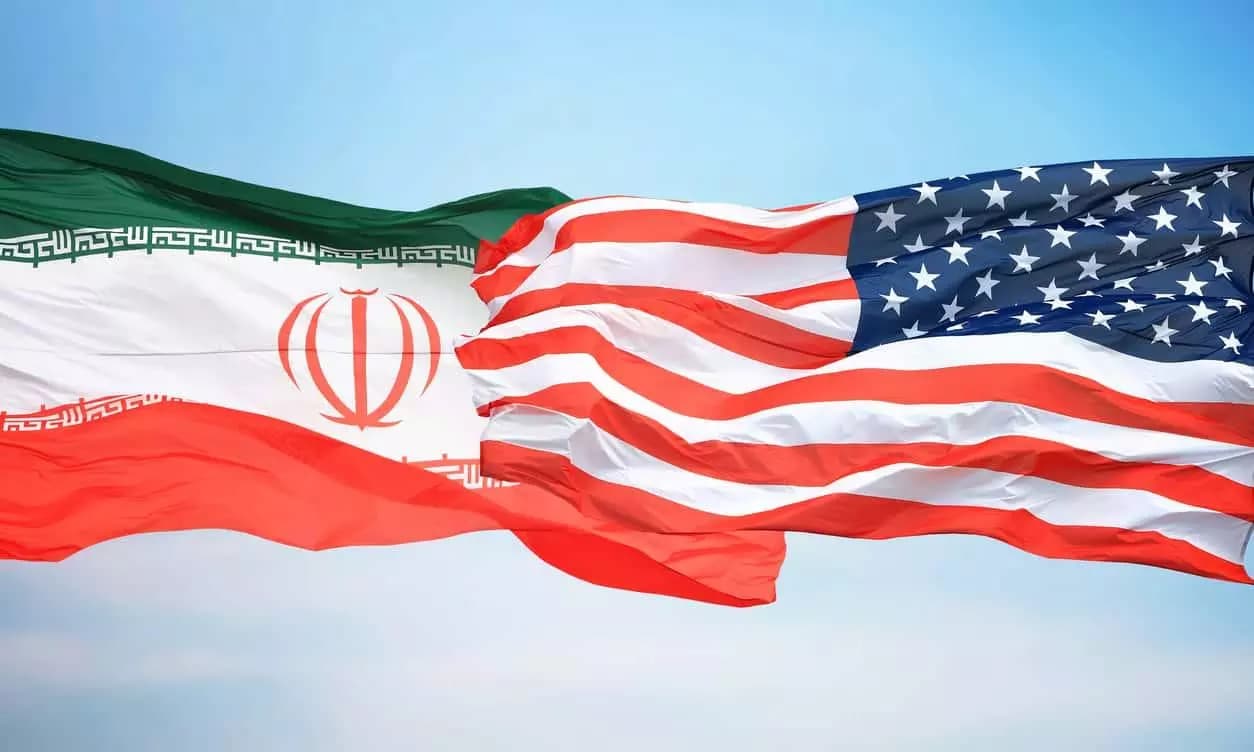
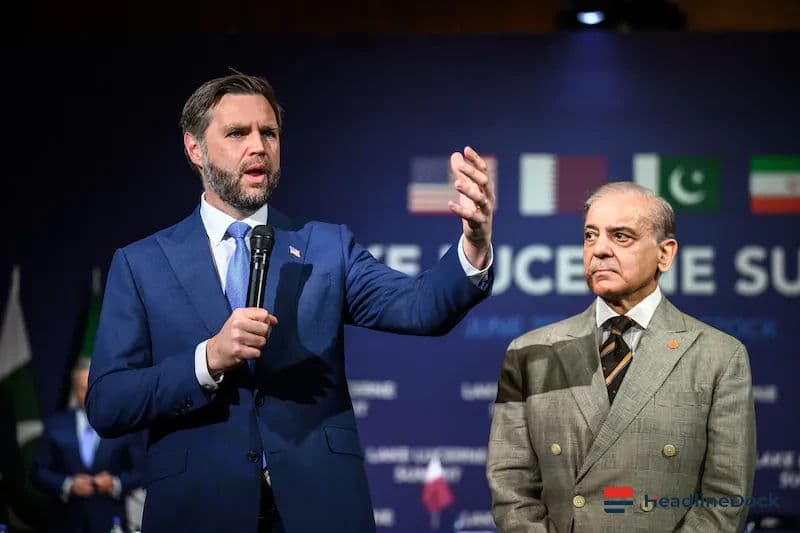
A new US-Iran ceasefire deal has emerged, marking a significant, albeit expensive, return to prewar conditions. Announced by Pakistan Prime Minister Shehbaz Sharif on June 14, 2026, the agreement follows intensive negotiations aimed at halting ongoing hostilities. The official signing of this pact is scheduled for June 19, 2026, in Switzerland, bringing a temporary pause to a volatile period of military engagement.
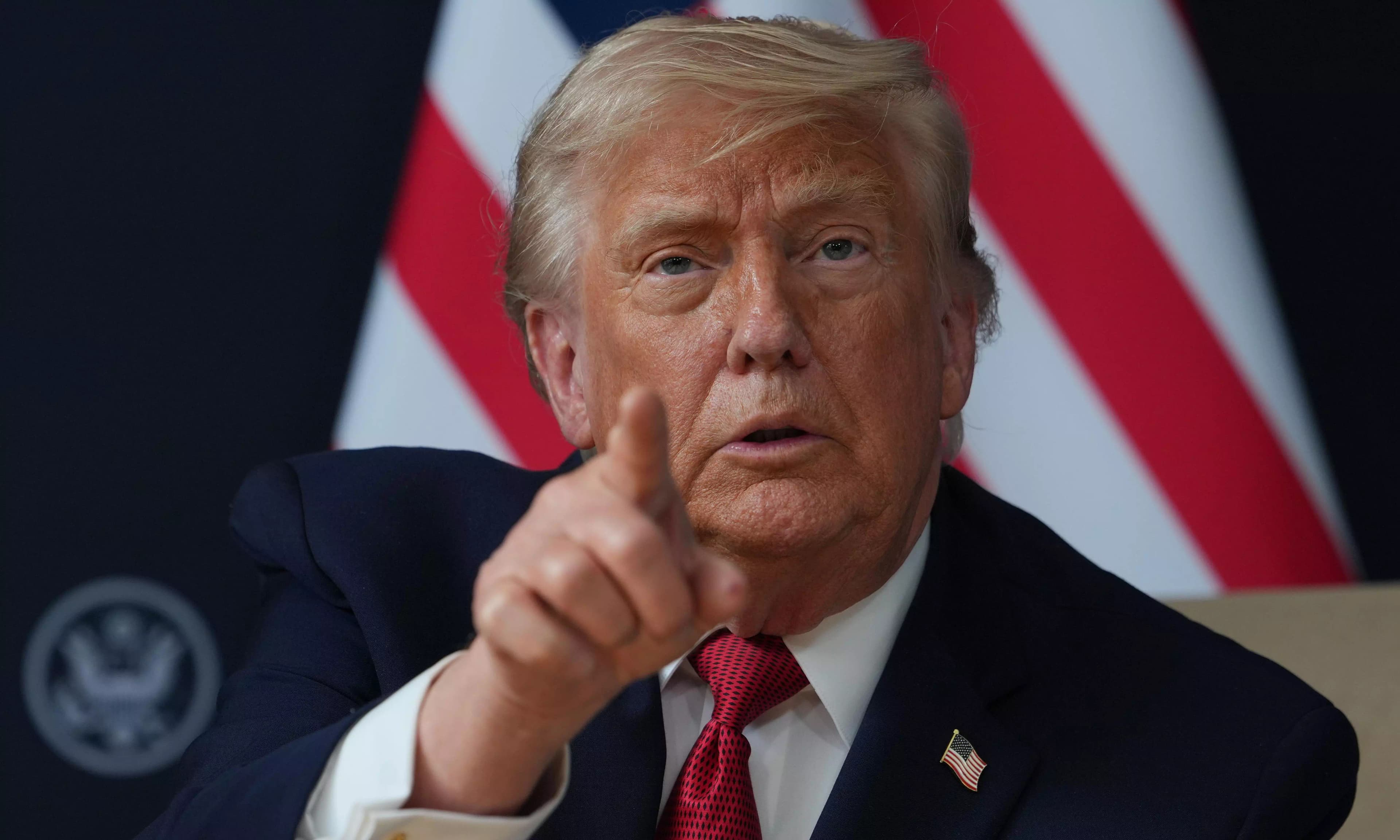
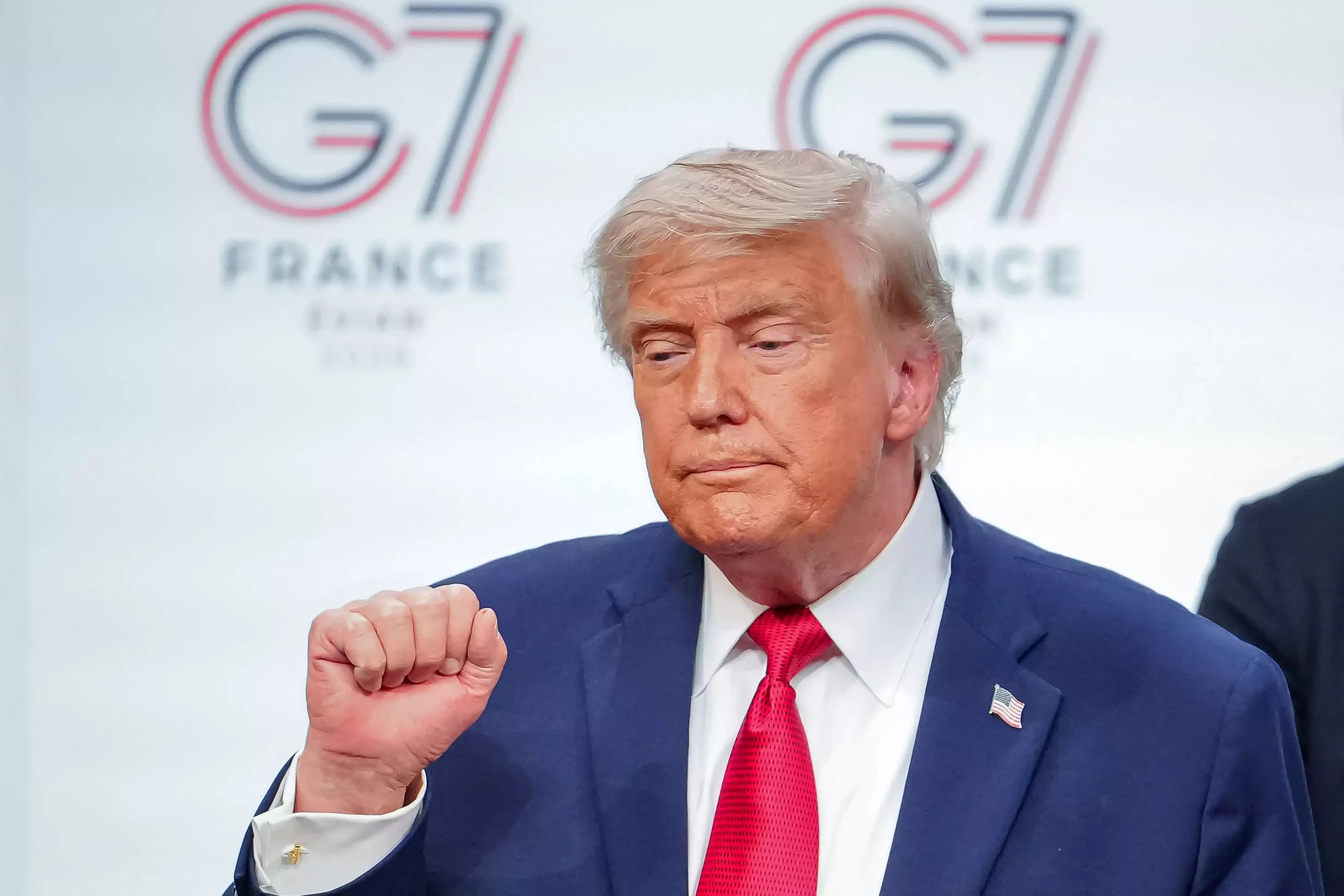
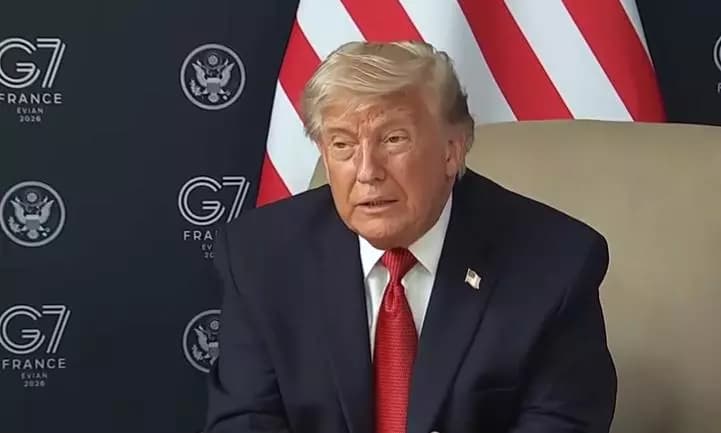
President Donald Trump hailed the arrangement as a major victory, emphasizing that the Strait of Hormuz has been reopened and the United States blockade has been lifted. While the movement of oil has resumed, the accord notably sidesteps critical concerns regarding the Iranian nuclear program, a primary justification for the original conflict. Instead, complex issues including ballistic missiles, regional proxies, and uranium stockpiles have been deferred for a 60-day negotiation period.
The Challenges of the Nuclear Problem
Experts in international security observe that this US-Iran ceasefire deal fails to address the core difficulty of nuclear policy. According to rationalist theories of war, the inability to reach a sustainable commitment often stems from the indivisibility of certain issues. In this case, the fundamental disagreement lies between the United States, which demands a total end to uranium enrichment, and Iran, which maintains that such activity is a sovereign right. Because this specific point of contention cannot be easily compromised, it remains a significant obstacle to long-term stability.
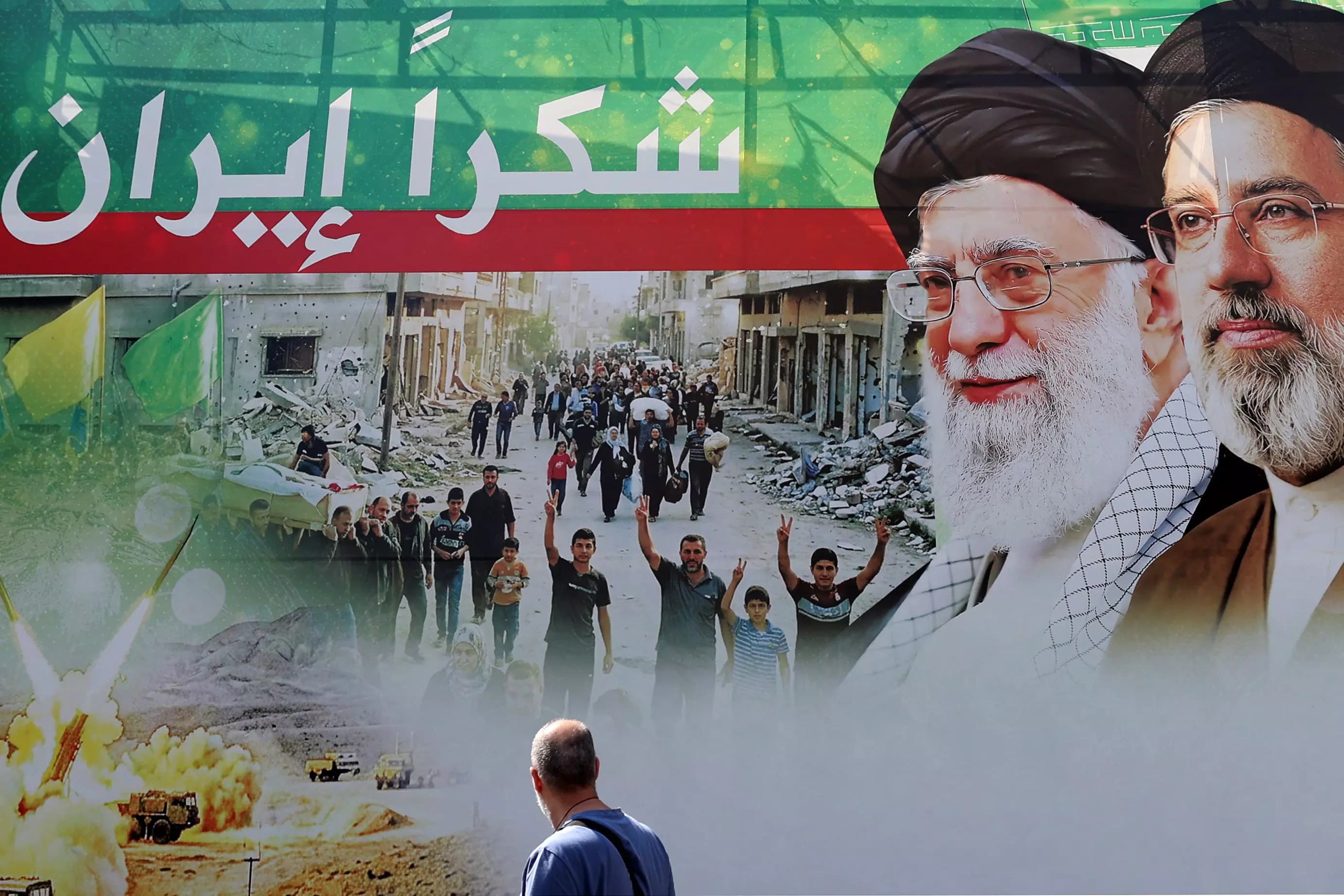
The history of these diplomatic efforts reveals a fragile process. Despite Iran adhering to the 2015 Joint Comprehensive Plan of Action (JCPOA), which limited its enrichment activities, the United States withdrew from the agreement in 2018. Subsequent attempts at negotiation in 2025 and early 2026 were punctuated by military strikes, including the deaths of Supreme Leader Ali Khamenei and lead negotiator Ali Larijani. These events have left Tehran wary of western guarantees, leading to increased demands for concrete sanctions relief before further concessions are made.
Ultimately, the 60-day window functions as a temporary cessation rather than a comprehensive resolution. While the US-Iran ceasefire deal stabilizes the immediate flow of maritime traffic through the Strait of Hormuz, it leaves the central nuclear questions unresolved. The future of this agreement remains uncertain, as the risk of further regional escalations—such as recent strikes in Beirut—continues to threaten the delicate balance achieved by the pause. Whether the parties can move past this stalemate or return to heightened tensions remains to be seen, as both sides grapple with the realities of an unfinished conflict.