US-Iran Deal Leaves Lebanon Future Uncertain Amid Israeli Defiance
A new US-Iran ceasefire agreement seeks regional stability, but its effectiveness in Lebanon is challenged by Israel’s defiance. With ongoing military actions and political friction, Lebanon’s sovereignty remains at risk as international stakeholders navigate a complex and volatile diplomatic landscape.

Highlights
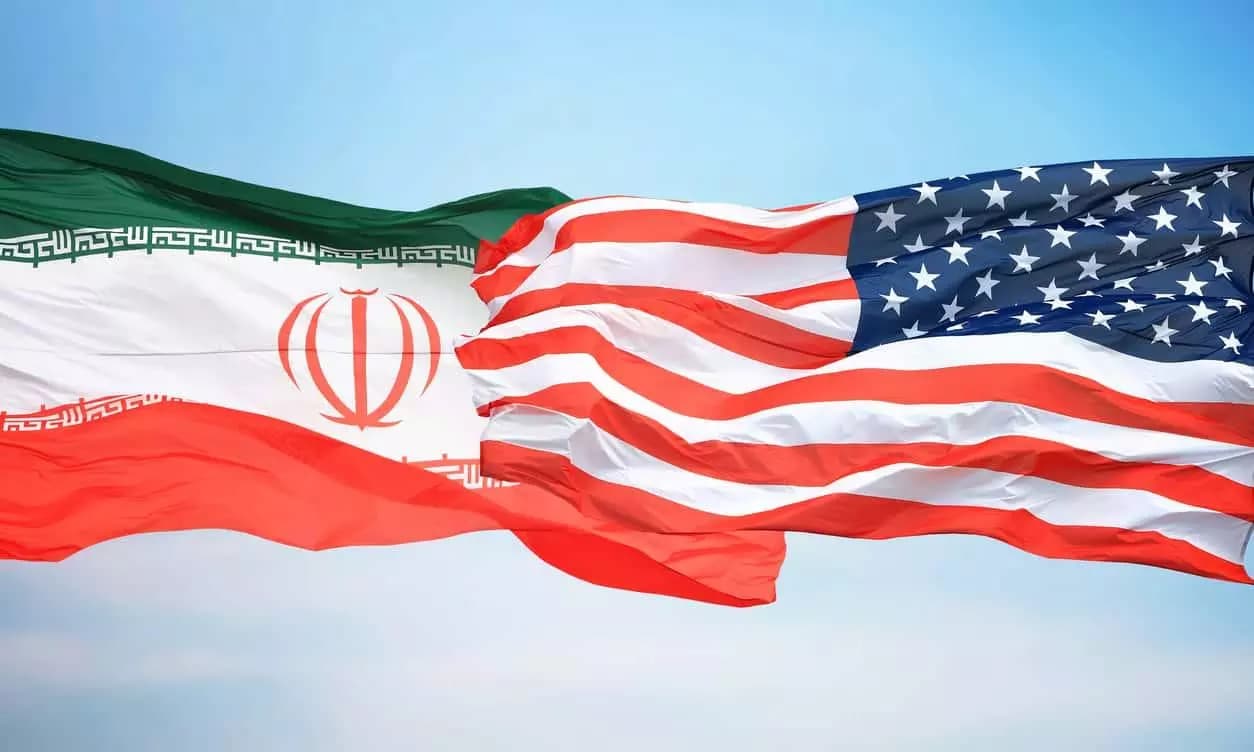
- •The US and Iran finalized a provisional ceasefire agreement on June 17, 2026, intended to stabilize the region.
- •Israel has openly defied the US-backed deal by announcing an indefinite occupation of parts of Lebanon.
- •President Trump and Prime Minister Netanyahu are currently experiencing a significant diplomatic deadlock over Lebanese operations.
- •The future of Lebanese sovereignty remains uncertain as the nation faces pressure from Iran, Israel, and potential Syrian involvement.
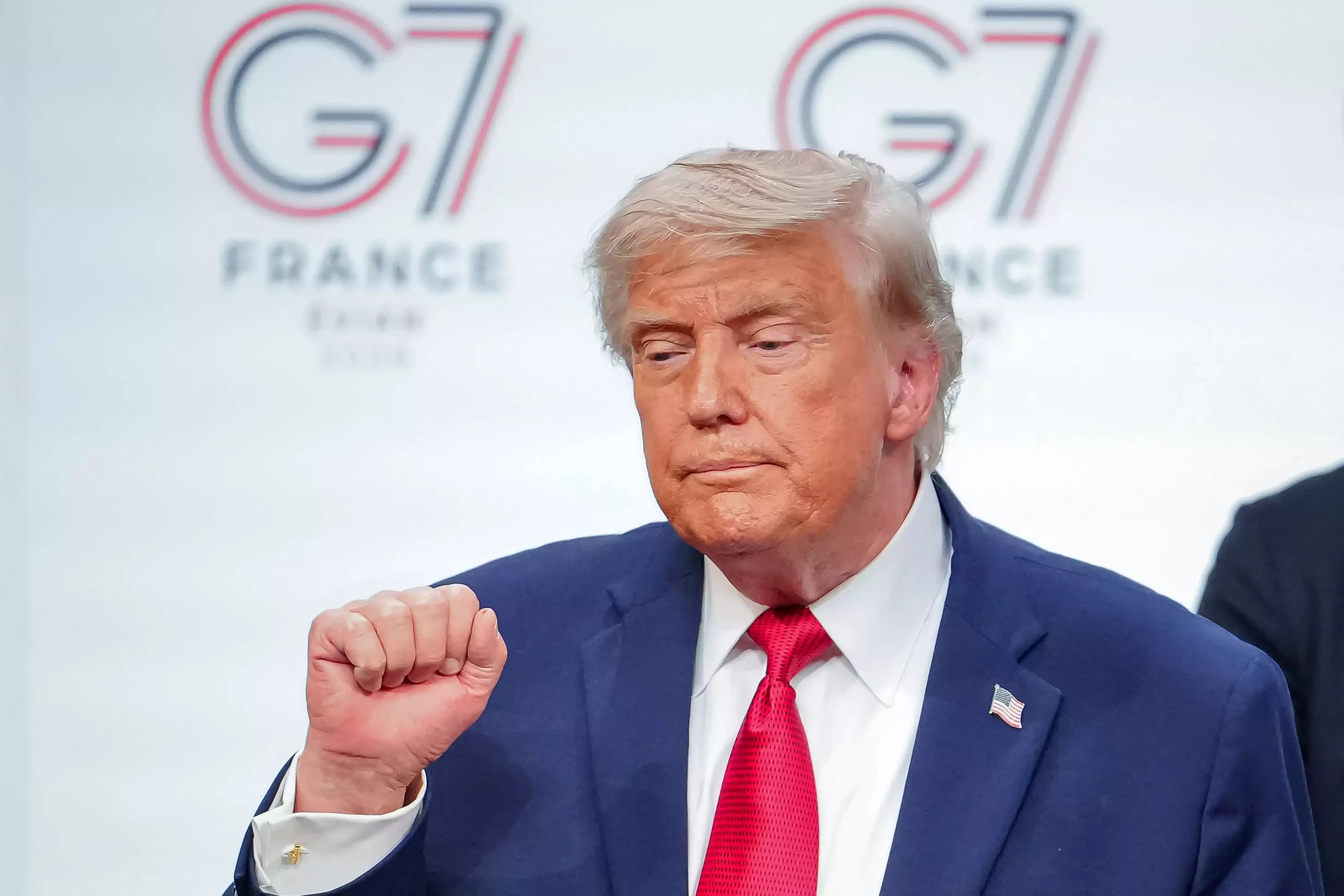
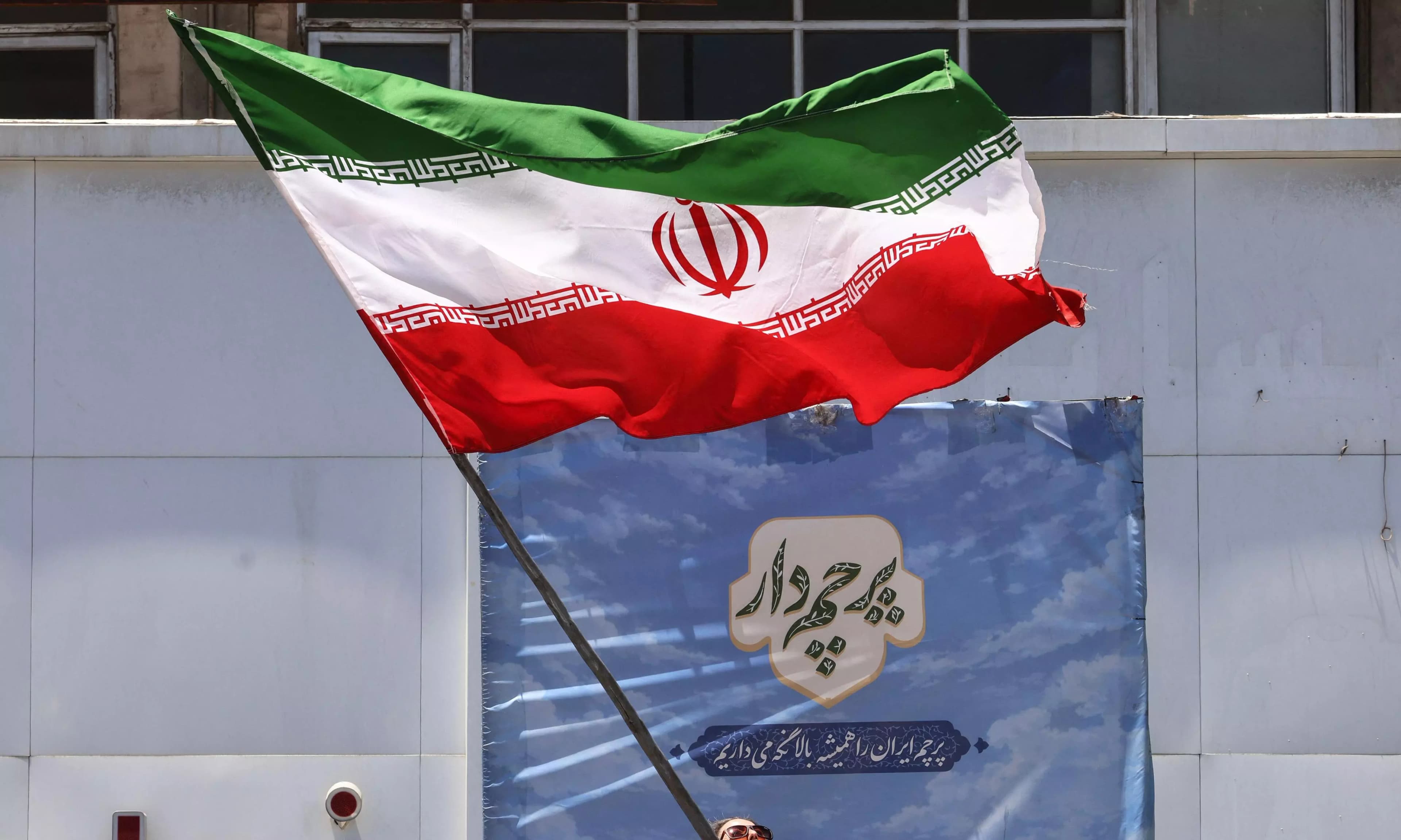
The United States and Iran officially finalized a provisional ceasefire agreement on June 17, 2026, marking a significant development in regional diplomacy. While this accord aims to stabilize the Gulf and reopen the Strait of Hormuz, the situation regarding the US-Iran deal and its impact on Lebanon remains increasingly fragile and uncertain.
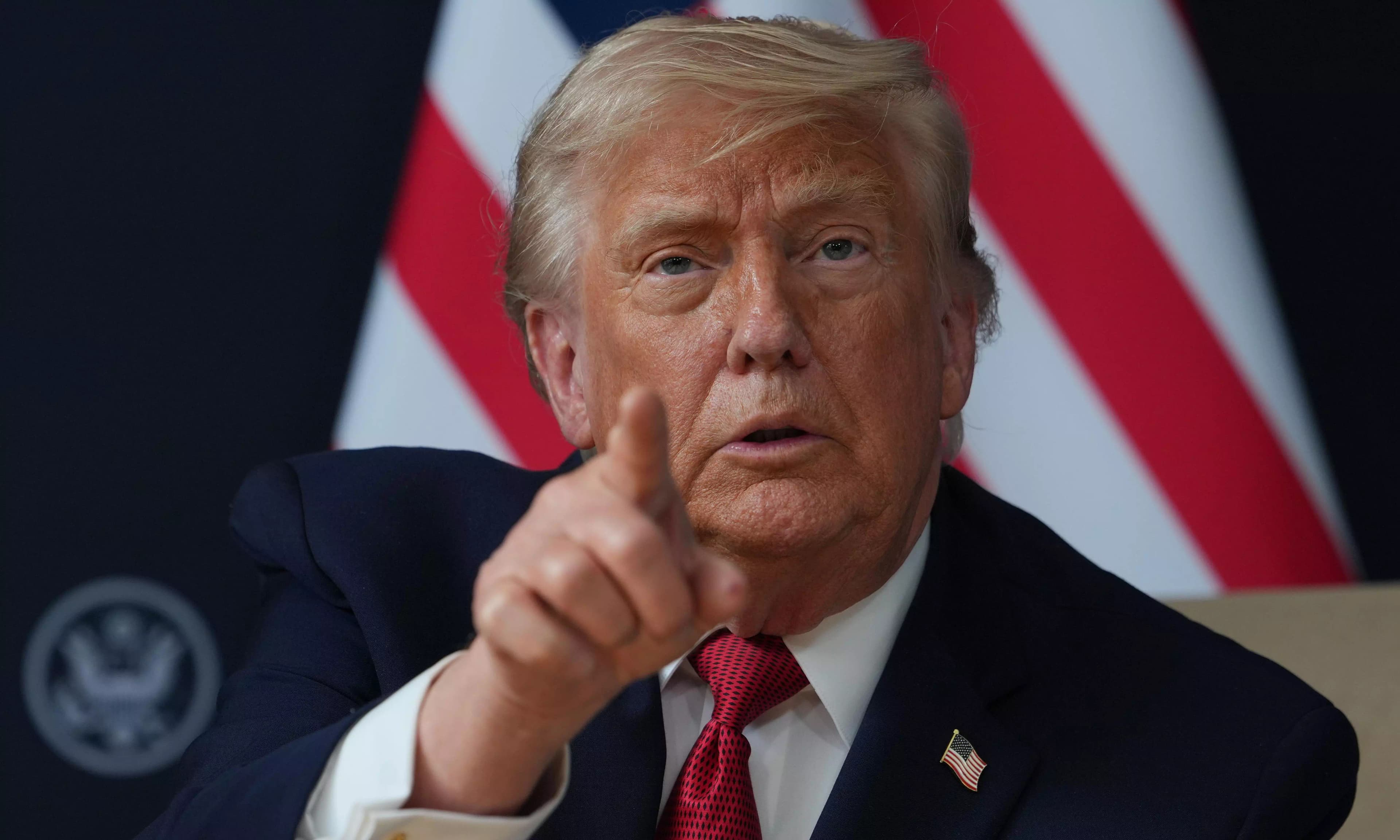
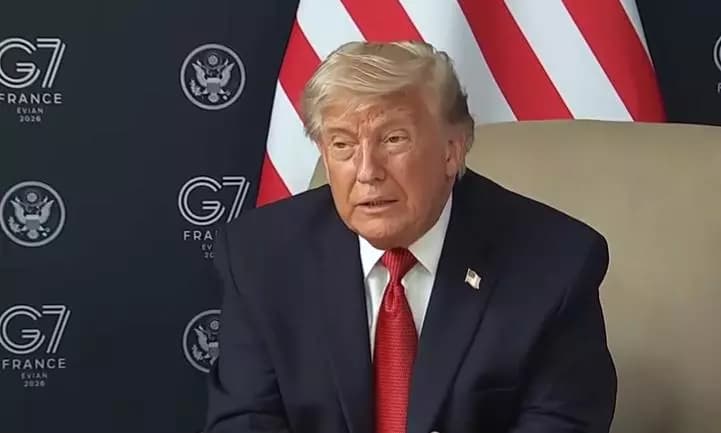
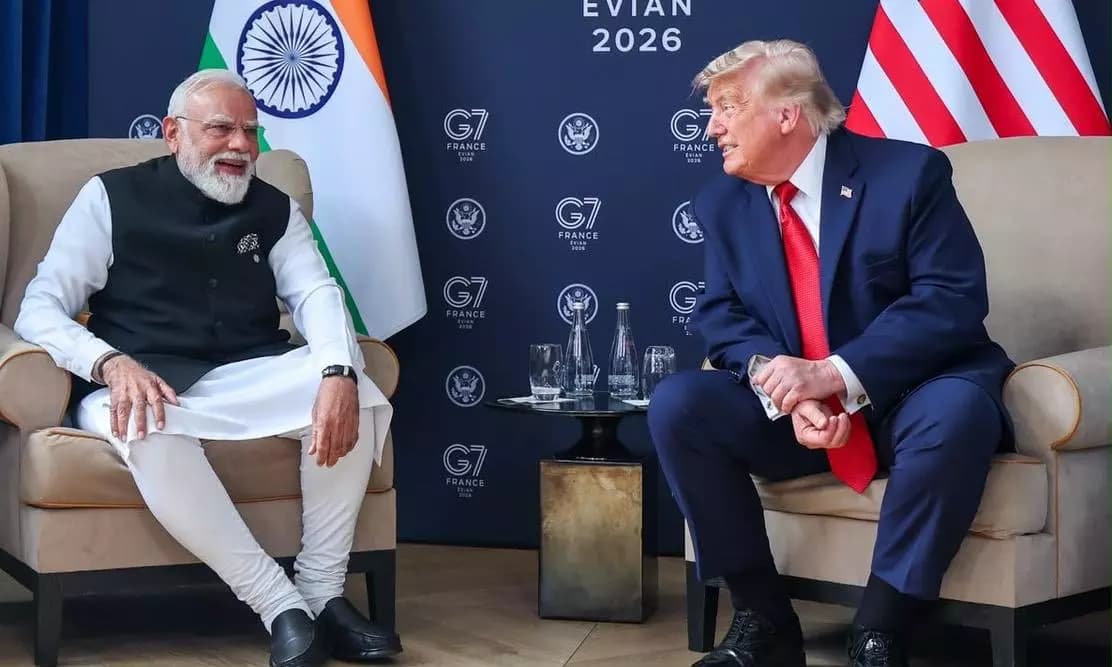
The agreement was designed to halt hostilities across multiple fronts, including Lebanon, per Tehran's specific request. Although President Donald Trump has presented the memorandum as a successful conclusion to Washington’s regional entanglement, complications have arisen from Israel's reaction. Israeli Prime Minister Benjamin Netanyahu, who was reportedly excluded from the diplomatic negotiations, has signaled an intent to challenge the regional status quo.
Geopolitical Tensions and the Future of Lebanon
Following the announcement of the US-Iran deal, Netanyahu declared that Israel intends to maintain an indefinite occupation in parts of Lebanon. This announcement was swiftly accompanied by military strikes, which resulted in four deaths. These actions have drawn criticism from President Trump, highlighting a clear policy rift between Washington and Tel Aviv. The discord creates a challenging environment, as Lebanon remains caught between the strategic goals of its neighbors.
Historical parallels are frequently cited to understand the current instability. In 1982, Israel launched Operation Peace for Galilee, which led to a prolonged siege and significant civilian casualties. At that time, U.S. President Ronald Reagan unsuccessfully attempted to de-escalate the conflict, eventually deploying a multinational peacekeeping force. Observers note striking similarities in today’s landscape, particularly the continued reliance on U.S.-supplied weaponry despite political disagreements between the two nations.
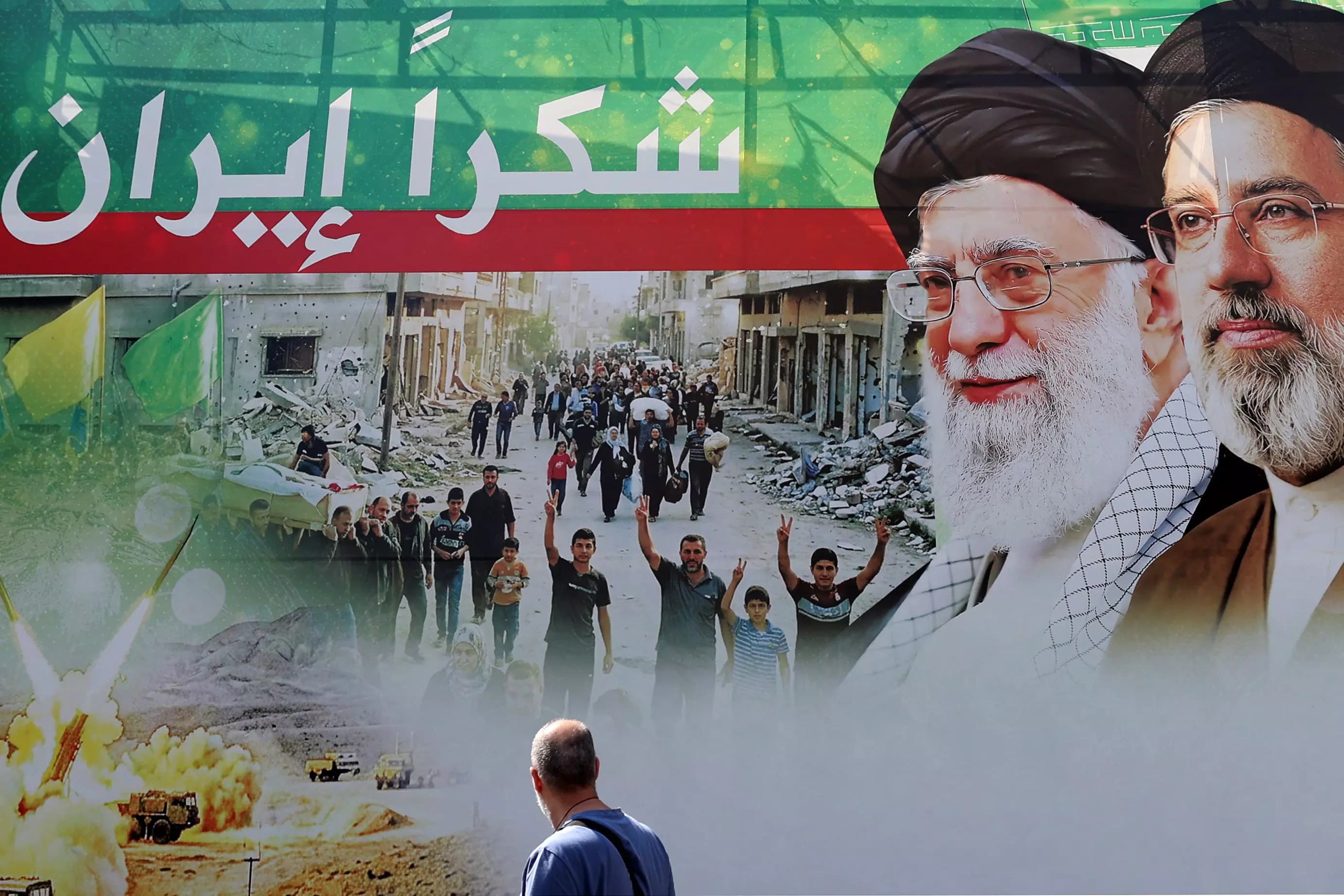
The current US-Iran deal explicitly includes provisions for Lebanon to maintain its territorial integrity, yet it lacks specific mandates for an Israeli withdrawal from southern regions. Furthermore, the Lebanese government faces internal pressure, having recently filed a formal complaint at the United Nations Security Council against Iran for interfering in its sovereign decisions through its support of Hezbollah. As direct negotiations between Lebanon and Israel continue in Washington, the nation's future remains deeply precarious. The potential for further destabilization increases if Syria is brought into the fold to address Hezbollah’s presence, a prospect that brings back memories of Syria's long-standing historical influence over Lebanese politics. As the situation evolves, the effectiveness of the current ceasefire relies heavily on the willingness of regional actors to move beyond military objectives.