The Ripple Effect: How Global Geopolitics Increases Your Cost of Living
Geopolitical tensions often trigger supply chain shocks and inflation, directly increasing the cost of daily essentials. To maintain financial stability, households should move away from idle savings, focus on interest-generating financial tools, and prioritize building an emergency fund to mitigate the impact of rising prices.
Highlights
- •Geopolitical instability directly leads to higher consumer prices due to energy supply chain shocks.
- •Inflation remains a primary risk, as stagnant cash loses purchasing power during conflicts.
- •Financial resilience involves avoiding idle savings and utilizing interest-bearing accounts or emergency funds.
- •Economic volatility is global, meaning international events have direct consequences on daily household budgets.
Global geopolitical tensions are increasingly shaping the cost of essential goods, impacting everything from the price of milk to the expense of fuel. Recognizing how these international conflicts influence daily household budgets is an essential step toward protecting your personal savings and maintaining long-term financial stability.
While reports on geopolitical instability often focus on diplomacy or strategic military maneuvers, these events trigger a significant economic ripple effect. This phenomenon frequently results in a noticeable increase in the prices of consumer goods, directly affecting the average person's wallet. It is no longer just about politics; these shifts represent changes in the fundamental value of money.
The Silent Threat: Erosion of Purchasing Power
During times of international strife, the primary risk to households is not necessarily volatility in financial markets or the fluctuations in the price of gold, but rather the threat of inflation. If you keep your cash stagnant—without it earning any interest—your purchasing power diminishes as the cost of living rises. Essentially, the same amount of money will buy fewer items next month than it can today.
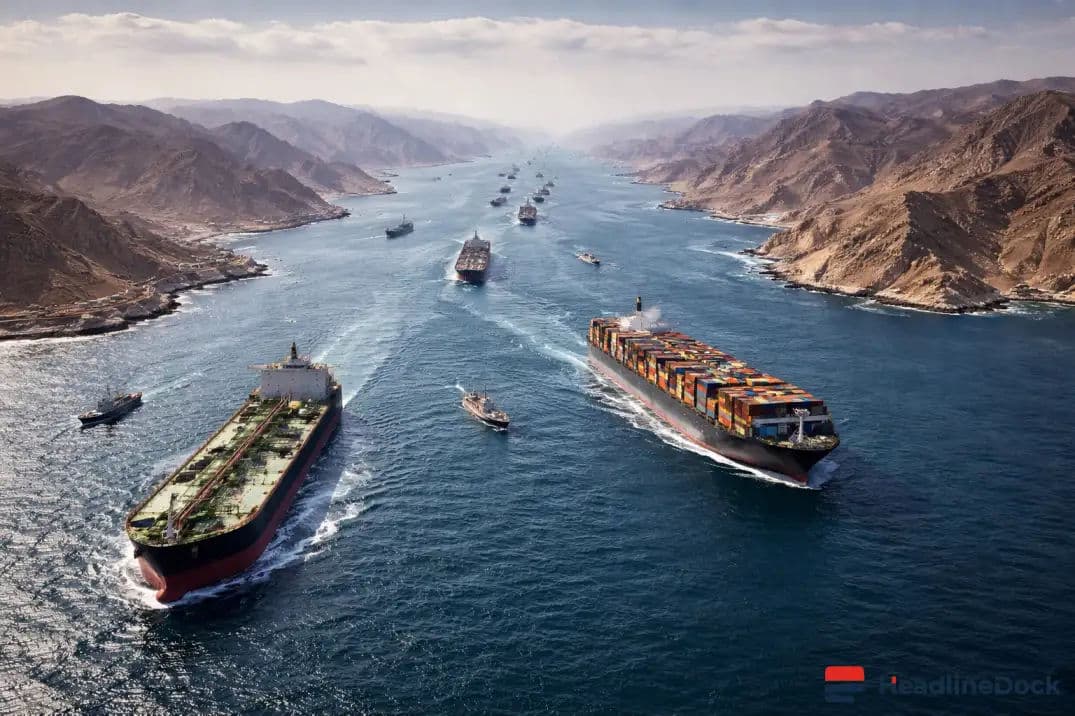
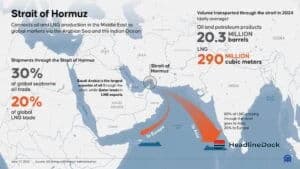
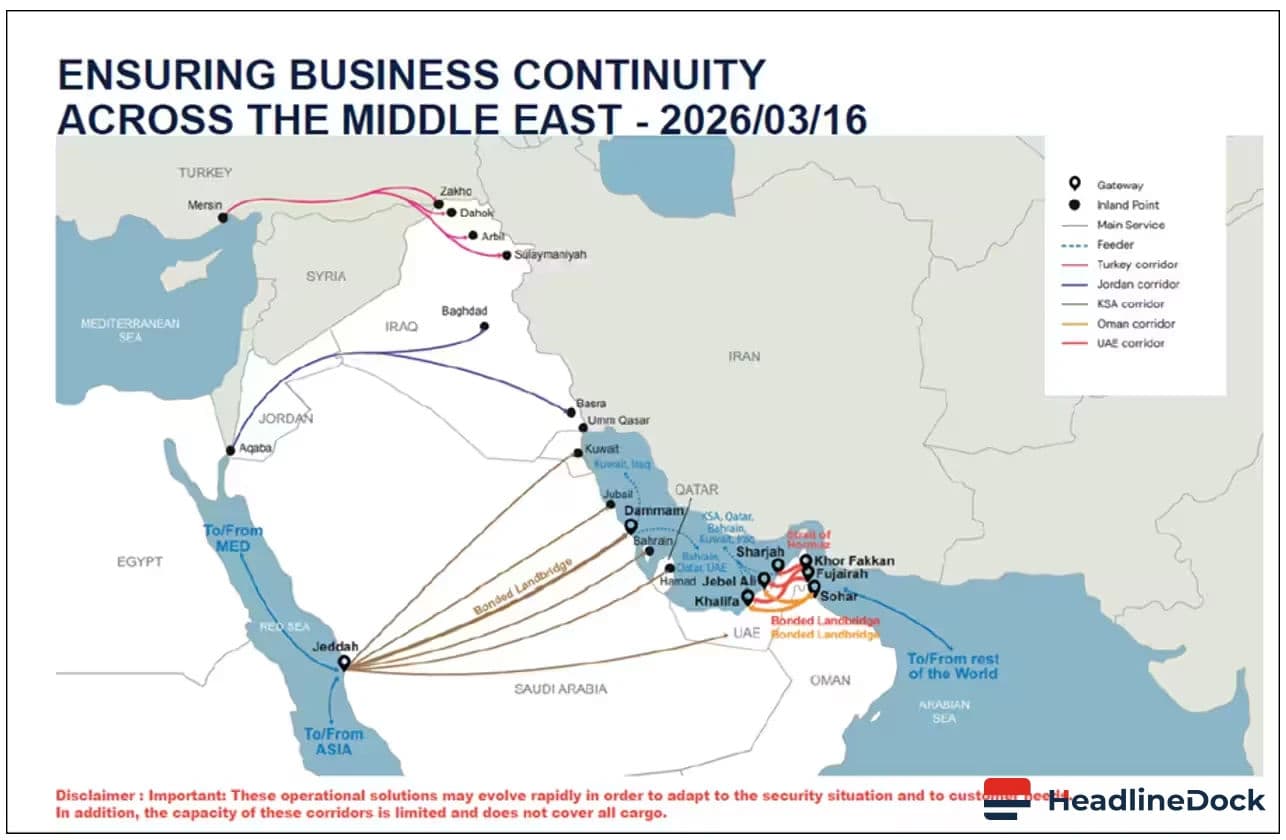
The geopolitical landscape serves as a major driver for this economic pressure. For instance, the ongoing tensions surrounding the United States, Israel, and Iran have caused significant anxiety in global energy markets. Because much of the world's oil and gas production is concentrated in the Middle East, and because crucial shipping lanes like the Strait of Hormuz are vital for global transport, any sign of instability leads to immediate price spikes.
Energy Costs and the Chain Reaction
Since almost every product in a modern economy requires energy for production and logistics, a rise in fuel prices creates an unavoidable supply chain shock. When the cost of oil increases, transporting goods by ship, truck, or plane becomes substantially more expensive. Consequently, these added costs are passed on to consumers at the checkout counter, driving up the prices of food, clothing, and technology.
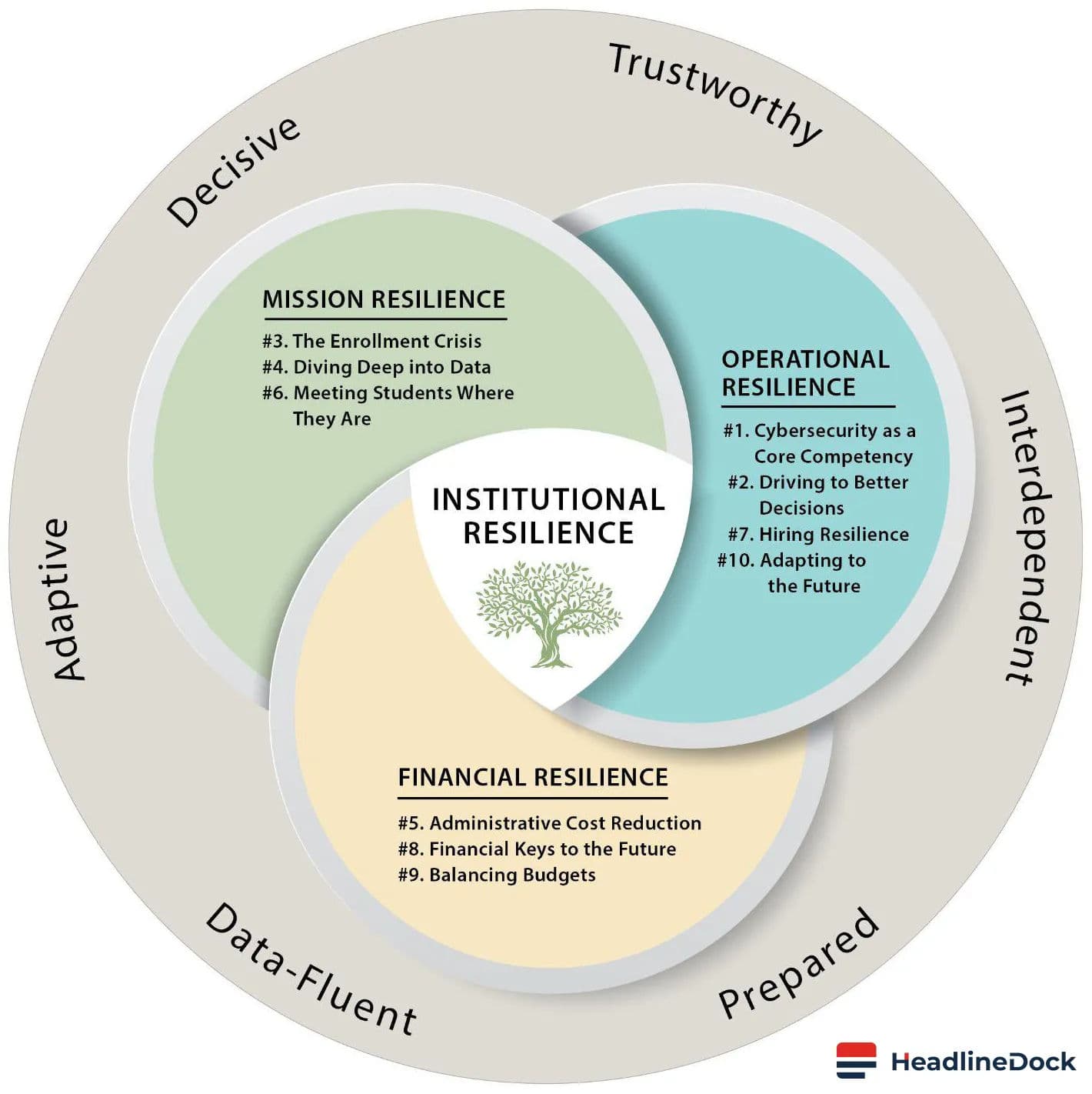
To bolster your financial resilience against these external economic shocks, it is vital to move beyond traditional, passive saving methods. Instead of keeping money idle, experts suggest focusing on options that help capital retain its real value, such as high-yield savings accounts, fixed-term bank deposits, or sovereign debt instruments. Additionally, building a dedicated emergency fund can protect households from needing high-interest loans when the price of basic necessities surges.
Ultimately, in an interconnected global economy, geopolitical peace is not merely a diplomatic goal but the foundation of economic security. By staying informed and practicing disciplined financial planning, households can better navigate the complexities of global market fluctuations.