Why Institutional Resilience Is Key to Surviving Persistent Global Uncertainty
Global uncertainty is now the defining condition of our era, complicating traditional economic forecasting. Evidence shows that investing in strong, inclusive institutions provides the best long-term insurance against crises, as demonstrated by the strategic resilience seen in countries like Denmark and Spain.
Highlights
- •Global uncertainty has become a permanent feature of the modern economic landscape, rather than a temporary disruption.
- •Financial markets are increasingly decoupling from real-world economic conditions by discounting geopolitical and systemic risks.
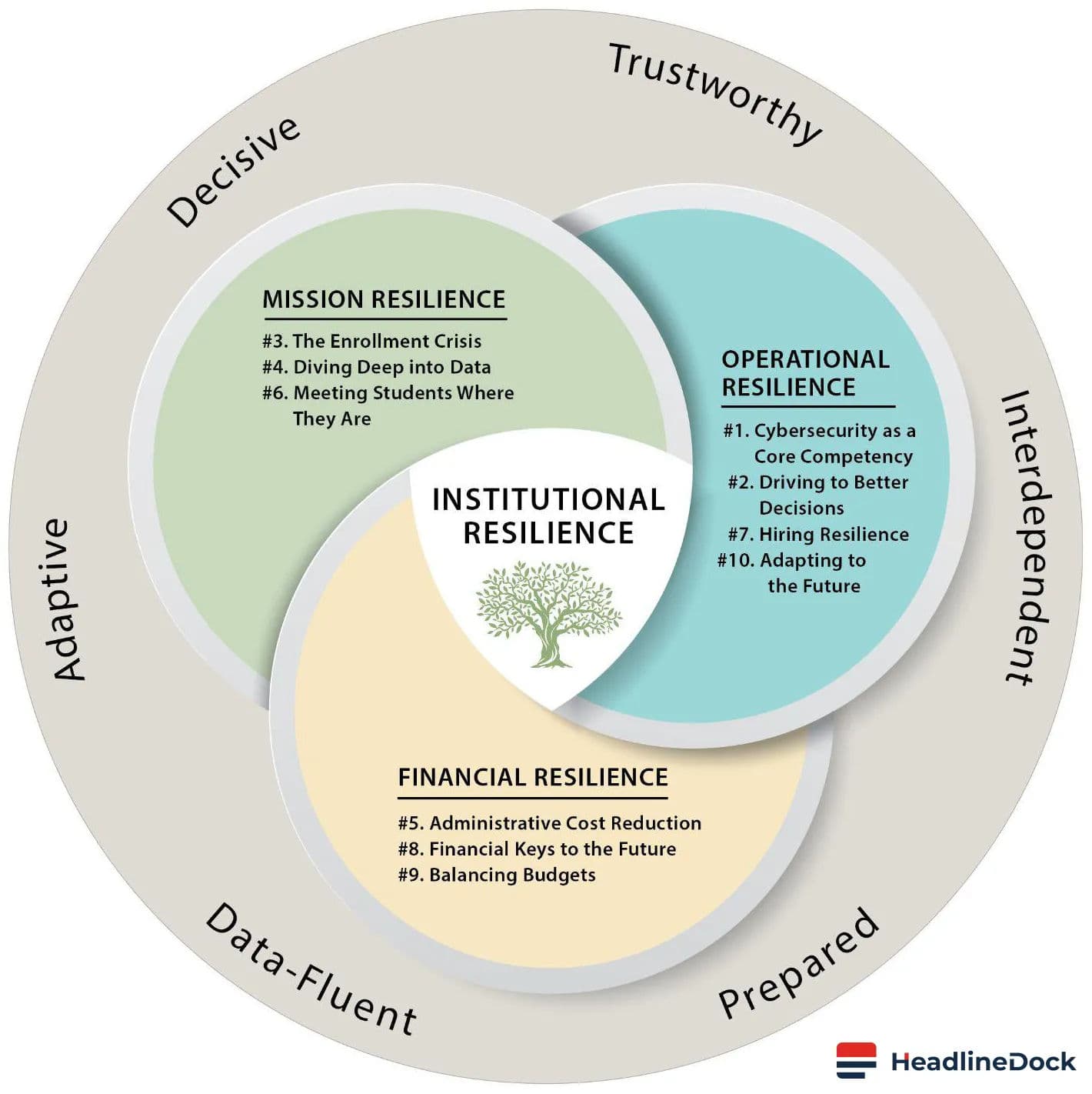
- •Institutional resilience, characterized by foresight and cross-party consensus, is more effective than emergency financial interventions.
- •Maintaining the independence and legitimacy of public institutions is critical for long-term economic stability and growth.
In our modern interconnected world, global uncertainty has evolved from a temporary challenge into a defining permanent condition. From central bankers and political leaders to academic theorists, policymakers are increasingly struggling to navigate a landscape shaped by erratic outcomes and unforeseen crises. The IMF’s World Uncertainty Index highlights this trend, consistently recording elevated levels of instability across 143 countries over the past decade.
The primary danger in such an era is the temptation toward fatalism. When events appear beyond control, the impulse to abandon long-term planning for short-term fixes or speculative profiteering becomes dangerous. For instance, the US stock market has shown signs of detachment from real-world economic indicators, driven by massive investments in artificial intelligence firms like OpenAI, Anthropic, and SpaceX. Such high-stakes valuations often ignore the underlying geopolitical and financial fragilities, creating a cycle where real risks are systematically discounted.
Differentiating Risk from Global Uncertainty
To address these challenges, it is crucial to distinguish between traditional risk and fundamental global uncertainty. Risk, in an economic sense, applies to situations where outcomes are unknown but the probabilities can be measured—a concept foundational to the insurance industry. Conversely, global uncertainty, as theorized by Frank Knight in 1921, describes scenarios where the odds themselves are impossible to calculate. Events such as pandemics, major supply-chain disruptions, and climate-driven crises represent shocks that defy conventional forecasting models.
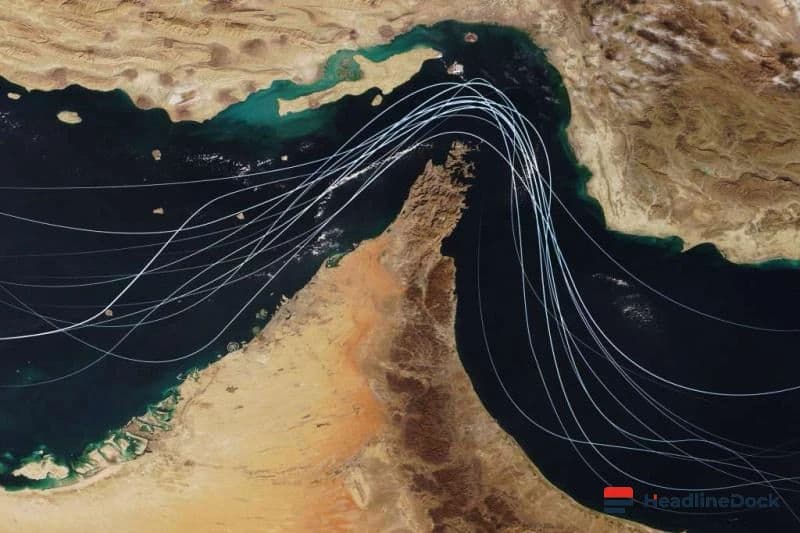
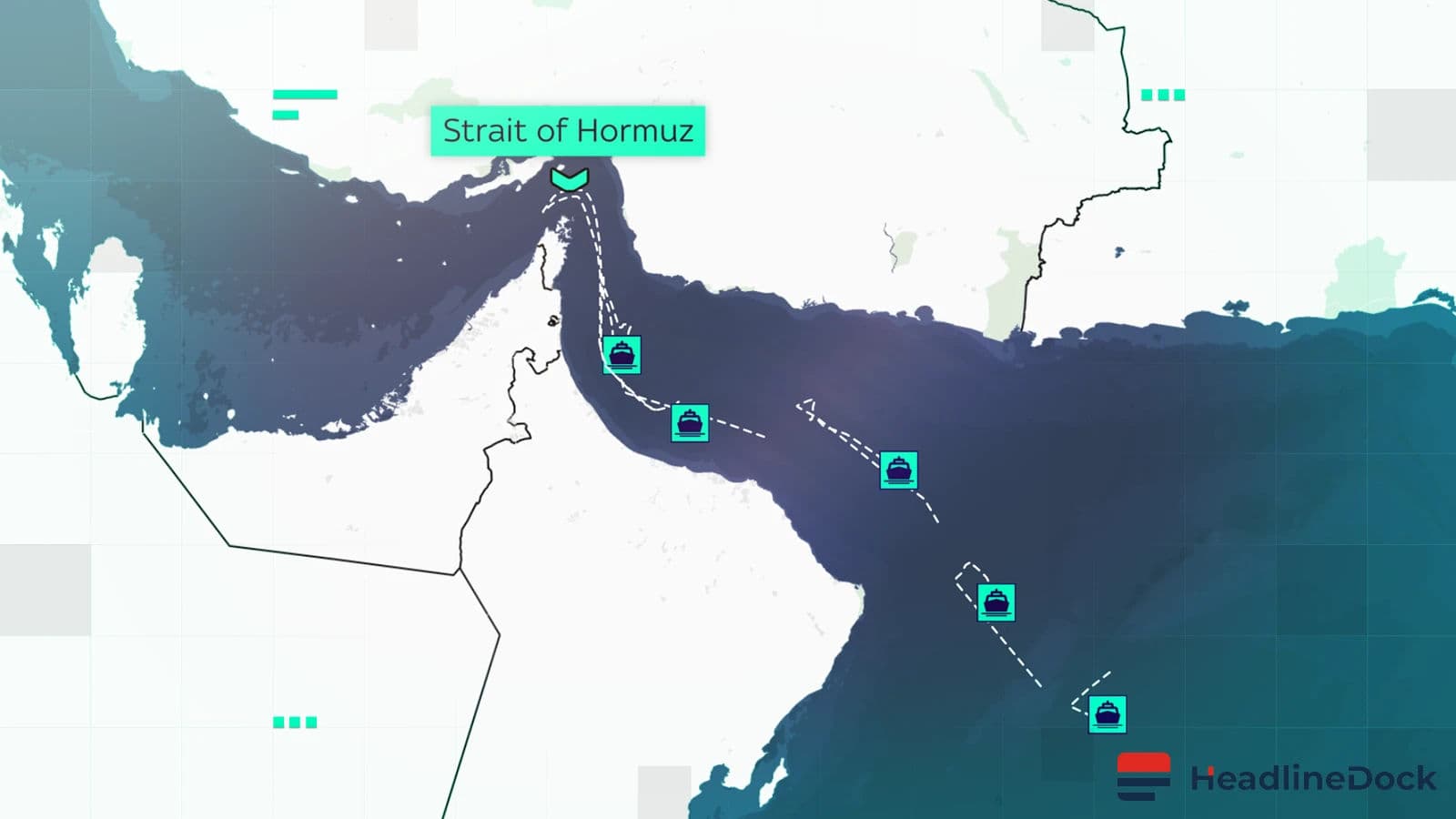
Standard macroeconomic frameworks, which rely on historical data and assumptions of rational behavior, often fail to account for non-linear, cascading consequences. As observed within the European Commission’s Directorate-General for Economic and Financial Affairs (DG ECFIN), even minor economic inputs—such as tensions in the Strait of Hormuz or shifts in energy prices—can trigger disproportionate, systemic impacts across the globe.
Building Institutional Resilience
Rather than relying solely on emergency spending, which is both costly and reactionary, nations must prioritize the creation of robust, inclusive institutions. Denmark serves as a prime example of institutional resilience; its comprehensive energy strategy, which began in 1973, successfully transformed the country’s power grid. By embedding wind development into national policy, law, and R&D with cross-party support, Denmark reached a point where renewables account for a significant portion of its total electricity supply. This long-term foresight proved invaluable during the 2022 energy crisis.
Similarly, Spain utilized the COVID-19 pandemic as an opportunity to implement universal unemployment protections through collaborative agreements. These examples demonstrate that resilience is not merely a product of wealth, but rather a reflection of political will and the capacity to establish durable institutions. As emphasized by the IMF’s April 2026 outlook, maintaining the legitimacy and independence of these institutions is essential to stabilizing expectations and fostering sustainable growth. Societies that invest in inclusive, adaptable frameworks are far better equipped to absorb the shocks of an unpredictable future.