Indonesia's Rural Energy Crisis: Vast Renewable Potential Remains Largely Untapped
Despite immense natural potential, a significant portion of rural Indonesia faces extreme energy poverty. Recent analysis reveals that structural policy failures have left hundreds of thousands without electricity, necessitating a shift toward community-based renewable energy solutions to ensure equitable distribution.
Highlights
- •Over 658,000 families in Indonesia currently live without any access to electricity.
- •Approximately 99% of the country's potential hydroelectric resources in rural villages remain unutilized.
- •Eastern regions like Papua and Maluku Utara experience the highest levels of energy vulnerability.
- •Current energy policies have failed to integrate community-based renewable energy management effectively.
Despite the global momentum behind the renewable energy transition, a significant portion of rural Indonesia remains trapped in energy poverty. Recent analysis reveals that while the nation possesses vast natural potential for clean power, structural gaps and unequal access have left hundreds of thousands of households without reliable electricity. This persistent disparity highlights an urgent need to rethink national energy policies.
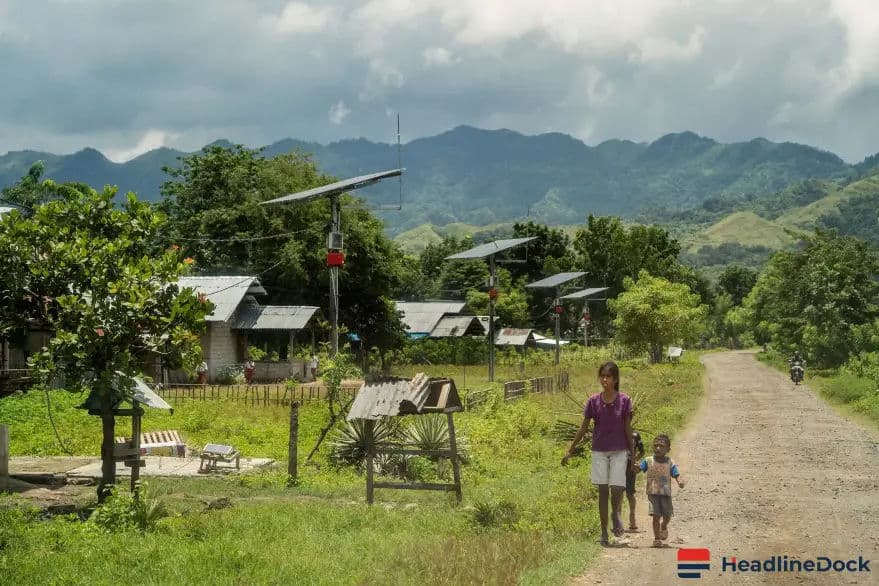
According to 2024 data, approximately 658,000 families in Indonesia still lack any access to electricity. These households are primarily concentrated in the eastern regions, particularly in Papua Pegunungan and Papua Tengah. Furthermore, around 1.17 million families rely on non-state electrical sources, often resorting to expensive and inefficient diesel generators that contribute significantly to environmental degradation.
Untapped Potential and Energy Inequality
Research examining data from the Badan Pusat Statistik (BPS) indicates a massive missed opportunity regarding local natural resources. While over 120,500 villages possess water sources suitable for hydroelectric generation, only about 1,039 villages have successfully utilized this for power, meaning 99% of this renewable energy potential remains dormant. The situation is exacerbated by declining infrastructure investments; even household-level solar adoption has decreased over the past three years.
To quantify these issues, the Energy Vulnerability Index (EVI) was developed, focusing on indicators such as lack of electrical access, dependency on non-PLN sources, and absence of clean energy programs. The findings demonstrate that provinces in eastern Indonesia, including Maluku Utara, consistently face the highest levels of energy vulnerability. This suggests that the current national strategy has failed to effectively support the regions that need it most.
Reforming the Community-Based Energy Approach
The status quo in mining areas is particularly paradoxical. Thousands of villages located near resource extraction sites remain underdeveloped and suffer from environmental pollution, yet they see little benefit from the national energy transformation. Statistical evidence shows rising levels of water, air, and soil contamination in these regions, underscoring the limitations of relying on large-scale infrastructure projects that ignore local needs.
A transition to renewable energy must move beyond top-down project management. Sustainable progress requires empowering local communities to manage their own energy assets through cooperatives, small-scale hydro, or decentralized solar systems. Ensuring that rural residents are not just subjects of national policy, but active participants and beneficiaries, is essential for a truly equitable energy future.