Mortgage vs. Rent: Navigating the Complexities of Housing Affordability Decisions
Choosing between buying a home through a mortgage and renting involves complex financial trade-offs. While ownership is often encouraged, current economic data suggests that renting can provide greater financial flexibility, stability, and lower long-term costs in a volatile market environment.

Highlights
- •Current market conditions make renting often more economically viable than taking on a 40-year mortgage.
- •The price-to-rent ratio in Indonesia currently sits at 25, favoring the financial benefits of renting.
- •Extended mortgage tenors significantly increase the total cost of a home due to long-term interest accumulation.
- •Renting offers greater financial flexibility and risk mitigation against job loss or income instability.
The age-old debate between buying a home through a mortgage or opting to rent continues to challenge many people. While purchasing property remains a primary goal for many, the current economic climate has turned it into a complex dilemma, particularly for middle-to-lower-income families. As housing costs remain high and purchasing power fluctuates, finding a sustainable path to secure living is more critical than ever.
Evaluating the Mortgage vs. Rent Dilemma
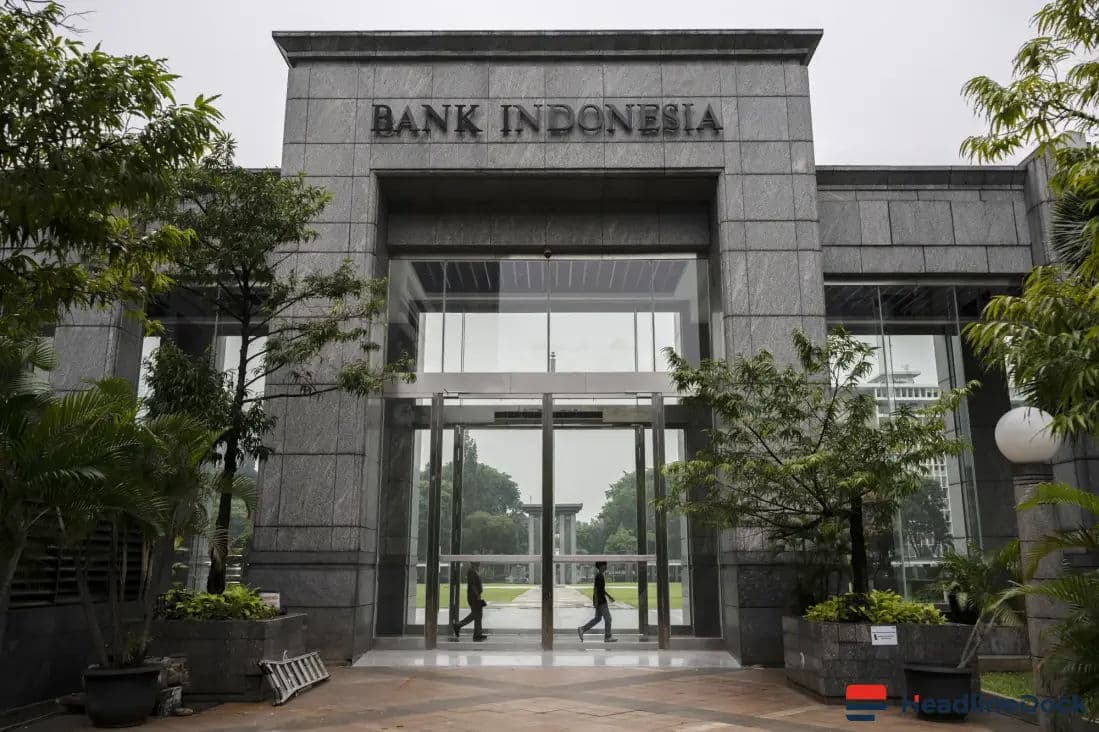
In Indonesia, real estate prices have remained stubbornly high even as sales growth slows. This disconnect between market prices and consumer purchasing power makes homeownership increasingly elusive for the average person. To address these affordability challenges, the government has explored various interventions, including the recent discourse surrounding a 40-year mortgage scheme mentioned by President Prabowo Subianto on May 1, 2026. While such extended tenors may lower monthly payments, they often mask the underlying issue of high property prices.
For many households, renting a home is a more rational alternative that provides financial flexibility. Choosing to rent avoids the burden of large down payments, which can reach 20-30% of the property's price. Furthermore, data from May 2026 indicates that the price-to-rent ratio in Indonesia stands at 25. Since any ratio above 21 typically suggests that renting is more economical than buying, it is clear that many individuals could improve their quality of life by opting for a rental property over a long-term loan.
Long-term Financial Impact and Risk Mitigation
The primary concern with choosing a long-term mortgage, such as a 40-year plan, is the massive total interest paid over the duration of the loan. A property priced at Rp500 million, when financed over 20 years with effective interest rates of 10-12%, could ultimately cost between Rp900 million and Rp1.2 billion. This financial commitment ties up a significant portion of monthly income for decades, limiting resources for emergencies, education, or essential household needs.
Moreover, committing to a multi-decade loan cycle creates extreme vulnerability to life changes. If an individual faces job loss or a decline in income, a long-term loan becomes an immense source of stress for the entire family. Unlike a mortgage, a rental agreement offers the adaptability to relocate or renegotiate terms if financial circumstances shift. Prioritizing liquidity and financial stability allows households to maintain a better standard of living while potentially saving for a future cash purchase, rather than becoming trapped in a cycle of debt that lasts until retirement age.