How Taiwan Navigates the Competing Energy Visions of Superpowers
Taiwan is caught between the American push for fossil fuel-based energy dominance and the Chinese strategy of dominating clean-technology and electro-state infrastructure, forced to balance critical energy needs for its massive semiconductor industry against significant geopolitical security risks.
Highlights
- •Taiwan imports roughly 94% of its energy, making it highly susceptible to maritime supply chain disruptions.
- •The U.S. promotes 'energy dominance' through fossil fuel exports, while China positions itself as a dominant 'electro-state' in clean energy.
- •Taiwan's semiconductor giant TSMC consumes nearly 8% of the island's electricity, fueling high demand for stable energy supplies.
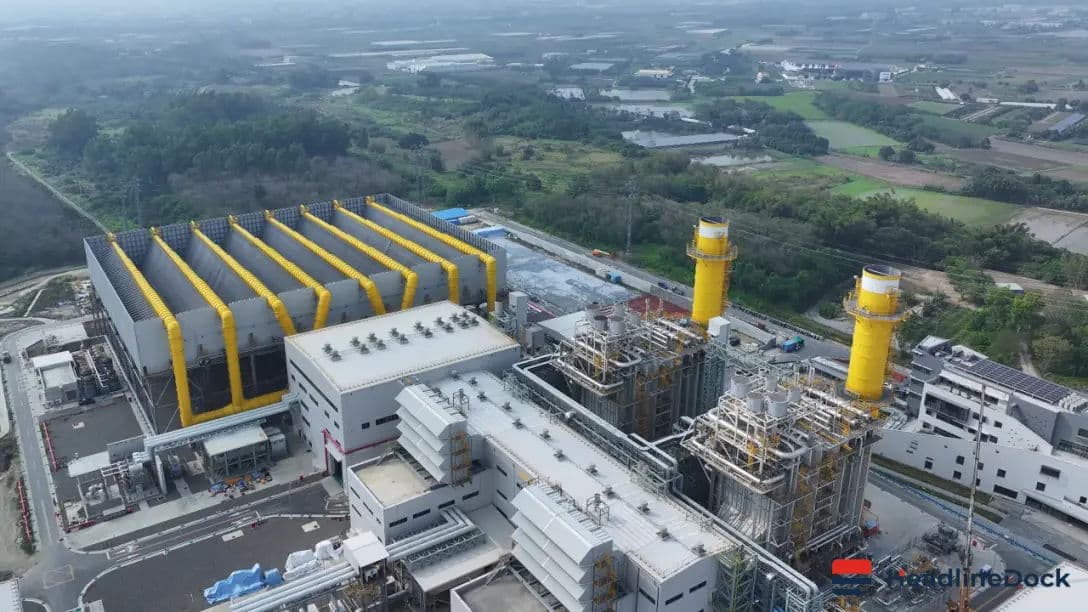
- •Taipei is actively diversifying energy imports by increasing reliance on American LNG to balance geopolitical interests and security needs.
In the evolving landscape of global energy security, Taiwan finds itself in a precarious position, attempting to balance conflicting visions of power dominance championed by the United States and China. Since the declaration of a national energy emergency in early 2025, the U.S. has aggressively pursued a strategy of energy dominance, utilizing fossil fuel exports as a key geopolitical tool to maintain influence and manage its relationships with allies.
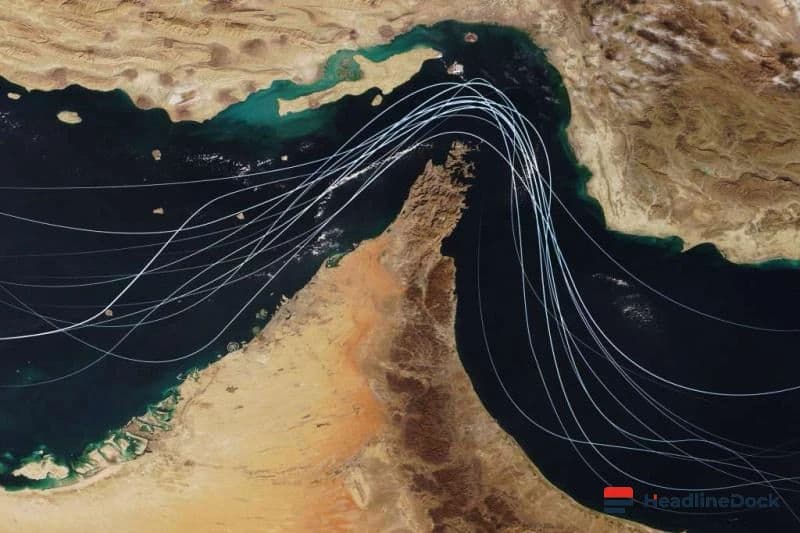
While Washington has seen success in securing energy purchase commitments from various nations—including Japan, South Korea, and Taiwan—this strategy faces significant contradictions. Taiwan, which currently imports approximately 94 percent of its energy requirements, is particularly vulnerable to the shifting tides of these two competing global powers. The island’s reliance on maritime corridors for liquefied natural gas (LNG) and coal imports presents a major strategic vulnerability, especially in the face of heightened geopolitical tensions.
Diverging Energy Strategies and Strategic Resilience
The core of this struggle lies in the contrasting approaches taken by the two superpowers. The United States continues to leverage its status as a major petrostate, prioritizing fossil fuel production and military coercion to assert control. In contrast, China has rapidly positioned itself as a leading electro-state, dominating the global supply chains for critical clean-technology components, including solar panels, wind turbines, and EV battery infrastructure. This transition has allowed China to build significant long-term resilience, an advantage that became apparent during recent supply chain disruptions.
For Taiwan, the challenge is three-fold. It must navigate the energy needs of its massive, electricity-intensive semiconductor industry, led by TSMC, while working toward ambitious 2050 net-zero targets. Furthermore, the island must manage the risks of being heavily dependent on supply chains that often route through China or Chinese-controlled firms. As Taiwan looks to diversify its energy imports, increasing its reliance on American LNG serves both a strategic purpose and a method of political hedging to ensure continued backing from the U.S. security umbrella.
Ultimately, the global push for energy security reveals that reliance on traditional fossil fuel dominance may no longer be the most sustainable path. As middle-income nations observe these shifts, the focus is increasingly moving toward grid hardening, the development of renewable capacities, and creating energy systems that are resilient against external pressure and blockade scenarios. For the United States, this highlights the limitations of treating fossil fuel supremacy as a long-term form of strategic influence, as many nations seek to reduce their exposure to volatile energy markets and the geopolitical demands that often accompany them.