Rupiah Devaluation: How Fiscal Overspending Is Driving Indonesia’s Currency Crisis
The Indonesian Rupiah is struggling as one of the world's weakest currencies. Experts argue that Bank Indonesia's monetary interventions are insufficient, pointing to fiscal strain from major government projects like MBG and the formation of Danantara as core contributors to the instability.
Highlights
- •The Indonesian Rupiah has hit a historic low, ranking among the five weakest currencies globally.
- •Bank Indonesia has deployed US$10 billion in reserves to stabilize the currency with limited success.
- •Massive spending on programs like Makan Bergizi Gratis is straining the national fiscal budget.
- •Structural issues, including the shift of BUMN dividends to Danantara, are impacting investor confidence.
The Indonesian Rupiah is facing a historic decline, recently dropping to a alarming level of Rp18,173 per US dollar as of June 8, 2026. This significant devaluation has positioned the Rupiah among the five weakest currencies globally. Economists suggest that while global economic pressures are a factor, domestic fiscal mismanagement is compounding the crisis, leaving the country vulnerable to external shocks.
Monetary Intervention and Fiscal Strain
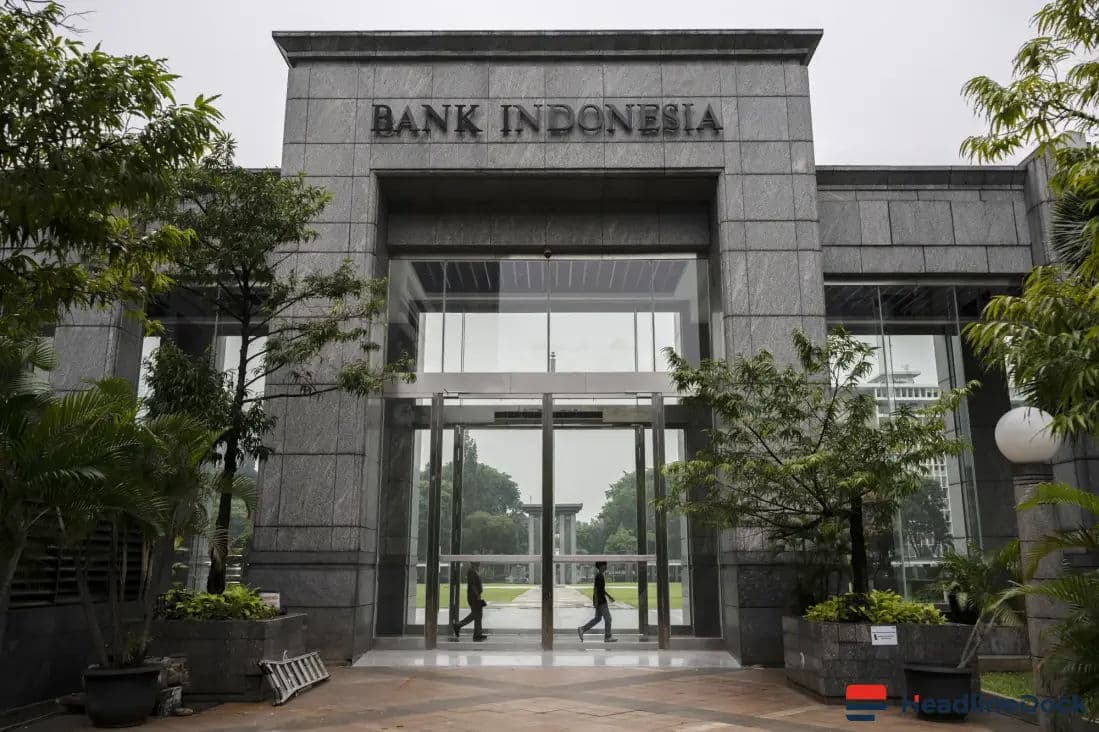
Bank Indonesia (BI) has been heavily involved in trying to stabilize the currency, having utilized approximately US$10 billion, or Rp182 trillion, from foreign exchange reserves as of May 2026. Critics argue that relying solely on monetary intervention is insufficient and unsustainable. The burden on Bank Indonesia to act as the primary stabilizer is becoming increasingly difficult as the country's fiscal policy faces substantial gaps.
Massive government-led initiatives, including the Makan Bergizi Gratis (MBG) program, which is projected to cost around Rp200 trillion, and the Koperasi Desa Merah Putih (KDMP), which receives Rp84 trillion from the national budget plus Rp34.57 trillion in village funds, are under intense scrutiny. Concerns regarding the efficiency and potential misuse of these funds have raised alarms among investors and the public. Experts recommend limiting MBG allocations to a maximum of one percent of the national budget and focusing on underdeveloped regions to ensure higher efficacy.
The Impact of Danantara and Economic Policy
The establishment of Danantara has further altered the nation's financial structure. Previously, dividends from State-Owned Enterprises (BUMN) were directed to the state treasury as non-tax revenue, totaling Rp85.5 trillion in 2024. Now, these profits are channeled through Danantara, while the agency also retains the potential to receive additional capital injections through the APBN. This shift has triggered debates regarding fiscal transparency and accountability.
To combat inflation—which is currently driven by rising production costs rather than excess demand—Bank Indonesia has aggressively raised the benchmark interest rate by 75 basis points in recent months. However, the impact on stabilizing the Rupiah remains minimal. Analysts suggest that officials should pivot toward policies that encourage export-oriented sectors and ensure deeper market stability. Restoring investor confidence requires not just rhetoric, but a clear, credible fiscal strategy that addresses the structural roots of the current economic downturn.