Navigating Global Economic Crises and Strengthening National Resilience in Uncertain Times
As global economic instability intensifies due to geopolitical tensions and logistical bottlenecks like the Hormuz Strait, nations must prioritize long-term fiscal strategies. Building resilience through sustainable investment and infrastructure development is crucial to surviving the increasingly unpredictable nature of future global economic shocks.
Highlights
- •Global economic stability is increasingly threatened by non-economic factors like geopolitical conflicts and energy supply disruptions.
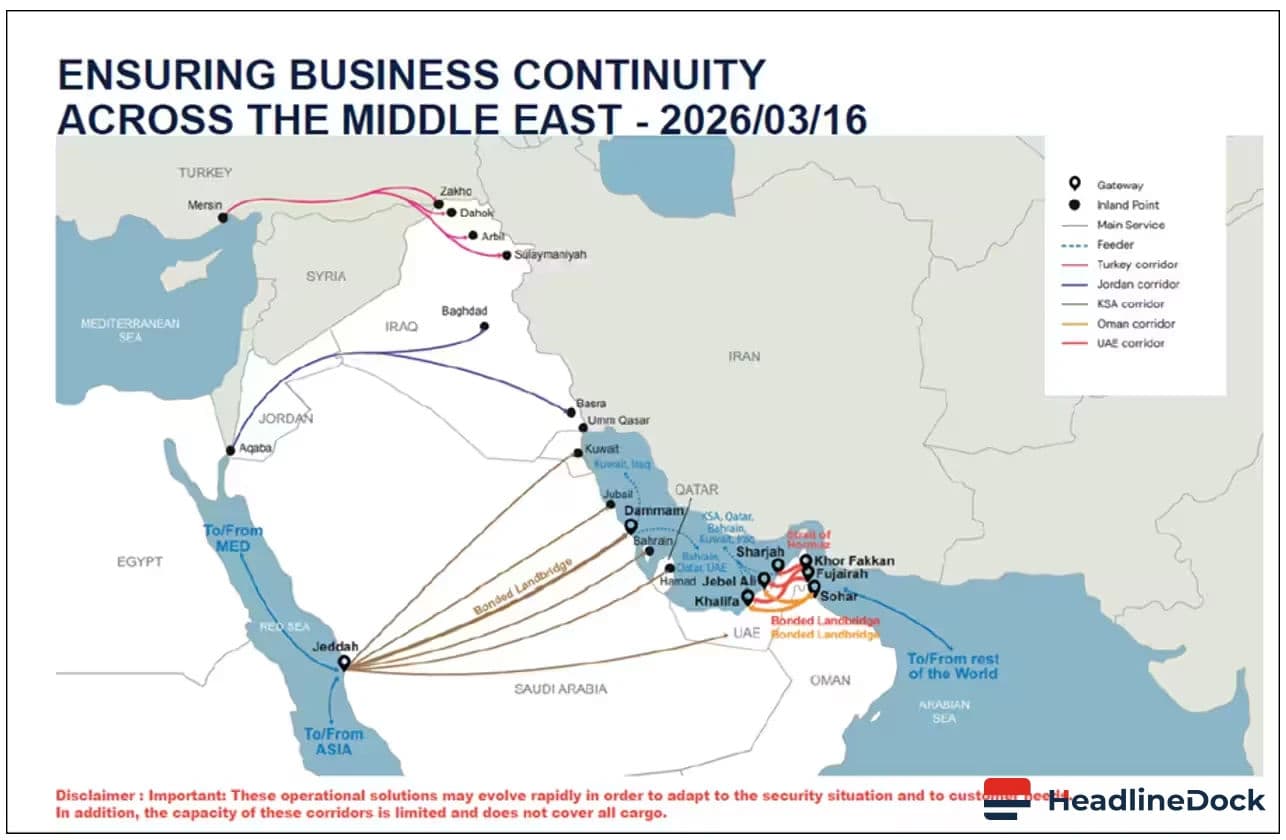
- •The Hormuz Strait remains a critical global logistics bottleneck, directly influencing international oil prices and overall growth.
- •National resilience requires moving beyond short-term consumption subsidies to prioritize long-term investment in infrastructure and job creation.
- •Future economic planning must incorporate complex variables like climate change and geopolitical uncertainty to better predict and mitigate crises.
Since the advent of modern economic history, which began around the first industrial revolution, the global landscape has been frequently reshaped by a series of recurring economic crises. From the Great Depression of 1929 to the energy-driven turmoil of the 1970s and the global financial crisis of 2008, history consistently demonstrates that periods of instability are often fueled by vulnerabilities that eventually snap under external pressure. As the world navigates the current uncertainty surrounding the Hormuz Strait, it becomes vital to evaluate how national economies can effectively mitigate these persistent shocks.
Rising Geopolitical Risks and Global Instability
Recent decades have seen a significant increase in the frequency of major economic disruptions, including the 1997 Asian financial crisis, the COVID-19 pandemic, and recent geopolitical conflicts. A defining trend is the rise of non-economic factors—particularly geopolitical conflicts and security issues—as primary triggers for these crises. Unlike traditional market cycles, these events are difficult to predict, as they are often rooted in power struggles or regional instability.
The ongoing impact of conflicts, such as the situation between Russia and Ukraine or the hostilities involving Iran, Israel, and the United States, has forced major logistical shifts. Notably, the tension at the Hormuz Strait, a critical artery supplying nearly 20% of the world's crude oil, serves as a stark reminder of how fragile the global supply chain remains. These disruptions have already contributed to a decline in global growth rates, forcing international institutions to reassess their economic outlooks for 2026.
Strengthening National Economic Resilience
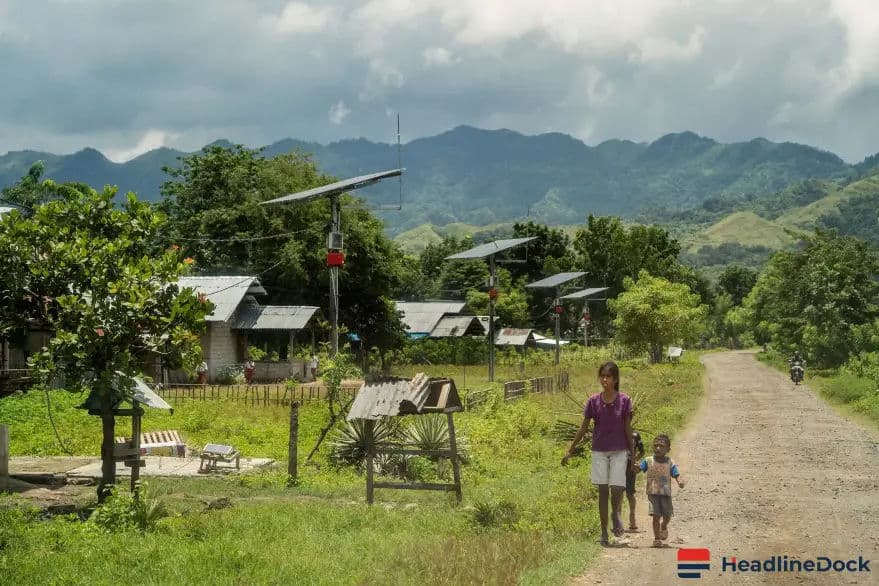
To withstand such global volatility, governments must prioritize economic resilience through strategic fiscal planning. Effective policy must focus on long-term growth, the creation of quality employment, and sustained investment in education and infrastructure. While Indonesia has historically demonstrated a level of resilience due to strong domestic consumption and government social safety nets, this approach has limitations if it relies heavily on short-term stimulus rather than sustainable industrial growth.
As of the first quarter of 2026, Indonesia recorded a growth rate of 5.61%, largely bolstered by government spending and domestic consumption. However, the reliance on non-productive programs rather than long-term capital investment raises concerns about the country's readiness for future global shocks. Moving forward, authorities must move beyond traditional models, integrating complex variables—such as climate change, technological shifts, and geopolitical instability—into their economic strategies. The capacity to adapt to this VUCA (Volatility, Uncertainty, Complexity, and Ambiguity) environment will determine which nations thrive amidst the next wave of inevitable global crises.