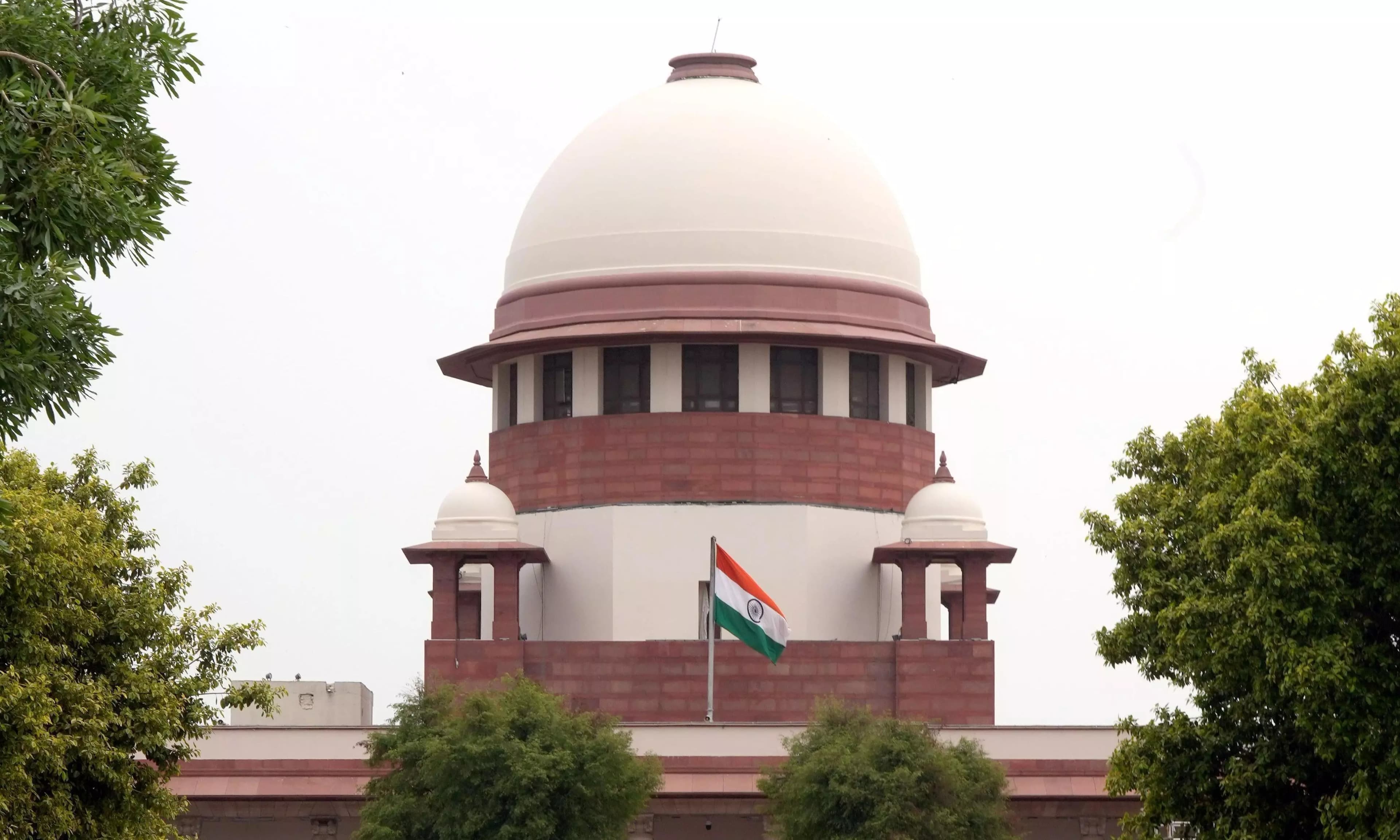
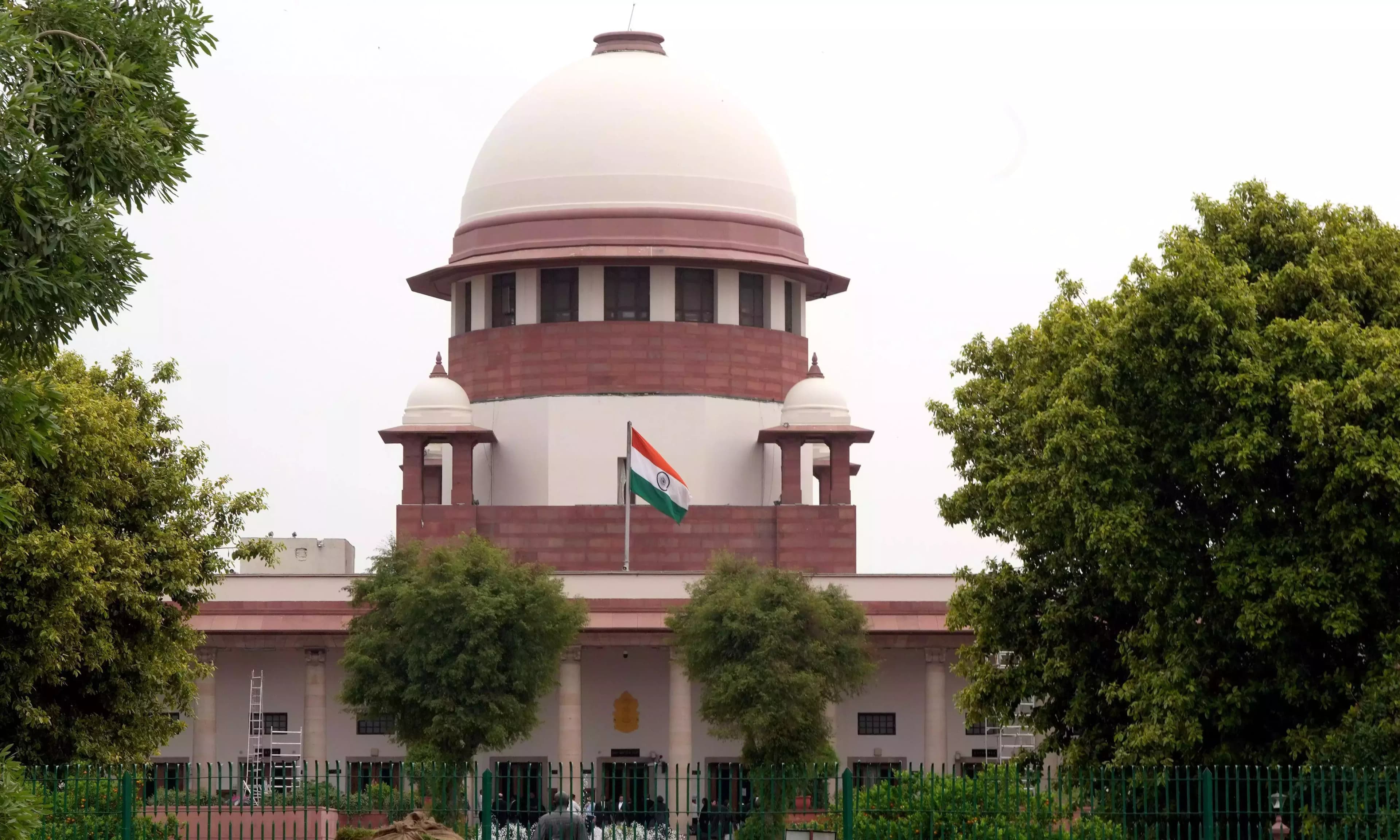
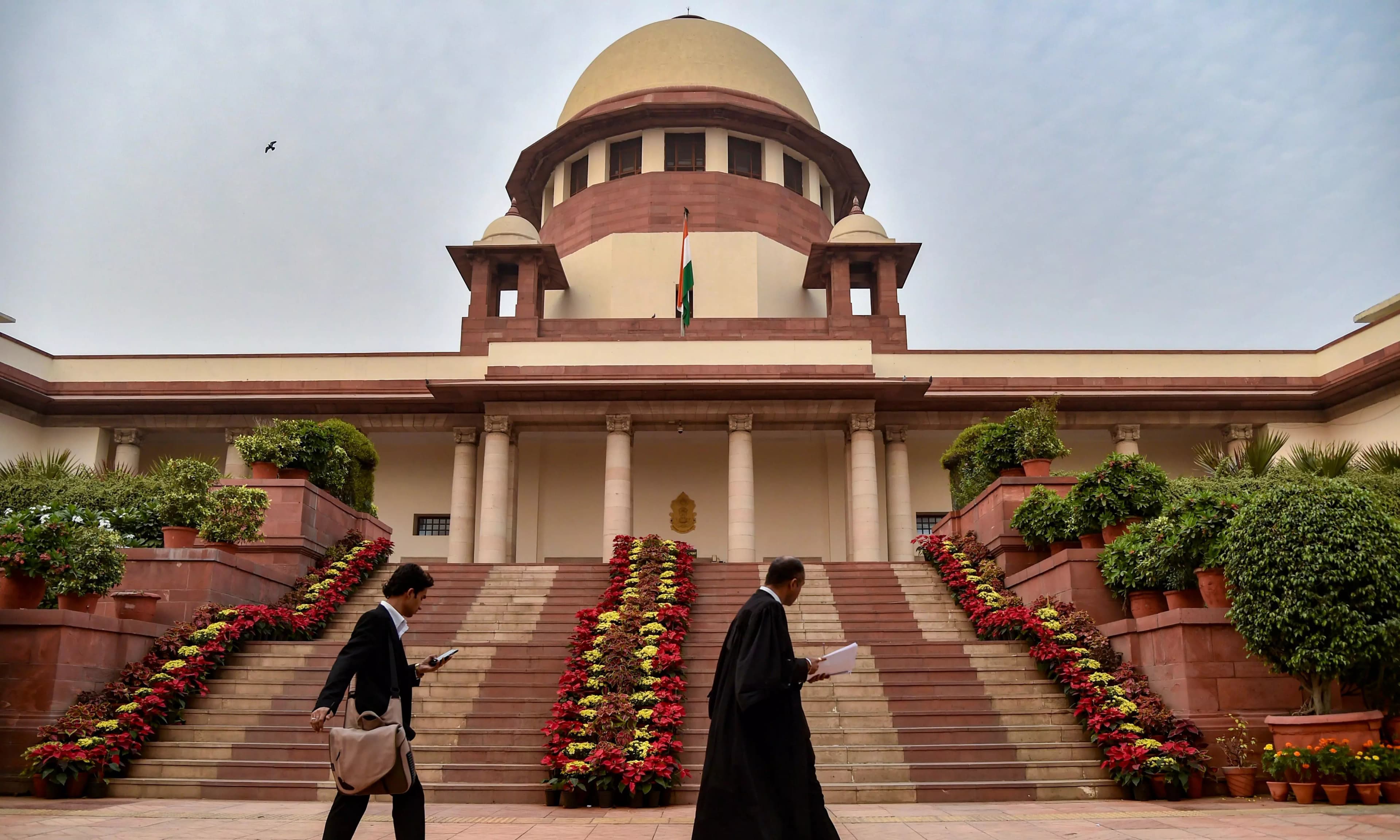
SC's Directive to Expedite Judgments: Bringing Relief to Millions of Litigants
The Supreme Court has taken steps to expedite judgments and address the backlog of trials in Indian courts, aiming to provide relief to millions of litigants and undertrial prisoners. The directives aim at reducing delays and ensuring personal liberty cases get priority.

Highlights
- •Supreme Court directive to pronounce judgments within 3 months
- •Increased urgency in handling bail applications
- •Strict timelines for online order uploads
- •Potential for greater accountability of judges
In a significant move, the Supreme Court has directed high courts and the lower judiciary to expedite judicial processes in a bid to provide much-needed relief to millions of litigants and defendants. According to Article 21 of the Indian Constitution, which guarantees life and personal liberty, the backlog of cases across various levels of the justice system continues to rise year after year.
Impact on Undertrials and Personal Liberty
The statistics are stark: over 5.3 crore cases are pending in Indian courts, with approximately 4.7 crore cases held in district and subordinate courts. High courts are burdened with around 62 lakh cases, while the Supreme Court has an even greater backlog of more than 80,000 matters.
The situation is compounded by the fact that there are almost 3.75 lakh undertrial prisoners who make up about three-fourths of India's prison population. These individuals often spend more time in detention awaiting trial or conviction compared to what they might have received if convicted, highlighting a systemic issue within the legal framework.
The Supreme Court's Directive:In a proactive step, the apex court has issued directives aimed at accelerating the delivery of judgments and ensuring the expeditious handling of personal liberty cases. Notably, high courts are directed to pronounce judgments within three months from the date they reserve them. This directive also emphasizes that bail applications must be adjudicated promptly—orders in such cases should either be pronounced immediately or uploaded on the next working day, with prompt communication to jail authorities for timely release whenever applicable.
The court has further issued stringent timelines and methods, including allowing parties to approach the chief justice of the relevant high court to assign matters to a different bench if judgment is not delivered within four months. This extra layer of oversight aims to address judicial delays and hold errant judges accountable.
While these directives are a promising step towards mitigating the backlog, they require support from other stakeholders, particularly the government, which must address infrastructure and manpower challenges faced by the judiciary.
Promoting Transparency: Timelines for Online Order Uploads
The Supreme Court has also set timelines for uploading orders online to increase transparency. This ensures that judgments are accessible quickly, thereby facilitating faster legal processes and reducing unnecessary delays caused by bureaucratic inefficiencies. The court's aim is not only to expedite cases but also to make the judicial process more accessible to the public, fostering greater confidence in the justice system.