Supreme Court Ends Kapurthala Succession Dispute
The Supreme Court of India has ruled that properties from the former kingdom of Kapurthala will be equally divided among all family members, marking a significant departure from traditional primogeniture. This decision aims to promote gender equality within royal lineages and align with contemporary legal standards.

Highlights
- •Final Resolution in Kapurthala Succession Dispute
- •Supreme Court's Landmark Ruling on Property Devolution
- •Inheritance Practices Reflect Modern Legal Standards
- •Promoting Equity Among Royal Family Members
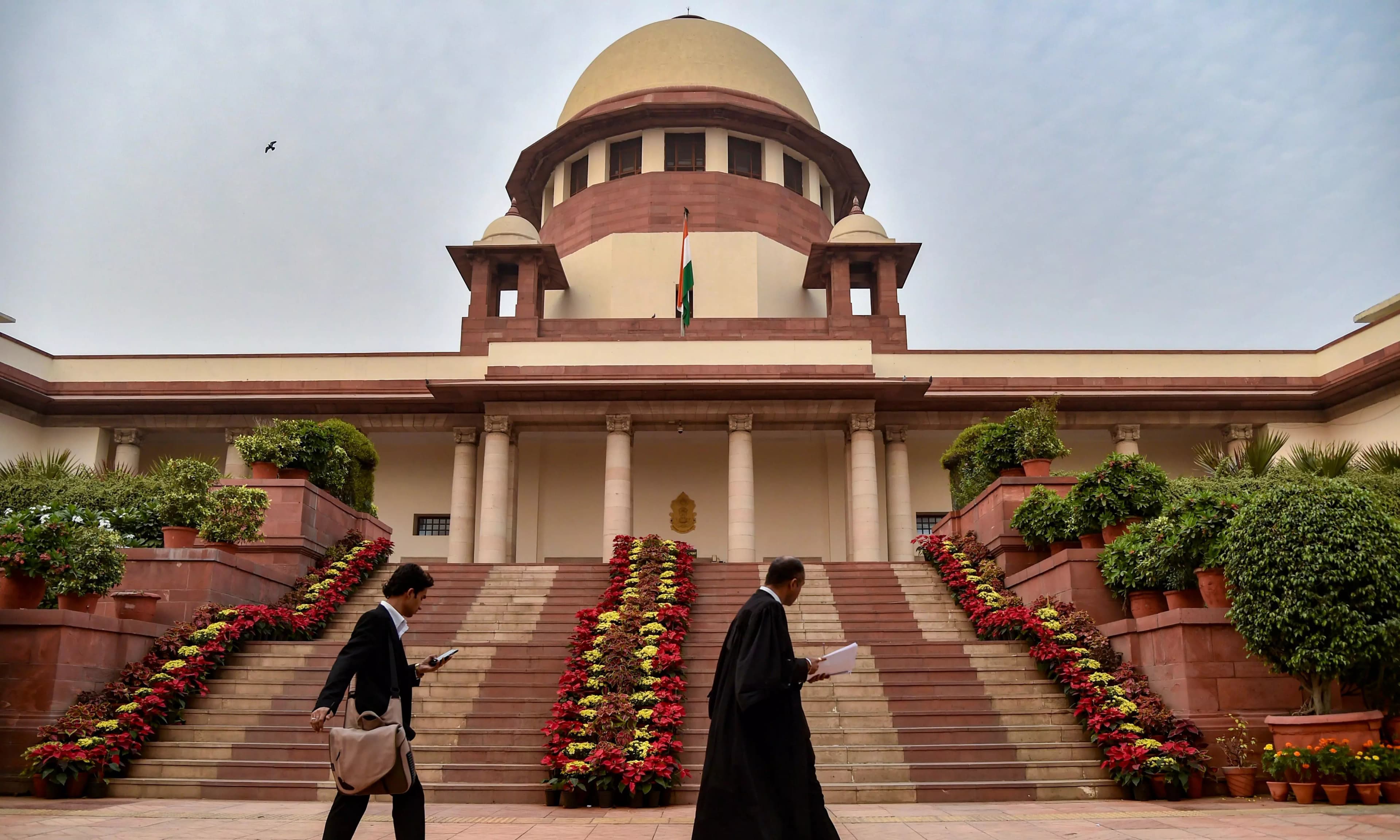
New Delhi, India – In a landmark judgment that brings closure to decades of legal wrangling, the Supreme Court has ruled in favor of equal division of property among all family members in the royal lineage of Kapurthala. The apex court's decision, delivered by Justice Pankaj Mittal and Justice SVN Bhatti, marks a significant shift from the traditional primogeniture rule, ensuring that each member of the erstwhile royal family now has an equal claim to the royal properties spread across India and overseas.
Background and Decision
The legal battle, which had remained unresolved for almost 50 years, revolved around a dispute between the eldest son, his mother, and daughters against their father. The lawsuit, filed in 1977, sought partition of extensive property holdings. The father cited the old primogeniture rule, stating that properties devolved to only the male heir under this traditional system.
The Supreme Court's decision is a victory for family harmony and gender equality, as it ruled that the Hindu Succession Act, 1956, would govern the devolution of property. This means that every member of the royal family will have an equal right to inherit, thereby overturning long-standing customs that favored male succession exclusively.
Key Points
- The ruling affects properties held by the erstwhile Maharaja of Kapurthala across India and overseas, providing all family members with legitimate claims over them.
- The High Court's earlier decisions favoring primogeniture were set aside to align property devolution with modern legal standards.
- The decision underscores a shift towards more equitable inheritance practices in line with current laws, promoting gender equality within the royal bloodline of Kapurthala.
- This landmark judgment serves as a precedent for future succession disputes in similar contexts across India.
Legal experts and family members involved in the case expressed their satisfaction with the court's decision. The ruling not only brings about fairer distribution of assets but also reaffirms the importance of contemporary legal principles over archaic customs in modern societies like ours.