Delhi High Court Orders Review of X Account Blocking for Cockroach Janta Party
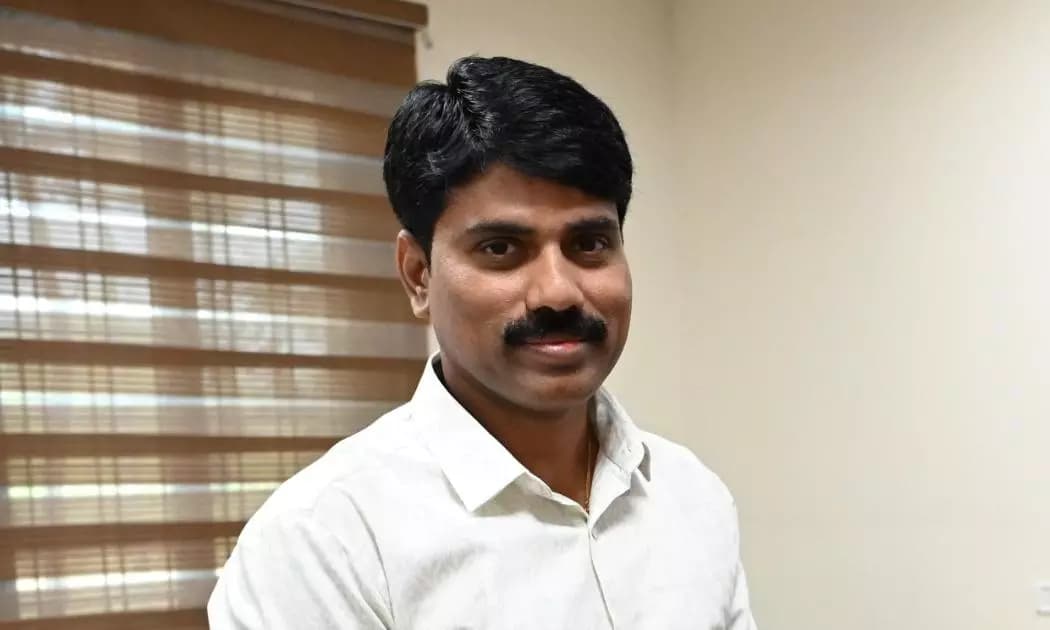
The Delhi High Court has directed a review of the blocking of Cockroach Janta Party's X account, ensuring due process for the founder Abhijeet Dipke. This case highlights ongoing legal debates on account blocking rules.

Highlights
- •Delhi High Court directs Review Committee to examine challenge filed by CJP's Abhijeet Dipke
- •Union Government and X notified in the petition questioning national security grounds of the block
- •Case involves broader issues regarding overall activity of the account, not just specific posts
- •Involves procedural debates on providing due process and access to blocking records
The Delhi High Court on Friday directed the Review Committee, established under the Information Technology (Blocking Rules), to investigate a challenge filed by Abhijeet Dipke, the founder of Cockroach Janta Party (CJP). The case centers around the blocking of CJP's X account. Justice Purushaindra Kumar Kaurav issued notice to the Union Government and X regarding this petition.
Delhi High Court: A Balanced Approach
In its ruling, the Court granted four weeks for comprehensive affidavits outlining the government's stance on the blocking action. Senior Advocate Akhil Sibal urged the court to direct X to restore the blocked account pending adjudication and called for disclosure of any blocking orders, asserting that affected parties should receive due process.
The Court observed that while previous cases had involved specific posts being blocked with access to accounts restored, this case appeared broader, addressing overall account activity. Thus, the court directed the Review Committee's examination of all matters raised by Dipke and mandated public record placement of its findings.
Debate on Legal Framework
The legal framework around such disputes is still evolving, which necessitates a comprehensive approach. Solicitor General Tushar Mehta expressed concerns about the conduct of X during the proceedings, suggesting that further details might be required if needed.
Further complicating the issue was Dipke's request to participate remotely through authorized representation, illustrating the logistical challenges in handling such cases. The Court directed review mechanisms and ensured balanced consideration by these bodies.