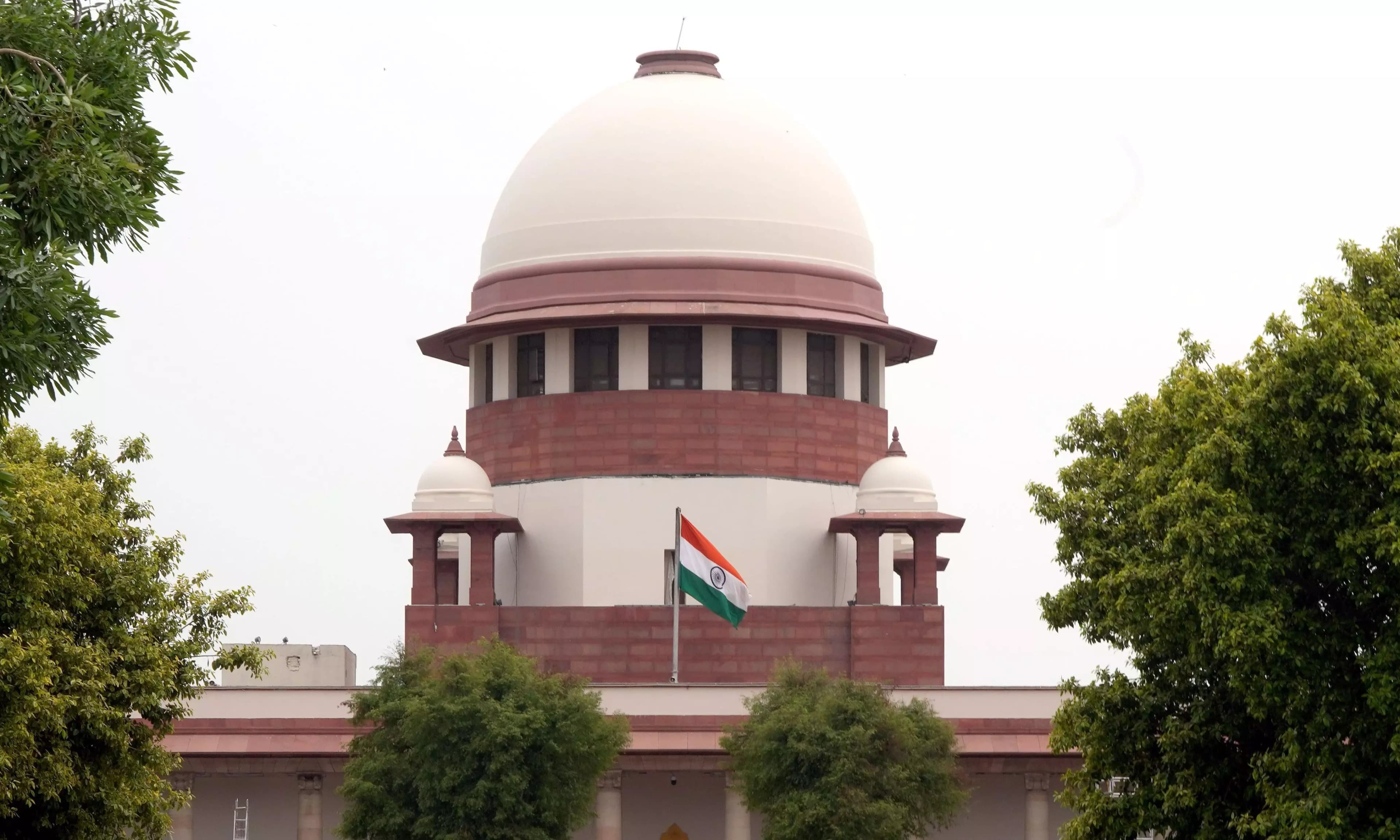
Supreme Court Refuses to Interfere with Anticipatory Bail Granted by Allahabad High Court
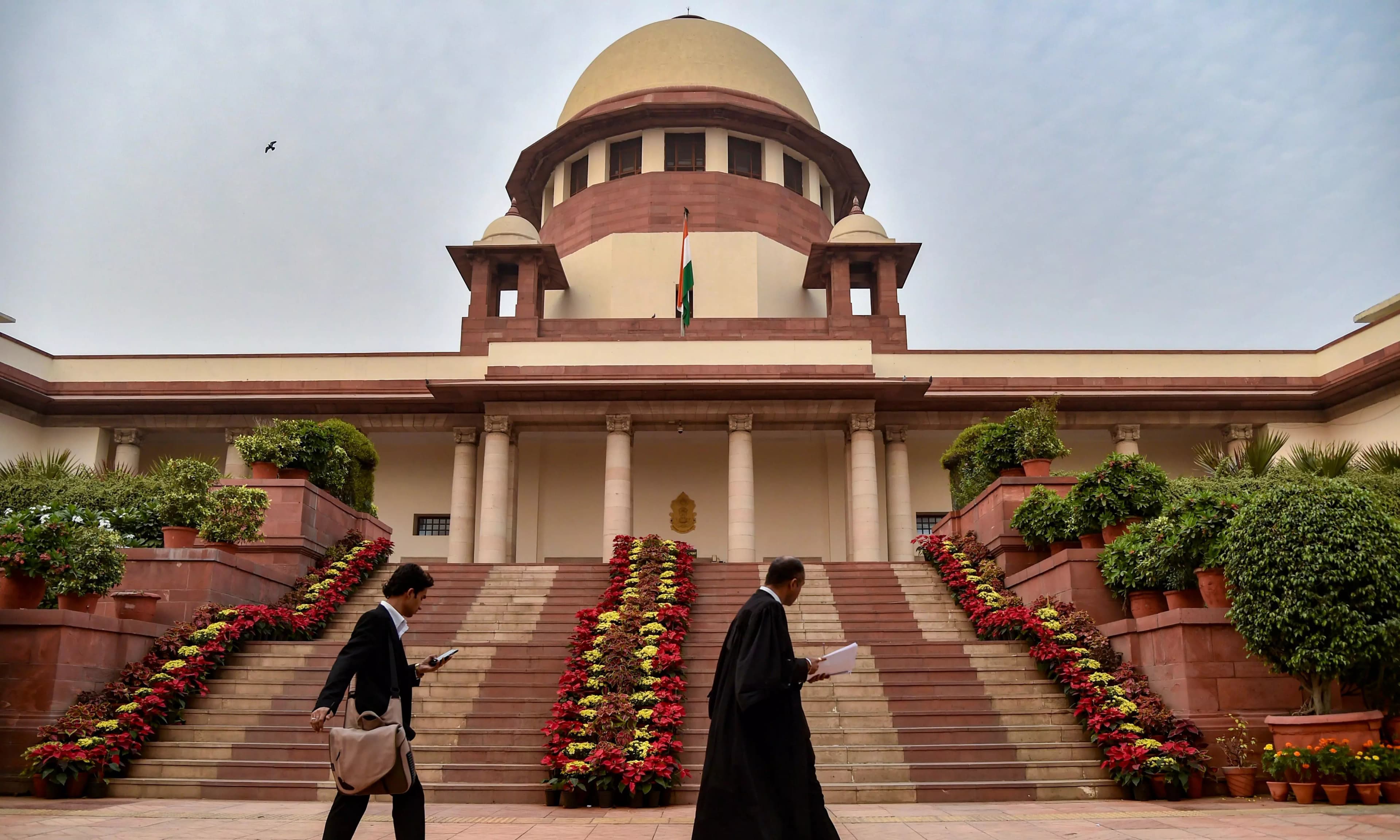
The Supreme Court's refusal to interfere with the Allahabad High Court's anticipatory bail decision highlights the ongoing legal battle surrounding the sexual exploitation allegations against Swami Avimukteshwaranand Saraswati.
Highlights
- •Supreme Court refuses to intervene in Avimukteshwaranand's case
- •Allahabad High Court granted anticipatory bail under POCSO Act
- •Complainant argues that bail was decided too mechanically by the court
- •Defendants offer to undergo narcoanalysis test for their defense
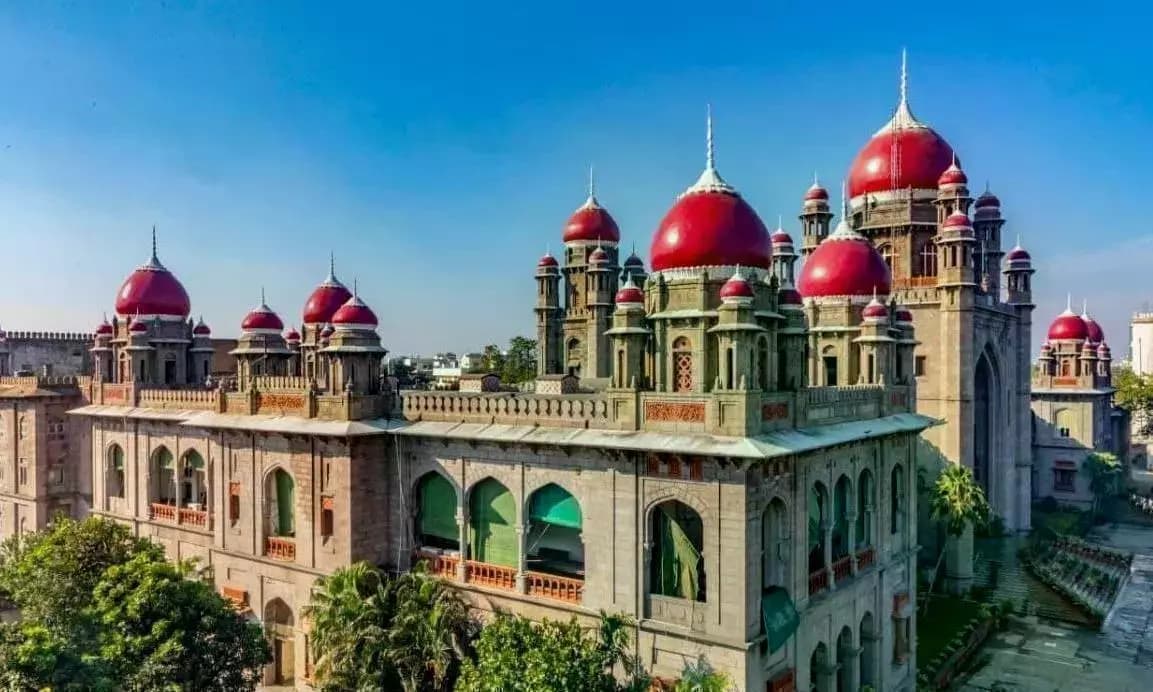
The Supreme Court's recent decision not to interfere with the Allahabad High Court's order of anticipatory bail granted to Swami Avimukteshwaranand Saraswati raises significant questions about the allegations made under the Protection of Children from Sexual Offences (POCSO) Act. The High Court had dismissed the plea filed by complainant Ashutosh Brahmachari, who alleged that the high court's decision was mechanical and did not adequately consider the severity of the offenses.
Advocate Saurabh Ajay Gupta argued that Swami Avimukteshwaranand had sexually exploited minors under the guise of education. He further stated, 'It's a very heinous offense under the POCSO Act. The high court has dealt with this issue in a mechanical fashion.'
Background and Legal Proceedings
Avimukteshwaranand had already received anticipatory bail earlier on March 25, along with his disciple Mukundanand Brahmachari. They were both restrained from making public statements regarding the matter. The case involves allegations of sexual exploitation against several 'batuks' (young disciples) at Avimukteshwaranand's ashram in Prayagraj.
The complainant lodged an FIR at Jhunsi police station following directions from a POCSO court. Swami Avimukteshwaranand's defense lawyers contended that the allegations were fabricated, with claims that the seer was falsely implicated and that the alleged victims never stayed at his ashram.
Avimukteshwaranand also offered to undergo a narcoanalysis test to prove his innocence. However, the state opposed the plea on technical grounds, stating that it was filed directly in the high court without first approaching a sessions court as required by law.