Rising GPS Interference: New Technology Races to Safeguard Global Navigation
As deliberate GPS interference via jamming and spoofing increases, maritime and aviation travel face severe risks. With incidents rising by 500% in 2024, researchers are now developing resilient navigation backups using 5G cellular networks and low Earth orbit satellite signals to ensure safety.
Highlights
- •GPS interference, through jamming and spoofing, has surged globally, threatening the safety of international aviation and maritime travel.
- •Incidents affecting civil aviation rose by roughly 500% in 2024, highlighting the scale of the vulnerability in modern navigation.
- •The Strait of Hormuz has become a critical danger zone where persistent signal manipulation causes ship groundings and collisions.
- •New research focuses on navigation resilience using cellular signals and low Earth orbit satellites as alternatives to traditional GPS.
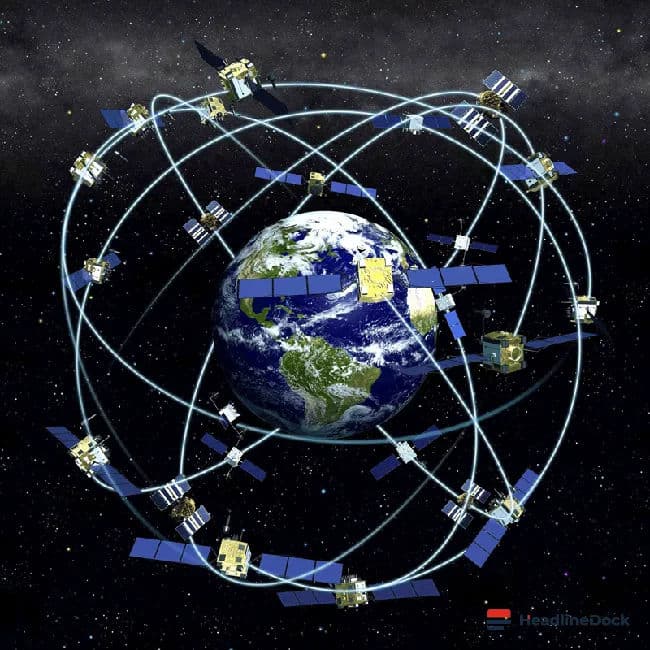
The global reliance on GPS for navigation is facing an unprecedented threat as deliberate interference in the form of jamming and spoofing surges. In environments lacking distinct visual markers, such as the open sea, deserts, and the sky, this vulnerability is creating significant dangers for maritime and aviation travel. As bad actors increasingly manipulate GPS signals, the race to develop more resilient, alternative electronic navigation methods has become critical.
GPS interference generally manifests in two ways: jamming and spoofing. While jamming blocks signals with noise, spoofing is far more deceptive, feeding false data into receivers to mislead ships and aircraft about their location and timing. This issue has escalated from a theoretical concern to a routine challenge in conflict zones, including the Black Sea, the Baltic Sea, the eastern Mediterranean, and the Strait of Hormuz.
Rising Security Risks and Global Impact
The impact of manipulated GPS data is extensive, affecting both civilian and military operations. Reports indicate that GPS spoofing and jamming incidents in civil aviation climbed by approximately 500% between January and August 2024. In the maritime sector, the consequences are often dire; illegal fishing fleets, oil smugglers, and other criminal entities use interference to hide their activities or create networks of ghost ships. This has resulted in several high-profile incidents, including the December 2024 downing of Azerbaijan Airlines Flight 8243, which tragically claimed 38 lives due to diverted navigation.
The Strait of Hormuz remains a particularly dangerous hotspot, where approximately 20% of the world’s petroleum trade passes through narrow, congested waters. Persistent interference here has led to collisions and groundings, illustrating how modern navigational technology, if compromised, can quickly escalate into environmental or humanitarian disasters. Even high-level political figures are not immune; for instance, in 2025, the aircraft carrying European Commission President Ursula von der Leyen was forced to execute an emergency landing following interference.
Developing Resilient Navigation Alternatives
To combat this growing vulnerability, researchers are moving toward diversified navigation strategies that do not rely solely on satellite constellations. Engineering experts, including those at The Ohio State University, are pioneering the use of signals of opportunity, such as those emitted by existing LTE and 5G cellular networks. By leveraging this infrastructure, specialized receivers can maintain high-accuracy positioning—often reaching sub-meter precision—even when satellite systems are fully compromised.
Furthermore, innovations involving low Earth orbit (LEO) satellite constellations, such as Starlink, offer a promising path forward. Because these signals are stronger and transmit across a broader spectrum, they are significantly more resilient to localized jamming than traditional medium Earth orbit systems. As these technologies mature, the transition toward a multifaceted approach to navigation security appears essential to ensuring safety in an increasingly complex and contested global environment.