Building Orbital Data Centers: The Ambitious Dream Facing Major Engineering Realities
The concept of orbital data centers offers a potential solution to Earth-based computing constraints, yet faces severe engineering challenges including thermal management, radiation, and high maintenance costs. Early adoption will likely focus on space-specific data processing rather than competing with terrestrial cloud services.
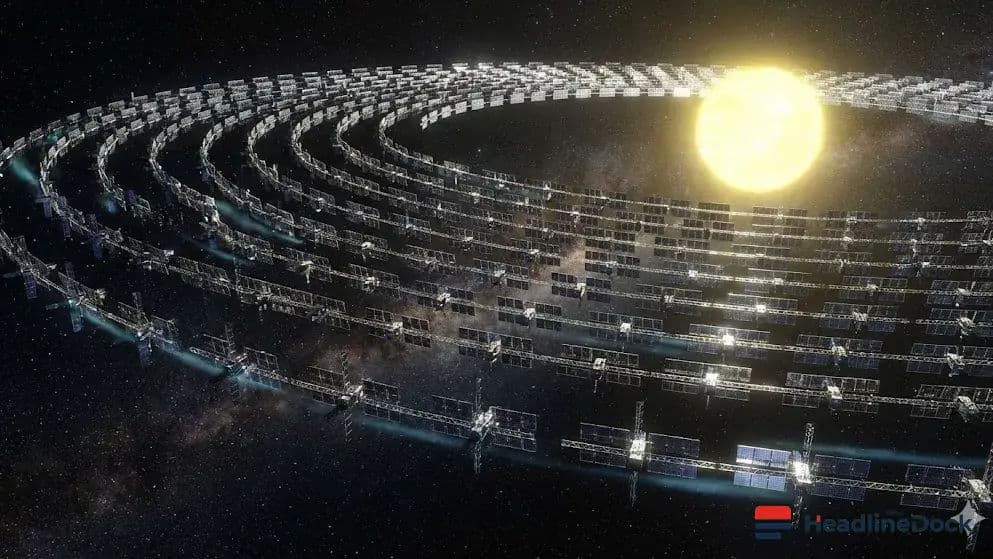
Building orbital data centers is a concept that appears increasingly attractive as the demand for computing power, particularly for artificial intelligence, reaches unprecedented levels. Proponents of this technology suggest that moving data processing infrastructure into space could bypass the significant environmental, land, and power constraints currently affecting Earth-based facilities. However, transforming this theoretical vision into a functional reality involves surmounting substantial technical and engineering hurdles.
The Engineering Challenges of Space-Based Computing
Operating an industrial-scale server facility in the harsh environment of outer space is drastically different from managing one on the ground. SpaceX and other industry players are exploring the feasibility of these systems, yet the physical realities remain daunting. Components in orbit must endure intense solar radiation, which can easily damage sensitive electronics. Furthermore, managing the massive thermal output generated by high-density servers is remarkably complex. Unlike terrestrial systems that utilize air or water for cooling, hardware in the vacuum of space must rely on radiation to dissipate heat, requiring vast, lightweight radiator surfaces to prevent catastrophic system failures.
Beyond thermal management, the physical infrastructure requirements are equally challenging. Launching massive amounts of equipment into orbit is prohibitively expensive, and the ongoing need for maintenance or hardware refreshes introduces significant logistical bottlenecks. Because components eventually require replacement or upgrading to keep pace with technological advancements, the inability to easily access and service these systems in orbit poses a critical economic problem. There is also the growing concern regarding space debris and micrometeorites, which threaten the physical integrity of orbital assets and could create further hazards for other satellites.
Feasibility and Early Applications
While the vision of massive space-based computing hubs is ambitious, it is unlikely to replace terrestrial data centers in the near future. Many essential applications, such as financial trading or real-time AI services, require extremely low latency, which is inherently difficult to achieve through space-to-ground communication links. Instead, the initial deployment of orbital data centers will likely focus on specialized tasks that are less sensitive to time delays.
Experts suggest that the first viable operations will likely prioritize space-based customers. This includes processing large volumes of data from Earth-observation satellites, managing military and intelligence assets, or providing compute power for deep-space scientific missions. As companies like SpaceX continue to develop hardware such as the AI1 Compute Satellite, the focus remains on incremental progress. Ultimately, the industry must determine if the benefits of bypassing local zoning and environmental opposition on Earth outweigh the extreme financial and engineering costs associated with maintaining a sustainable, industrial-scale computing presence in the orbit around our planet.
,curated_key_highlights:[