What Would Extraterrestrial Life Eat if They Landed on Earth?
As public interest in extraterrestrial life grows, scientists analyze what aliens might eat if they visited Earth. By applying metabolic principles, experts evaluate the energy needs and potential biological incompatibilities an alien visitor would face in our environment.
Highlights
- •Scientists use biological metabolic models like Kleiber’s law to estimate the energy requirements of potential extraterrestrial visitors.
- •An alien's diet would depend heavily on its physiology, ranging from carbon-based biological structures to synthetic, energy-recharging entities.
- •Earth's resources might be toxic or incompatible with alien biochemistry due to different evolutionary paths and amino acid structures.
- •Expert analysis suggests that future contact would require 'alien nutritionists' to ensure the safety of both the visitors and Earth’s ecosystems.
As discussions surrounding potential extraterrestrial life capture public imagination, experts are exploring the scientific possibilities of how visitors from another world might sustain themselves on Earth. While there is no concrete evidence that aliens have ever visited our planet, researchers use biological frameworks to speculate on their potential nutritional requirements.
The Science of Alien Metabolism and Energy Needs
To understand what an extraterrestrial visitor might consume, scientists apply the principles of metabolism. Just as terrestrial animals require energy based on their body mass and activity levels, an intelligent being would follow similar biological constraints. Using Kleiber’s law as a guideline, a 70-kilogram organism would likely require roughly 1,700 kilocalories daily for basal functions, such as organ maintenance and temperature regulation. However, these energy needs would escalate significantly if the visitor engaged in physical activities like travel or exploration.
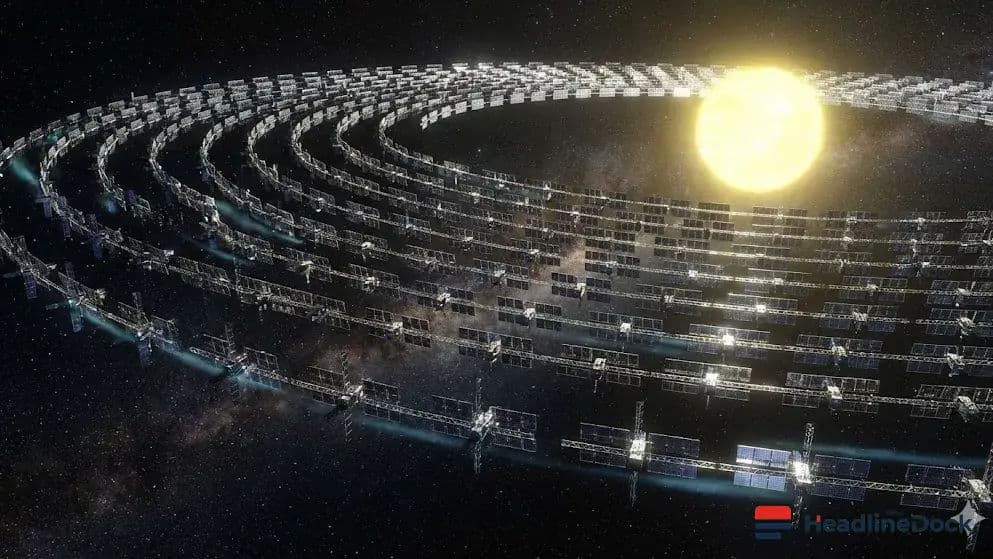
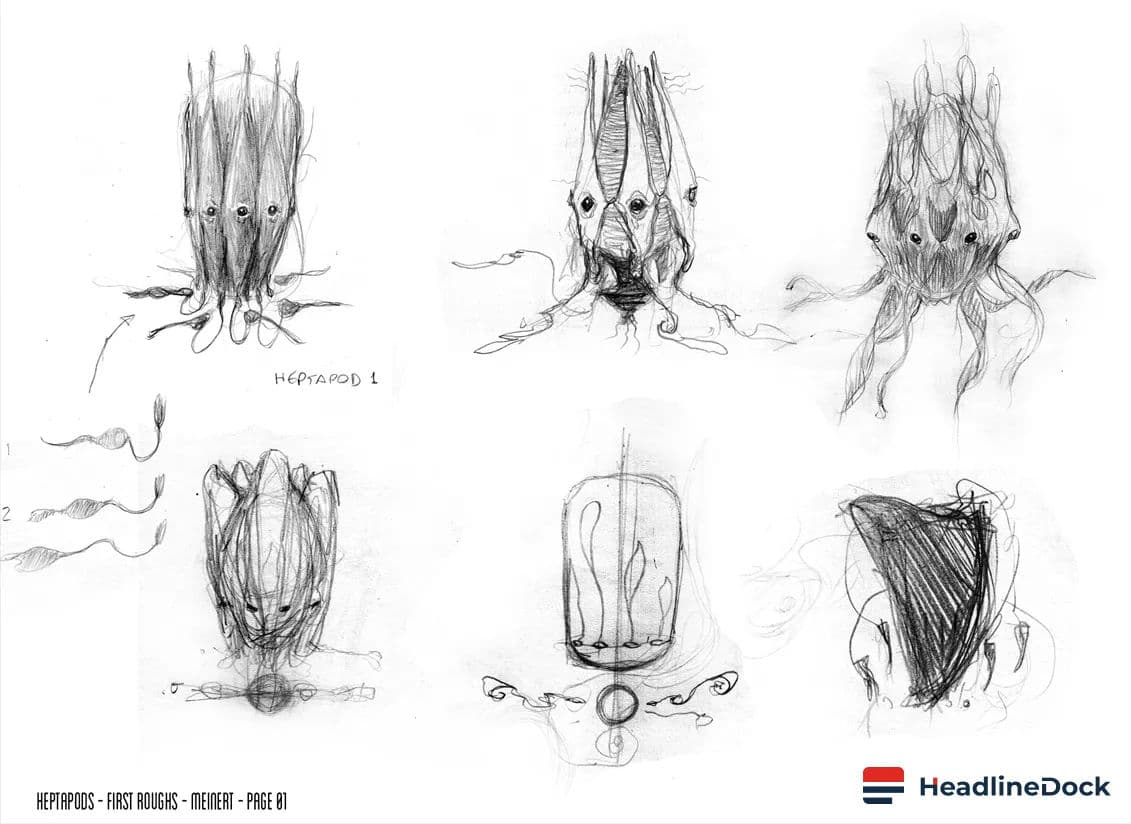
The form of an extraterrestrial would dictate its specific diet. A slender humanoid might require a high-energy intake to fuel a large brain, whereas a reptilian-like creature, if ectothermic, could potentially operate on much less energy. Conversely, a synthetic or robotic entity would shift the definition of sustenance entirely, relying on electricity or chemical fuel rather than organic matter. Such post-biological entities would bypass traditional eating habits, requiring charging infrastructure instead of a food supply.
Would Earth Offer a Safe Buffet?
If aliens arrived, they would face a complex chemical environment. While Earth provides essential elements like water, nitrogen, and carbon, our planet’s food might be physiologically incompatible. Terrestrial proteins and sugars could be useless if the alien’s biochemistry relies on different amino acids or metabolic pathways. Furthermore, there is the potential danger posed by Earthly microorganisms, a scenario famously explored in literature where biological defenses against local germs become the deciding factor for survival.
Ultimately, the notion of aliens sampling Earth’s resources—sometimes depicted in fiction as the abduction of cattle—could be re-envisioned as a complex process of nutritional and environmental assessment. Beyond simple survival, astrobiology suggests that true communication with such beings would require more than just technical experts; it would necessitate specialized alien nutritionists capable of determining which molecules are safe and how to sustain a non-terrestrial life form without compromising the local ecosystem.
The exploration of this topic underscores that nutrition is not merely about calories but is a profound science of interaction between an organism and its environment. Whether biological or synthetic, any visitor would need to navigate the physical realities of Earth, illustrating that even in the vastness of the universe, the basic requirements of life follow universal laws of energy exchange.