Private Space Tourism Soars While Global Space Laws Remain Trapped in the Past
Private space tourism is witnessing a surge in growth, yet remains plagued by outdated 1960s legal frameworks. The lack of binding safety and environmental regulations raises serious questions about equity, accountability, and the long-term sustainability of commercial spaceflight for the ultra-wealthy.
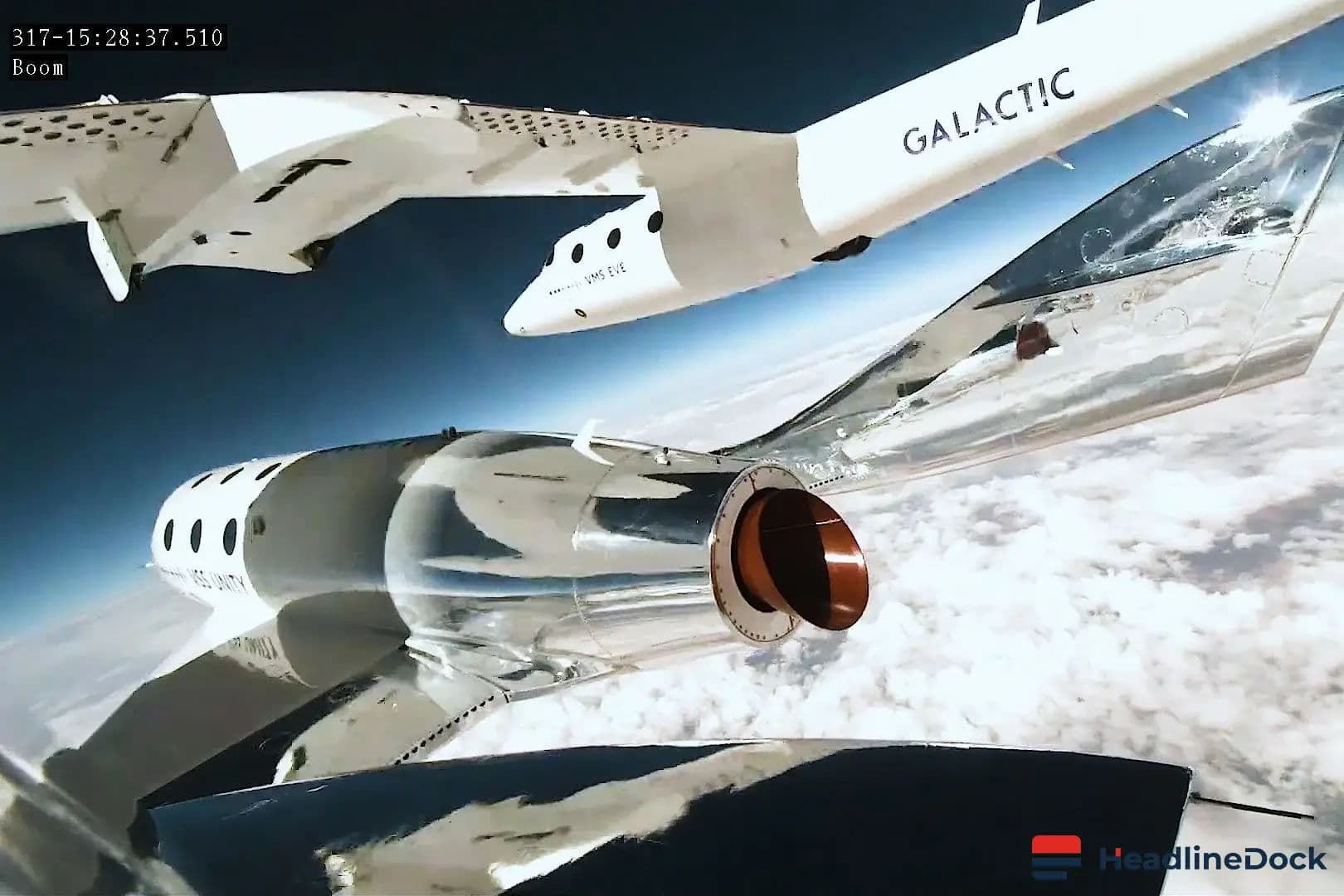
Highlights
- •Private space tourism is expanding rapidly, but international law still relies on outdated 1960s-era treaties.
- •A significant regulatory gap exists, as no binding global safety standards currently govern private passenger missions.
- •Commercial spaceflight faces increasing criticism for its high environmental cost, including upper-atmosphere pollution and ozone damage.
- •Critics argue that current space tourism serves as a luxury for the ultra-rich rather than promoting humanity's benefit.
The rise of private space tourism is fundamentally shifting the landscape of extraterrestrial travel, yet the governance of these missions remains tethered to outdated legal frameworks. As commercial entities like Blue Origin ramp up their launch schedules and offer high-priced flights to the edge of space, the disparity between rapid industrial growth and stagnant international regulation has become increasingly apparent.
The Legal Vacuum in Space Exploration
Although the 1967 Outer Space Treaty defines space as the province of all humanity, it was drafted for a mid-20th-century era of state-led exploration rather than modern billionaire-led luxury excursions. Currently, there is no centralized enforcement authority, leaving states to rely on diplomatic pressure and basic supervision of launches originating from their territory. This lack of a binding international code means that space tourism operates largely within a legal vacuum, where safety standards and accountability remain optional rather than mandatory.
In the United States, the Federal Aviation Administration oversees launch licensing, but congressional restrictions have prevented the implementation of comprehensive passenger safety regulations. This regulatory moratorium, currently extending until 2028, effectively prioritizes industrial expansion over stringent safety protocols for private participants. With orbital flight prices often exceeding US$55 million per seat, the industry remains an exclusive domain for the ultra-wealthy, far removed from the concept of democratized space access.
Environmental and Ethical Challenges
Beyond the lack of safety rules, the environmental impact of commercial space travel is a growing concern for climate scientists. While some operators promote hydrogen-fueled, reusable systems, the reality of high-altitude emissions is problematic. Research indicates that rocket soot and other pollutants released during launch and re-entry warm the atmosphere more efficiently than ground-based aircraft, potentially damaging the ozone layer and contributing to climate instability.
A 2025 study highlighted that suborbital tourism generates significantly higher carbon dioxide levels per passenger than traditional commercial aviation. Given these factors, there is an urgent need for states to modernize their oversight. Future regulations must move beyond simple local noise or land-use permits to address upper-atmosphere pollution and cumulative effects of frequent launches.
For space tourism to align with the original promise that outer space belongs to everyone, it must transition from a weakly regulated spectacle to a transparent, equitable, and environmentally responsible sector. Without binding rules on safety, pollution, and benefit-sharing, the commercialization of the final frontier risks deepening global inequalities while failing to serve the broader interests of humanity.