Iran Closes Strait of Hormuz Amid Ongoing Tensions and Peace Talks
Iran has declared the Strait of Hormuz closed to shipping, citing Israeli ceasefire violations. Despite this move, Tehran is dispatching a delegation to Switzerland for peace talks with the US, as energy markets face ongoing volatility and uncertainty regarding safe transit.

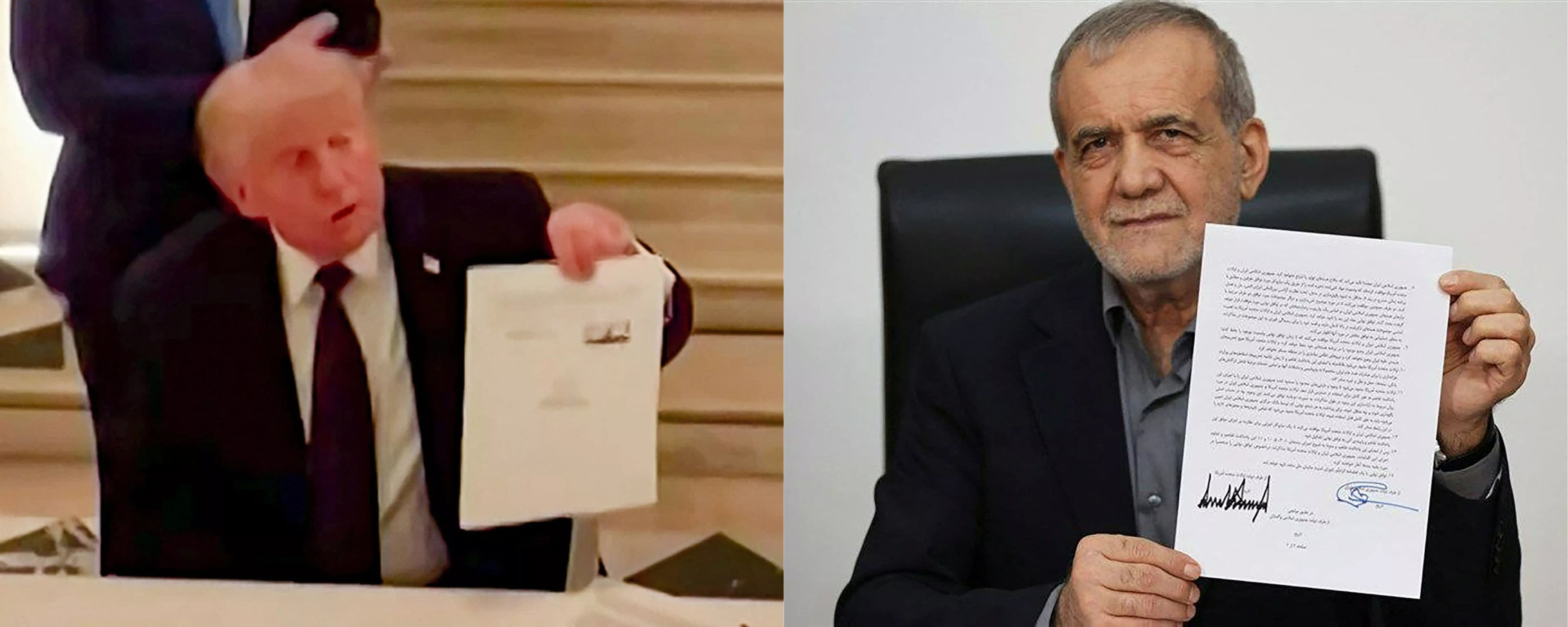
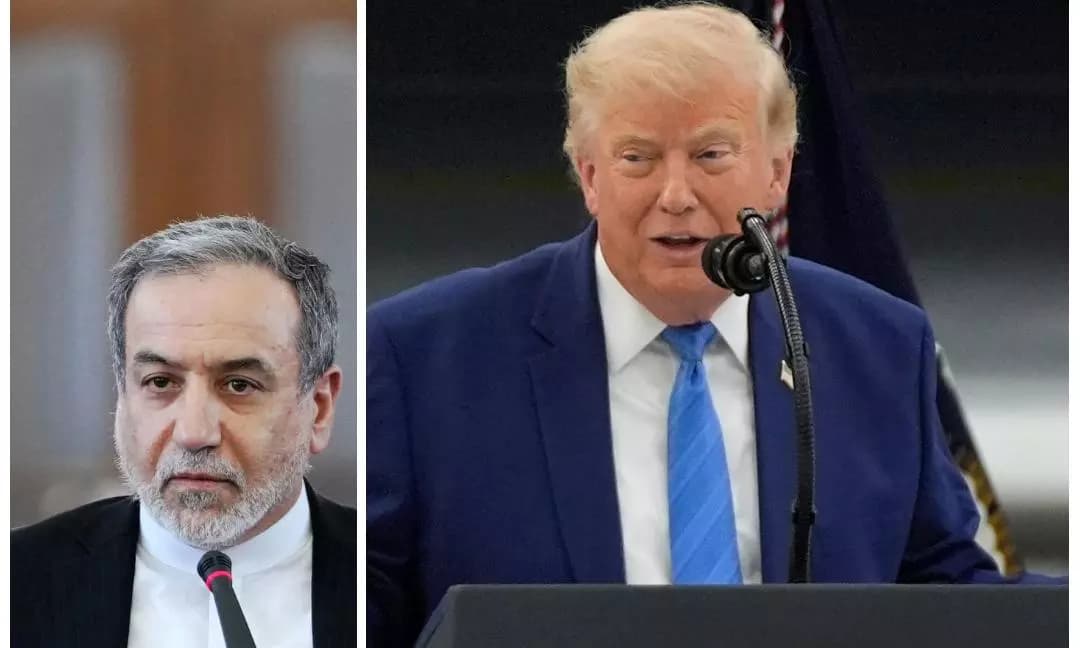
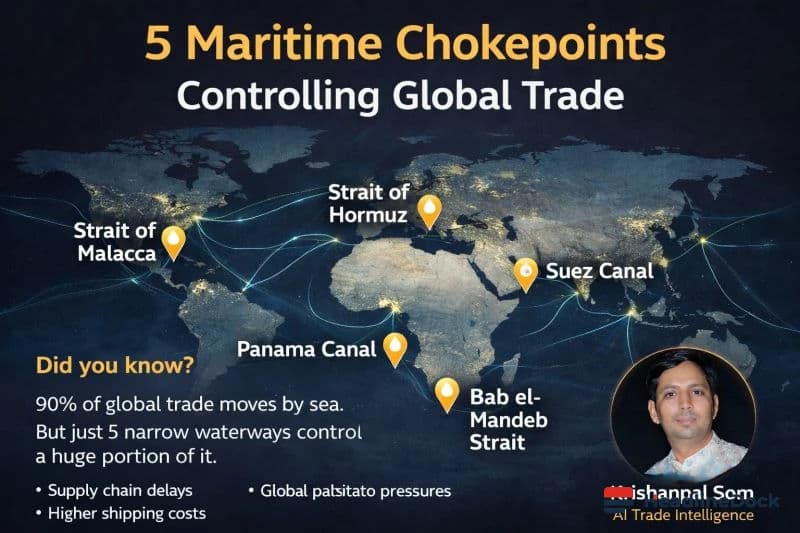
Iran has officially announced the closure of the Strait of Hormuz to all shipping traffic, citing what it describes as a breach of the ceasefire agreement by Israel. This strategic maritime artery, which typically handles approximately one-fifth of global oil shipments, has become a focal point of heightened tensions in the region. Despite this declaration, Tehran is simultaneously moving forward with diplomatic efforts, dispatching a negotiating team to Switzerland for high-level peace discussions with the United States.
Strait of Hormuz Tensions and Diplomatic Negotiations
The joint military command of Iran stated that the decision to obstruct the Strait of Hormuz serves as an initial retaliatory measure against ongoing military actions by Israel in southern Lebanon. These developments have introduced significant uncertainty for energy traders and international shipping companies, many of whom are closely monitoring the viability of safe passage through the waterway. The Strait of Hormuz crisis has persisted despite a broader interim peace deal finalized between the US and Iran earlier this week, which initially saw a surge in traffic before market sentiment soured due to renewed hostilities.
In Washington, Vice President J.D. Vance addressed the escalating situation, expressing optimism regarding the longevity of the ceasefire and the potential for productive negotiations. While acknowledging the reports regarding the closure, Vance noted that the United States has yet to observe definitive evidence that Iran is successfully enforcing a complete shutdown of the passage. Meanwhile, the Joint Maritime Information Center has provided guidance to merchant vessels, suggesting that transit remains possible along a southern route near the coast of Oman, even as commercial operators remain wary of the conflicting directives issued by Tehran.
The logistical landscape of the Strait of Hormuz remains volatile, characterized by significant navigational challenges, including electronic jamming and spoofing that complicate the tracking of vessels. Some oil supertankers have attempted to navigate the area with satellite signals activated, while others have opted to transit quietly under the cover of night. As global markets assess the impact of these disruptions, crude oil prices continue to reflect significant volatility, currently trading substantially lower than their peak levels recorded during the height of the conflict. The ability to safely reopen the Strait of Hormuz remains a critical factor for international energy security.
,curated_key_highlights:[