Cracks in European Unity Emerge Over Ukraine and Regional Security
Cracks in European unity are surfacing as leaders navigate uncertain security arrangements and shifting geopolitical dynamics. While G7 nations pledge support for Ukraine and a ceasefire in Iran, regional disagreements and private business interests continue to complicate international relations and defense coordination.

Highlights
- •European unity faces pressure over divergent views on security and defense strategies.
- •Recent G7 talks in Versailles focused on Ukraine aid and Iran ceasefire developments.
- •US envoys' business interests spark civil unrest in Albania over coastal development.
- •Experts warn the US-Iran-Israel cycle of conflict remains unresolved and volatile.
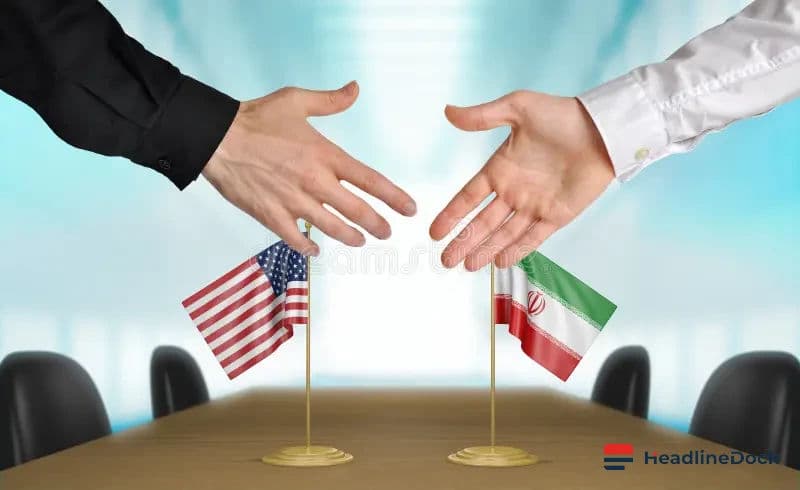
Emerging divisions regarding European unity and regional security strategies have come into sharp focus following the recent G7 summit in Versailles. While the 60-day ceasefire impacting Iran and southern Lebanon was hailed as a significant diplomatic achievement, the underlying tensions within Europe regarding its collective defense posture remain a critical concern.
The summit on June 17, which saw Donald Trump sign a memorandum of understanding, momentarily masked deeper friction among allied nations. Although G7 leaders successfully encouraged the US president to maintain alignment on the war in Ukraine, this stability appears fragile. European member states have pledged increased military support for Ukraine through the winter, with Donald Trump offering a backstop to these initiatives. However, the collaborative efforts are underscored by increasing anxieties about whether European nations can effectively manage their security independently as the United States potentially reduces its involvement in the region.
Challenges to European Unity and Defense
Internal disagreements over how to present a cohesive stance against Russia have further complicated the pursuit of European unity. The decision by Germany to withdraw from a planned joint Franco-German project to develop advanced warplanes highlights the competitive nature of defense leadership within the continent. This shift is occurring alongside broader concerns about the evolving diplomatic style of Donald Trump, which has prompted European leaders to adapt their own strategies to manage a less predictable international environment.
Compounding these geopolitical complexities are the parallel business interests pursued by key US envoys such as Jared Kushner and Steve Witkoff. In Albania, a proposed coastal development project on the Zvërnec coastline linked to Kushner has ignited widespread public protest. These demonstrations have transformed into a significant anti-government movement, challenging the administration of Albanian prime minister Edi Rama, despite any direct evidence of official corruption related to the specific project.
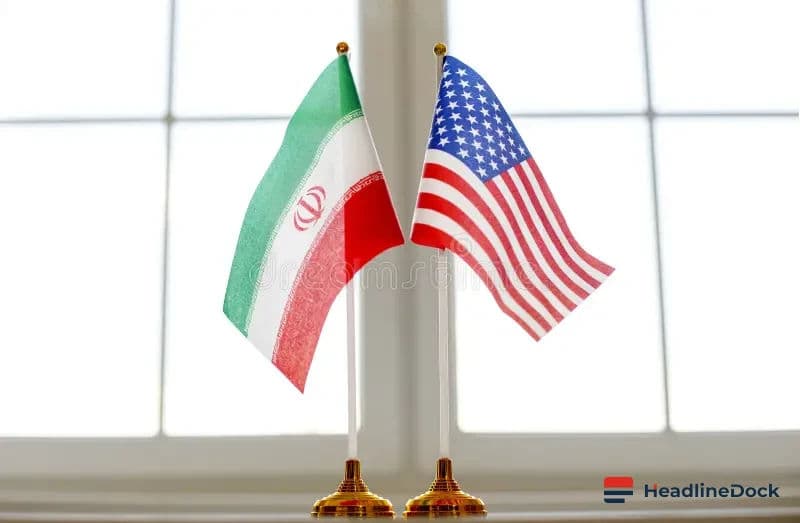
Furthermore, the Iran ceasefire deal itself faces scrutiny. Critics, including many within the Republican party and in Israel, have questioned the long-term effectiveness of the agreement. Experts in foreign relations suggest that the situation creates a difficult cycle for the United States. Israel maintains its right to respond to Hezbollah, yet such actions often trigger threats from Iran to disrupt the Strait of Hormuz. As the region oscillates between confrontation and potential accommodation, experts warn that the underlying drivers of the conflict remain largely unaddressed. Moving forward, the Islamic Republic is expected to continue its influence through regional proxies and non-traditional tactics, further testing the cohesion of global alliances.