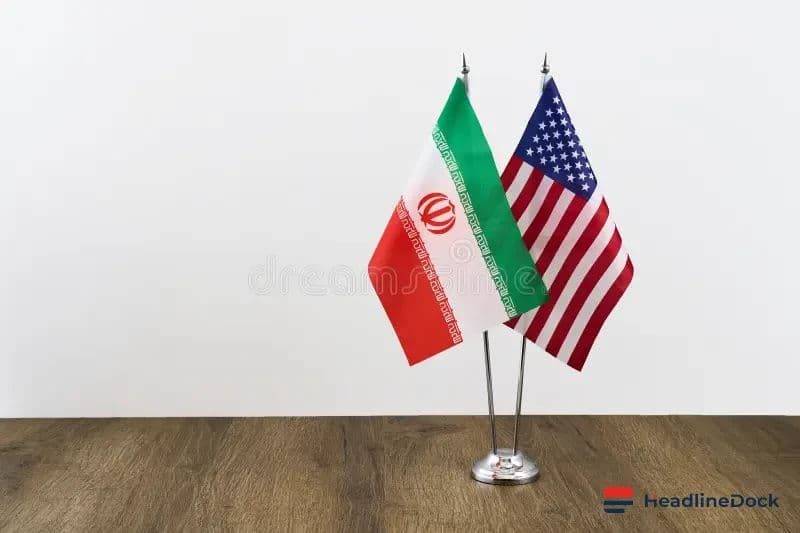
Trump Firmly Rejects Shipping Fees in the Strait of Hormuz during Iran Negotiations
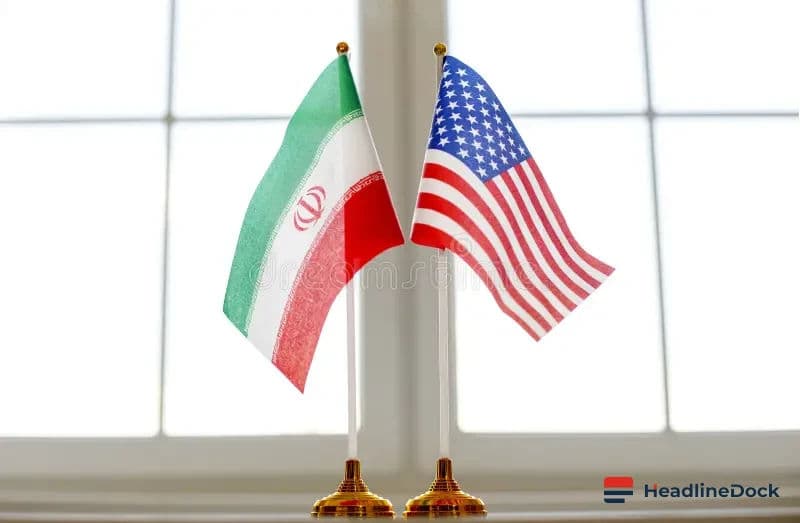
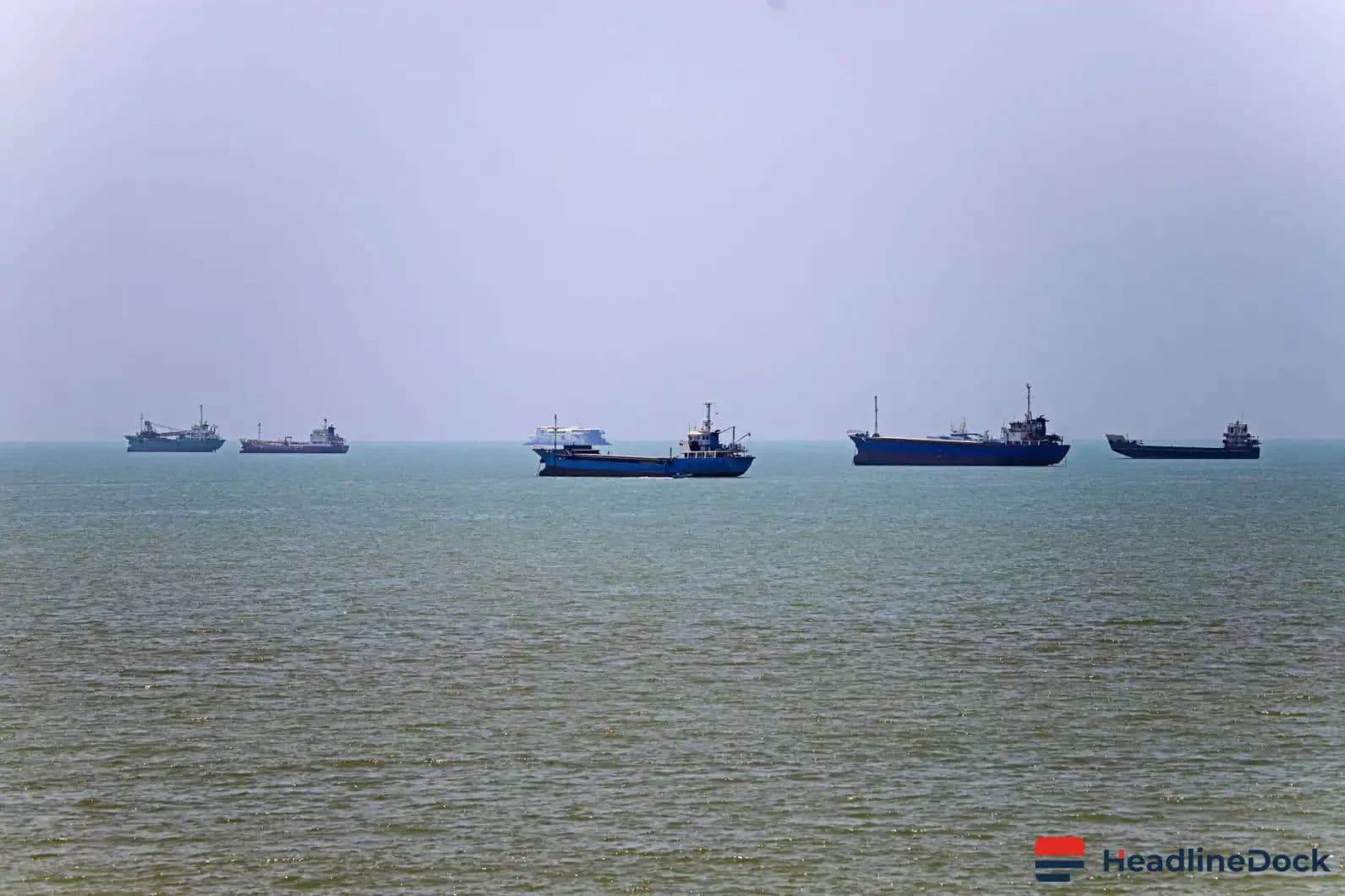
President Donald Trump has firmly rejected the implementation of shipping fees within the Strait of Hormuz, labeling them unacceptable. As negotiations with Iran progress, the administration is focusing on strategic regional stability while oil prices trend downward to near USD 70 per barrel.
Highlights
- •President Donald Trump stated that shipping fees in the Strait of Hormuz are unacceptable.
- •Trump emphasized that such fees would set a negative precedent for international maritime transit.
- •Official reports indicate global oil prices have declined to approximately USD 70 per barrel.
- •Iran's Foreign Ministry claims regional peace is unattainable due to continued American military interventionism.
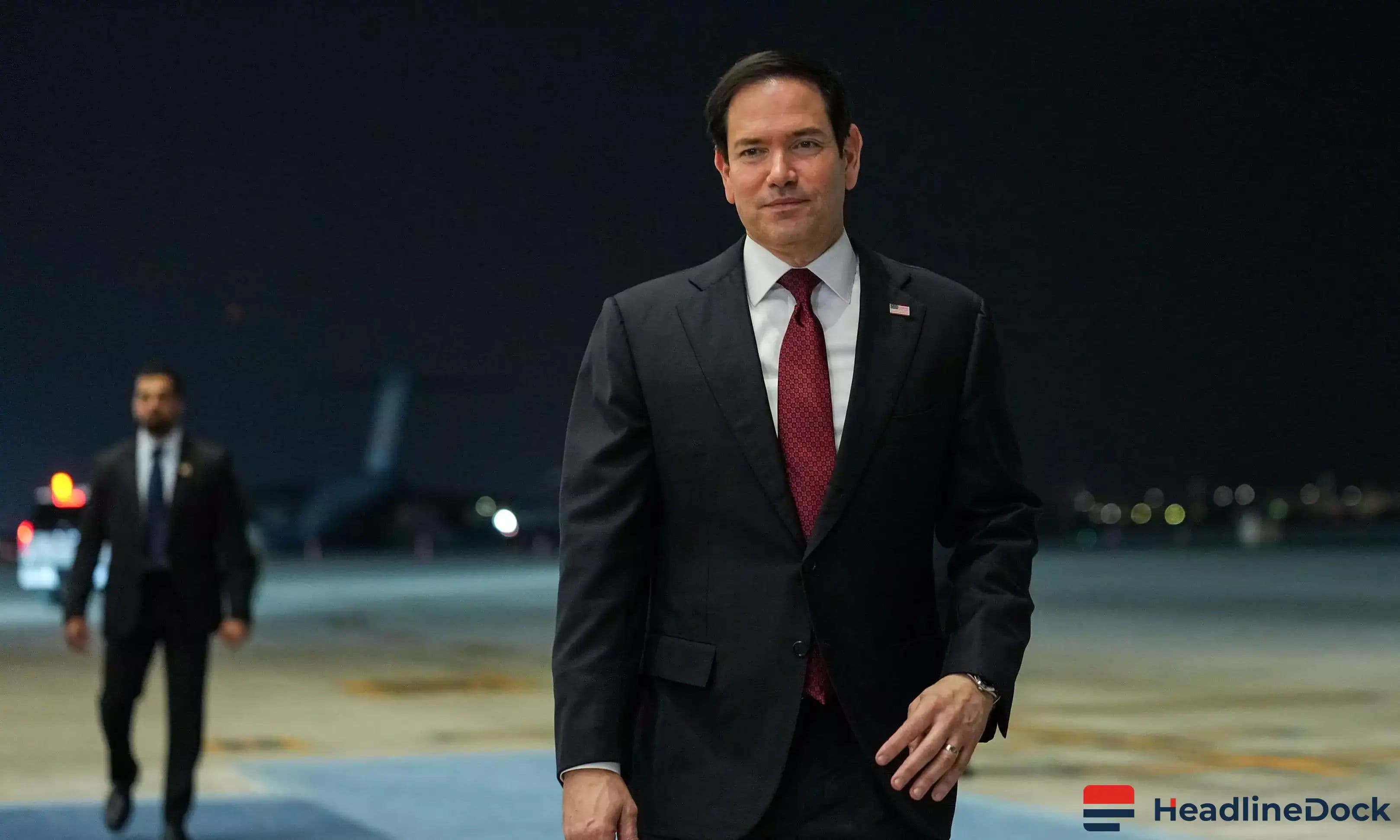
United States President Donald Trump has categorically rejected the possibility of any future agreement with Iran involving the imposition of fees on maritime transit through the Strait of Hormuz. During a meeting held in Washington DC with Mark Rutte, the president emphasized that such financial provisions would be deemed completely unacceptable and described them as a potential game changer for any diplomatic negotiations.
Addressing the media, Donald Trump noted that permitting fees for transit through one strategic chokepoint would set a problematic precedent that could theoretically be applied elsewhere. He clarified that he would not permit such measures in any other international straits either. His remarks were made in response to questions regarding whether he would block a definitive deal with the Iranian government if it featured clauses pertaining to shipping levies.
Evaluating the Iran Conflict and Economic Implications
Reflecting on the ongoing Strait of Hormuz maritime discussions, Donald Trump expressed confidence in the current progress of negotiations. He characterized the diplomatic process as yielding powerful results, asserting that Iran is currently offering significant concessions. Furthermore, the president commented on recent fluctuations in global energy markets, noting that oil prices have recently dropped to approximately USD 70 per barrel—a level not observed since the commencement of the current conflict.
The administration highlighted these price shifts as a significant development, especially given the context of active regional tensions. Donald Trump indicated that Iran appears to be complying with his requirements during these discussions, suggesting that continued pressure remains a core part of his strategy. He stated that if circumstances were to change, the United States would revert to its previous tactical approach to ensure regional security.
Conversely, Iran has maintained a critical stance regarding foreign involvement. Esmaeil Baqaei, the spokesperson for the Iranian Foreign Ministry, responded to a recent post by the United States Department of State on the social media platform X. Baqaei argued that achieving lasting peace within the region is impossible while American interventionism and militarism persist. He further alleged that the presence of occupying proxies continues to contribute to ongoing violence and regional instability. This exchange underscores the persistent divide between the two nations despite the ongoing high-level negotiations, even as market indicators suggest a slight cooling in certain economic aspects of the Iran conflict.