UN Watchdog to Resume Iran Nuclear Inspections Following New Interim Accord
The IAEA is preparing to resume nuclear inspections in Iran following a recent interim US-Iran peace agreement. However, Tehran maintains that full access to sensitive facilities remains contingent on the finalization of negotiations and the lifting of international sanctions.

Highlights
- •IAEA chief Rafael Grossi confirmed that nuclear inspections in Iran are set to resume soon under a new interim agreement.
- •The agreement follows a 14-point memorandum signed between the US and Iran aimed at de-escalating long-standing nuclear tensions.
- •Tehran has linked future access to sensitive nuclear sites to the successful lifting of US sanctions and a finalized comprehensive deal.
- •The IAEA is specifically focused on monitoring Iran's stockpile of highly enriched uranium, currently stored in various facilities.
The United Nations nuclear watchdog is preparing to resume Iran nuclear inspections following a recent interim peace agreement reached between Iran and the United States. Rafael Grossi, the director-general of the International Atomic Energy Agency (IAEA), confirmed on Wednesday that monitoring activities are set to commence soon, although specific operational details remain under negotiation.
This development follows the signing of a 14-point memorandum of understanding last week, which established a preliminary framework aimed at de-escalating tensions. The agreement has initiated a 60-day window for intensive discussions to resolve complex issues, particularly those concerning the nation's nuclear program. While the IAEA leadership expressed confidence that supervision would move forward, Tehran has introduced certain conditions regarding site access.
Navigating Modalities and Enrichment Concerns
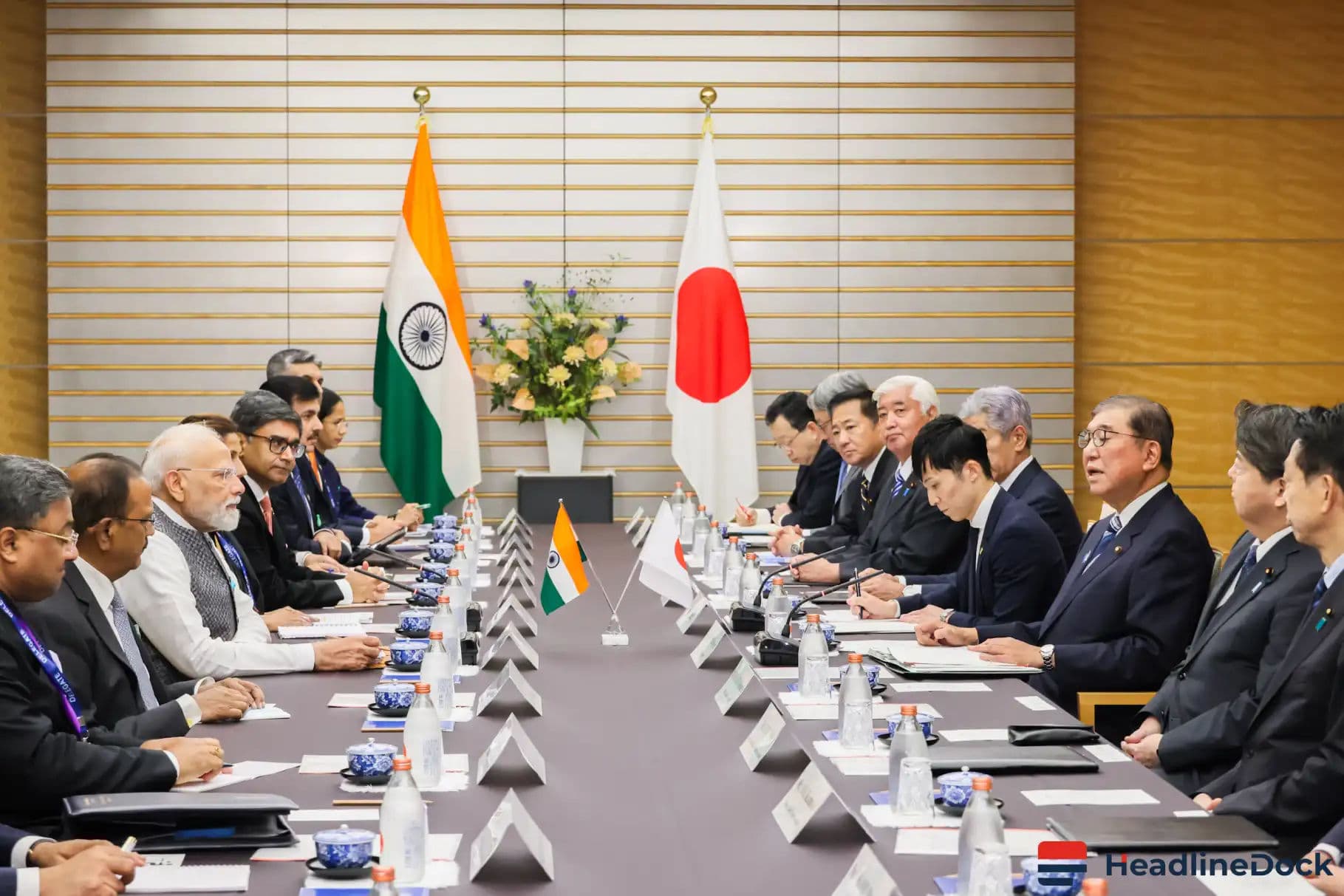
During a press conference held in Japan, Rafael Grossi stated that the agency would soon define the necessary modalities, including timelines, procedural steps, and specific locations for inspection. A critical focus of these upcoming discussions involves the management of highly enriched uranium. Currently, Iran possesses material enriched up to 60% purity, a level that remains just below the threshold for weapons-grade material.
Grossi emphasized that the memorandum explicitly mandates IAEA supervision over nuclear activities and facilities. He maintained that while the exact timing—whether in a few days or weeks—is less vital than the commitment itself, the agency intends to fulfill its oversight mandate, provided Tehran adheres to the agreed-upon terms.
However, the path forward appears complicated. Kazem Gharibabadi, the deputy foreign minister of Iran, stated that access to certain facilities or materials is not currently planned. He indicated that such permissions are strictly tied to the successful conclusion of a final agreement with Washington, specifically contingent upon tangible actions toward lifting existing international sanctions.
Status of Sensitive Sites
The oversight of Iran nuclear inspections has been erratic since various sensitive sites were targeted by military actions in June of last year. Although the IAEA has maintained access to some locations, monitoring at key sensitive sites was suspended following subsequent regional attacks on February 28.
Estimates from the IAEA suggest that approximately 440.9 kg of uranium enriched to 60% existed prior to the initial attacks in June 2025. Furthermore, agency assessments indicate that over 200 kg of this material is held within a tunnel complex in Isfahan. While this facility sustained damage from regional military strikes, it reportedly remains largely intact, making it a focal point for future inspection efforts once terms are finalized.
,curated_key_highlights:[