Iran Declares West Asia Peace Deal a Definitive United States Defeat
Iran has declared the recent West Asia peace agreement a victory over the United States. As US Secretary of State Marco Rubio engages in diplomatic talks across the Gulf, critical issues regarding regional security and maritime transit remain major points of contention.
Highlights
- •Iran characterizes the recent West Asia peace deal as a strategic defeat for the United States.
- •US Secretary of State Marco Rubio is touring Gulf nations to discuss the implications of the US-Iran memorandum.
- •The agreement fails to address long-standing regional concerns regarding Iran's missile program and regional proxy activities.
- •Tehran asserts that regional security should be managed by local nations rather than external powers.
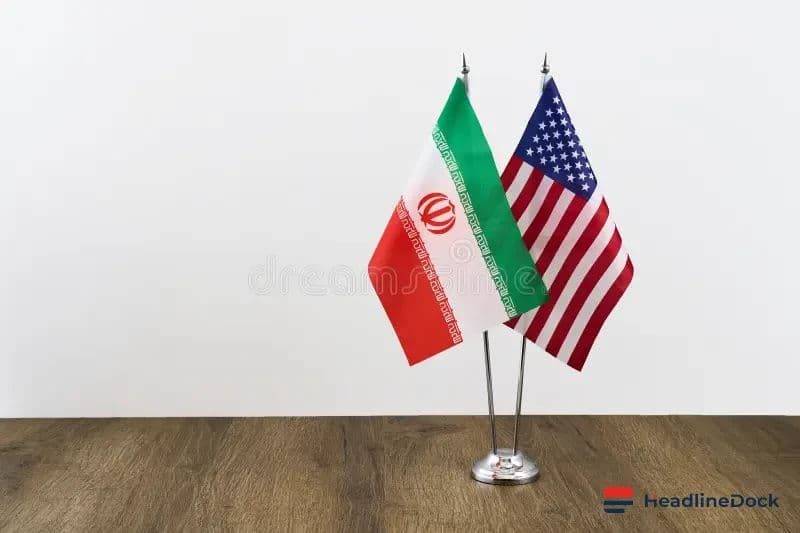
In a significant geopolitical shift, Iran has officially labeled the recently established deal aimed at concluding the conflict in West Asia as a definitive declaration of United States defeat. This declaration surfaced on Wednesday, shortly after a high-ranking US diplomat began a diplomatic tour of various Gulf nations, a region that experienced severe impacts from tensions involving Tehran.
The hostilities, which commenced following an intensive US-Israeli campaign of strikes against Iran on February 28, concluded with an agreement that the Islamic Republic leadership is actively framing as a strategic victory. Throughout the duration of the conflict, the region faced widespread instability as Tehran responded to its adversaries by implementing a blockade on a critical maritime route used for energy logistics and launching thousands of projectiles toward neighboring Gulf states.
The Diplomatic Landscape and Regional Security
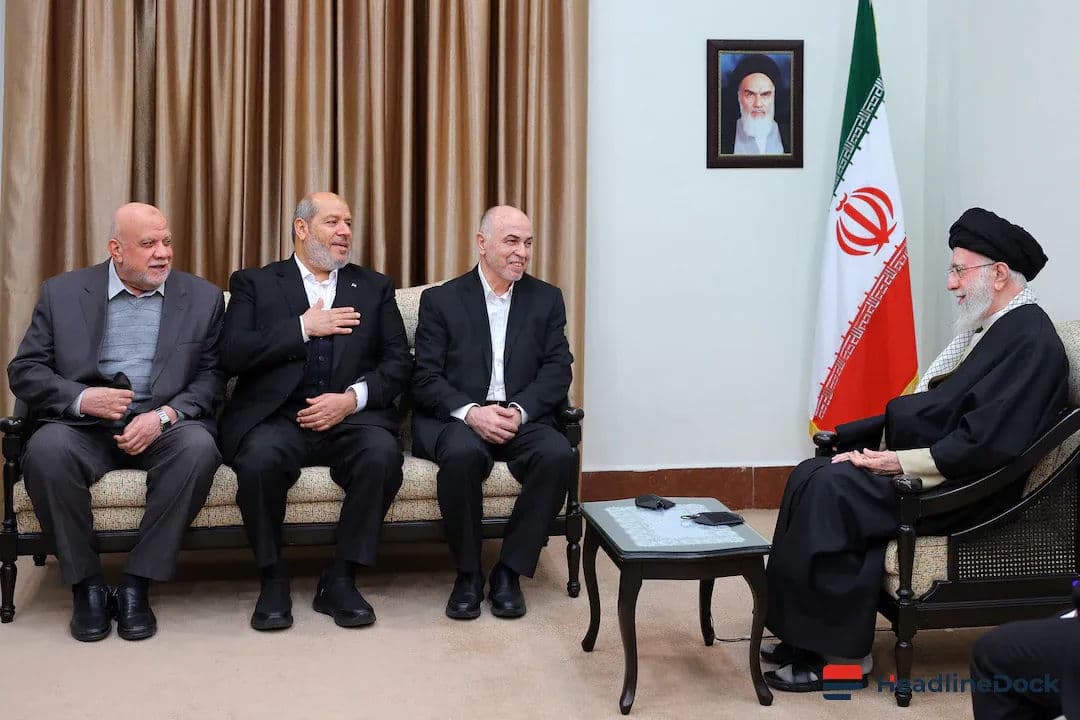
Following the signing of the agreement last week, both the United States and Iran have initiated a framework designed to secure a long-term settlement. While the leadership structure in Iran underwent significant transformation, the overarching system of governance remains firmly in place. Mohammad Bagher Ghalibaf, the top negotiator for Iran, characterized the agreement, which was facilitated through Pakistan, as a triumph of resistance rather than a result of foreign coercion. He emphasized that regional security should be managed exclusively by the nations located within the area.
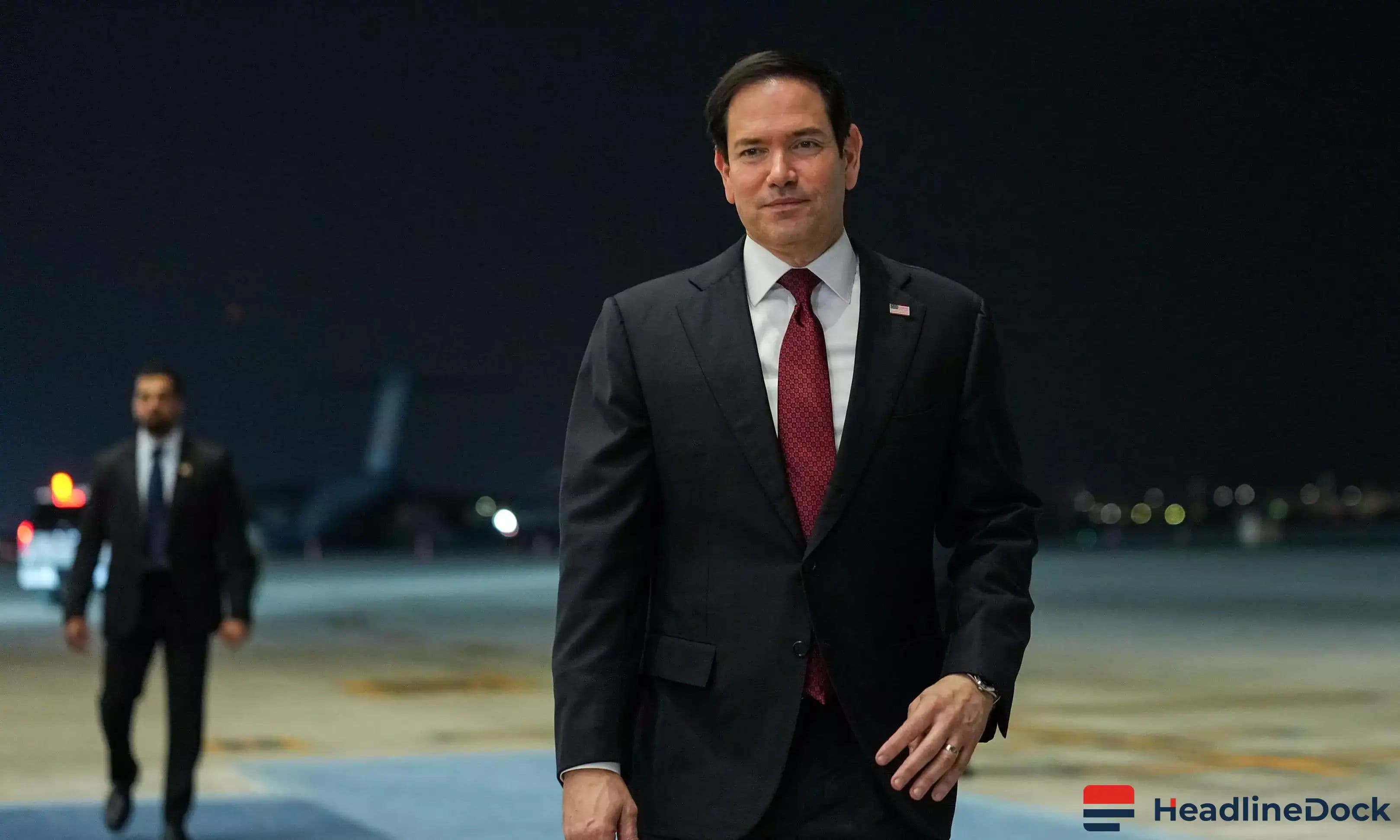
During his regional tour, US Secretary of State Marco Rubio arrived in the United Arab Emirates to hold confidential discussions with Sheikh Mohamed bin Zayed. His itinerary also includes travel to Kuwait and Bahrain, where he is set to participate in a Gulf Cooperation Council assembly. Rubio noted that he intended to engage with regional leaders regarding the US-Iran memorandum. Concerns remain high among Gulf nations and Israel regarding Iran's missile programs and its proxy network, neither of which are covered by the current agreement.
Rubio further reinforced the US stance on maritime freedom, asserting that no nation possesses the authority to levy tolls on the Strait of Hormuz. This statement followed reports that Oman and Iran were exploring the possibility of imposing costs for the passage of oil and gas shipments. Despite the US emphasis on international law, Iran remains steadfast, with Ghalibaf suggesting that Gulf countries would benefit more from prioritizing regional coexistence and interaction over alignment with western powers. Additionally, Tehran continues to maintain that stability in Lebanon remains a fundamental component of achieving a definitive final agreement.