Internal Factions Diverge: Inside Iran’s Political Battle Over New US Deal
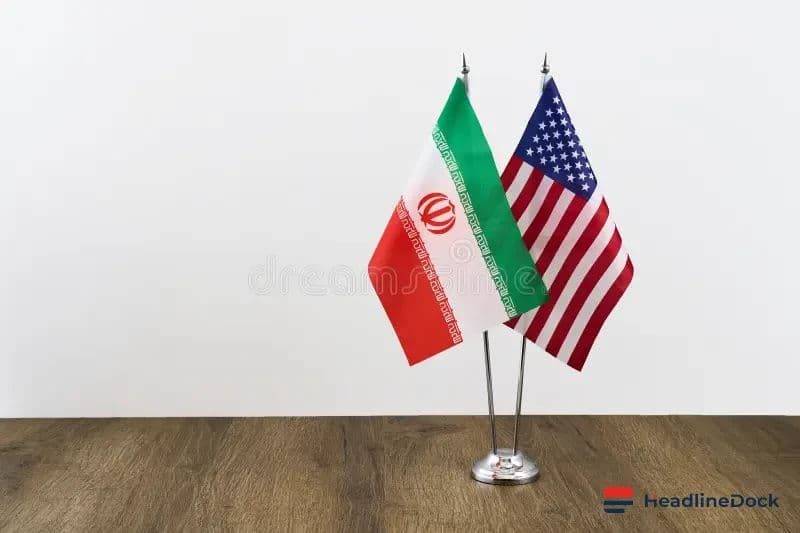
Divisions within Iran over a potential new US deal have surfaced, yet analysts indicate these factions lack the strength to stop ongoing negotiations. Facilitated by international partners, talks aim to resolve tensions despite ongoing regional complexities and domestic political skepticism in both nations.
Highlights
- •Negotiations for a new US-Iran deal are ongoing in Switzerland following a recent ceasefire.
- •While some internal Iranian factions oppose the talks, analysts believe they lack the power to derail the process.
- •US leaders have signaled a shift in their view of the current Iranian administration, describing them as rational.
- •Iranian security officials have expressed support for the negotiators, suggesting a level of consensus within the government.
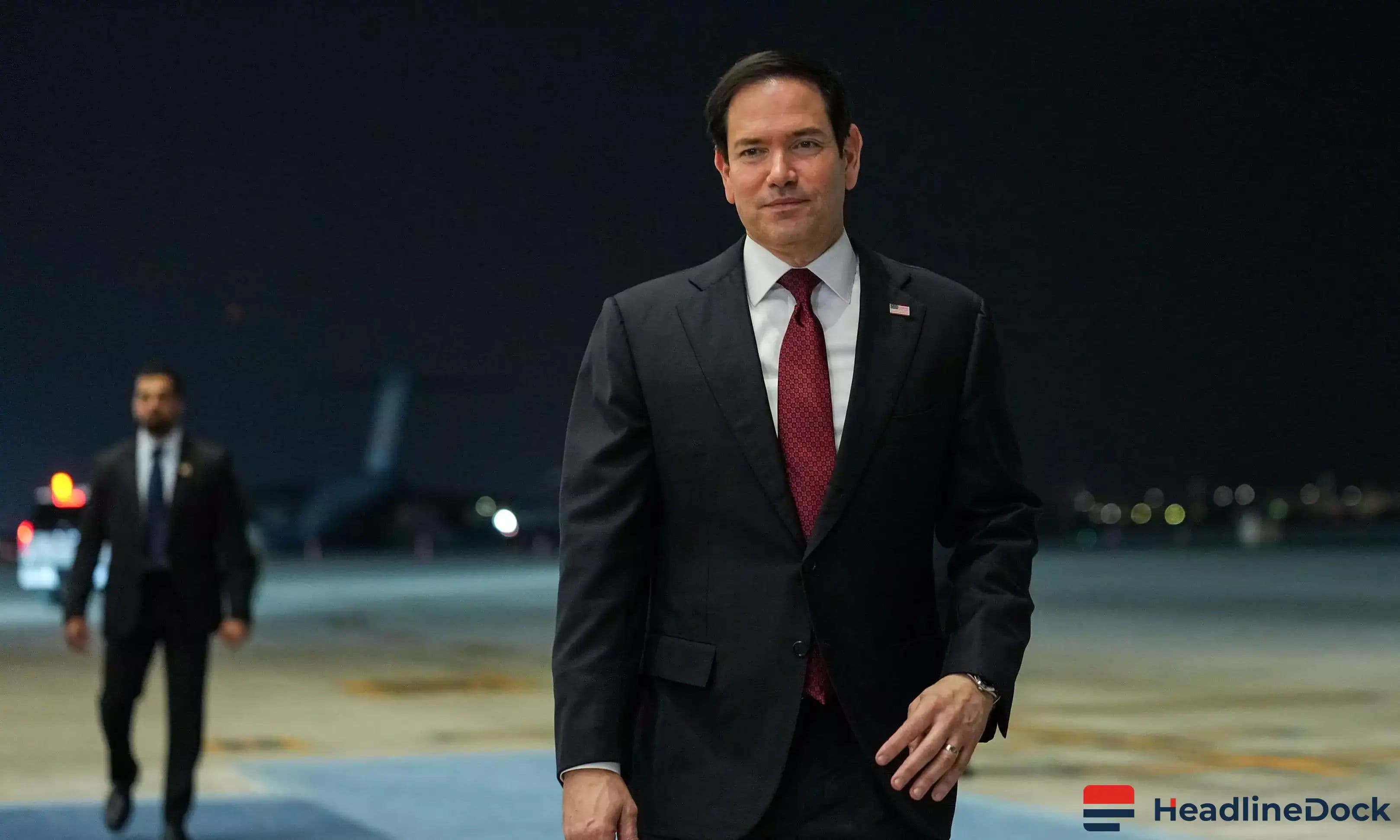
Internal divisions regarding a potential United States diplomatic deal have emerged within the hierarchy of Iran. Despite visible opposition from certain factions, analysts suggest these internal splits are unlikely to derail the ongoing negotiation process between the two nations. Following a five-week war that concluded with an agreement this month, US Vice President JD Vance and top Iranian negotiator Mohammad Bagher Ghalibaf engaged in discussions in Switzerland, facilitated by Qatar and Pakistan. This diplomatic effort seeks to establish a final framework for a new US-Iran deal.
The journey toward a resolution remains complex. Iran is acutely aware of its ability to influence the global economy through its control of the Strait of Hormuz, while President Donald Trump has signaled the possibility of renewed military action should the current talks collapse. While President Trump faces scrutiny from some domestic conservatives, Tehran is also experiencing pushback against the rapprochement with the United States, a nation historically viewed as a primary adversary since the 1979 revolution.
Navigating Internal Dissent and Negotiating Stability
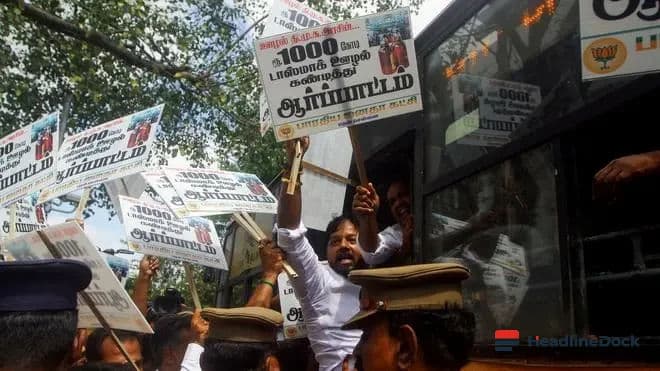
According to Arash Azizi, a lecturer at Yale University, there are indeed factions firmly opposed to compromising with the US. However, he assesses that these groups currently lack the necessary institutional power to effectively block or fundamentally alter the outcome of the negotiations. This internal resistance became public on June 13, when protesters gathered outside the Iranian foreign ministry in Mashhad to demonstrate against the diplomatic efforts led by Ghalibaf and Foreign Minister Abbas Araghchi.
Despite this, a consensus for engagement appears to be taking shape. Even among hardline segments of the security apparatus, there is notable support for the process. Esmail Qaani, head of the Revolutionary Guards' Quds Force, recently stated that the negotiators deserved praise for their efforts. Furthermore, Sanam Vakil, director of the Middle East and North Africa Programme at Chatham House, observed that the Iranian system seems prepared to test the willingness of the Trump administration to reach a viable agreement.
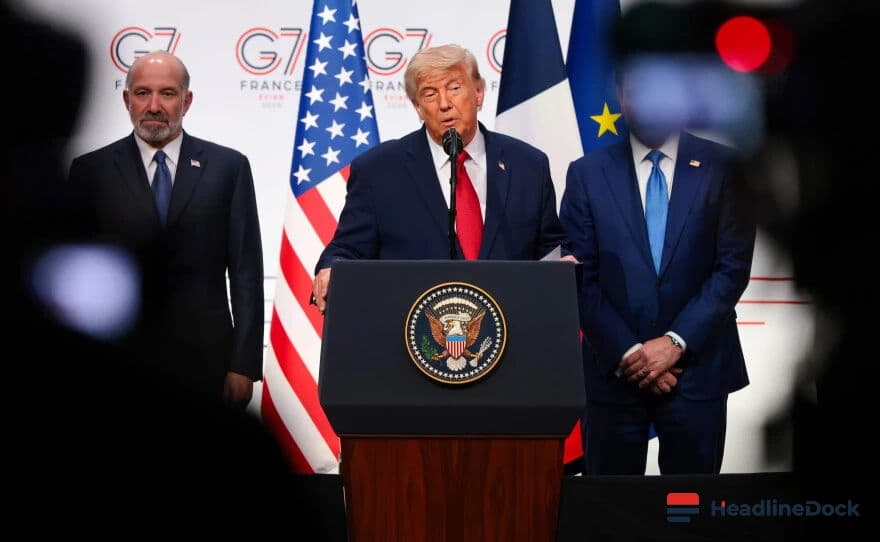
During the recent G7 summit, President Trump offered uncharacteristic praise for the current leadership in Tehran, labeling them rational. JD Vance echoed this sentiment, suggesting that Washington perceives the current Iranian leadership as more reasonable than previous iterations. As the diplomatic process continues, the balance of power within the Iranian system remains a focal point, with observers watching to see if the current move toward a new US-Iran deal will lead to a broader, more permanent transformation in regional relationships.