Why Teachers Are Facing Severe Burnout in Modern Classrooms
Educators across Spain are protesting against severe professional exhaustion. The crisis, highlighted by recent OECD data, is driven by the strain of managing diverse student needs, constant policy changes, and an overwhelming administrative workload, requiring urgent systemic reforms to improve teaching conditions.

Highlights
- •Teacher burnout is driven by diverse student needs, constant systemic changes, and excessive administrative workloads.
- •Data from the OECD shows that over 77% of secondary teachers in Spain manage classrooms with diverse behavioral or special education needs.
- •Administrative duties and grading are primary sources of stress for more than 60% of educators in several countries, including Spain.
- •Educators are calling for reduced class sizes, better specialized support, and a significant decrease in bureaucratic reporting requirements.
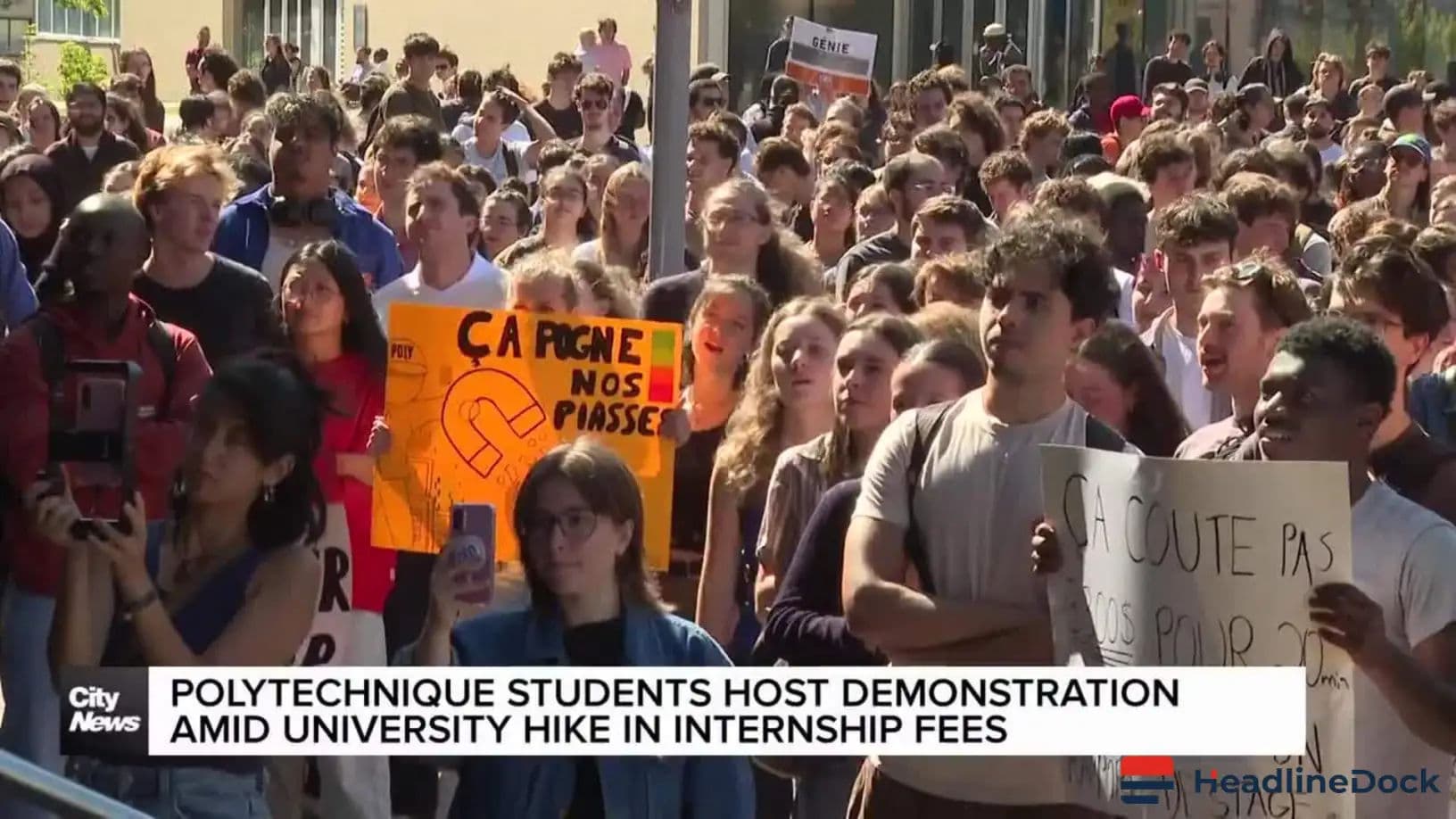
Teachers across Spain are facing a period of intense professional exhaustion, leading to widespread protests and growing calls for better working conditions. This teacher burnout crisis is fueled by a complex intersection of professional, emotional, and organizational challenges that have reached a critical tipping point in recent months. Educators are struggling under the weight of excessive bureaucracy, constant regulatory shifts, and the increasing demand to support highly diverse classrooms without adequate resources.
Understanding the Causes of Teacher Burnout
Recent data from the OECD highlights that this is not merely a local issue but a broader systemic problem impacting educators in 55 countries. The research identifies four primary drivers of stress: the high diversity of student learning needs, a pervasive sense of fatigue from constant systemic changes, an overwhelming administrative workload, and a lack of essential professional development. In Spain, the data is particularly revealing regarding the classroom environment.
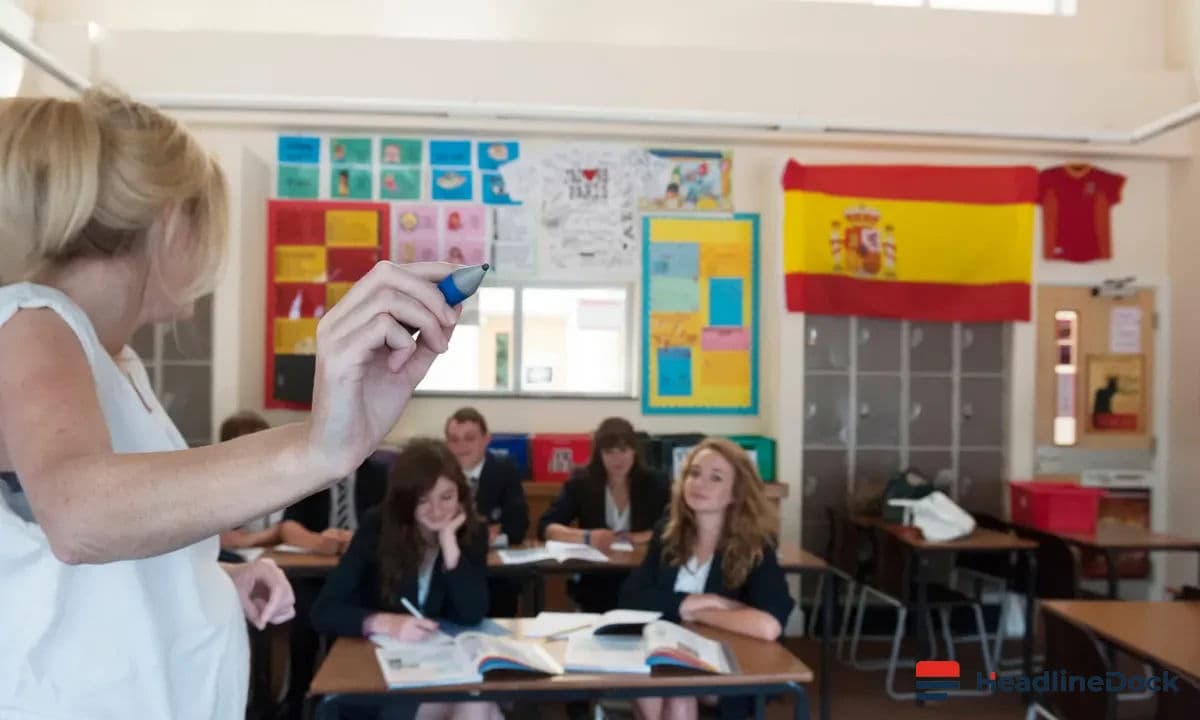
When it comes to the diversity of student needs, the reality for many teachers is daunting. In Spanish secondary schools, only a tiny fraction of the teaching staff reports having classrooms without diverse student needs. Approximately 67.5% of teachers manage students with academic difficulties, such as dyslexia, while 77.8% report dealing with behavioral, linguistic, or special education requirements. The effort to manage these heterogeneous environments significantly increases the emotional and organizational load on educators who often lack the specific training or time to address them effectively.
Administrative Burden and Systemic Change
Another significant factor driving teacher burnout is the phenomenon of "change fatigue." Educators are frequently required to implement new technological, curricular, or administrative initiatives without receiving sufficient support, training, or time. This is compounded by an excessive administrative workload, which remains the primary source of stress for many professionals. Spain ranks high in these reports, with 64.3% of teachers identifying administrative tasks as a major stressor and 53.5% reporting significant pressure from grading and examination duties.
Furthermore, there is a clear deficit in professional training, particularly regarding emerging areas such as the use of artificial intelligence, classroom behavior management, and providing socio-emotional support to students. The decline in perceived self-efficacy—the belief in one’s own ability to manage these complex scenarios—further exacerbates the stress levels among faculty members. Moving forward, the experts argue that improving the education system requires more than just increased demands on staff; it necessitates tangible improvements, such as lower student-teacher ratios, specialized support systems, and a drastic reduction in bureaucratic requirements. These core issues are currently at the heart of the ongoing mobilization efforts by educators in regions like Catalonia and the Valencian Community.