How Museum Visits Help Parents Support Curiosity and Build Family Bonds
Museum visits provide a unique platform for intergenerational learning, helping children develop cognitive and emotional skills. By engaging in open-ended conversations and shared exploration, families can replace digital screen time with meaningful, creative activities that foster long-term curiosity and deeper family connections.
Highlights
- •Museum visits provide excellent opportunities for intergenerational learning and strengthening family bonds.
- •Active engagement and open-ended questions help children develop critical thinking and communication skills.
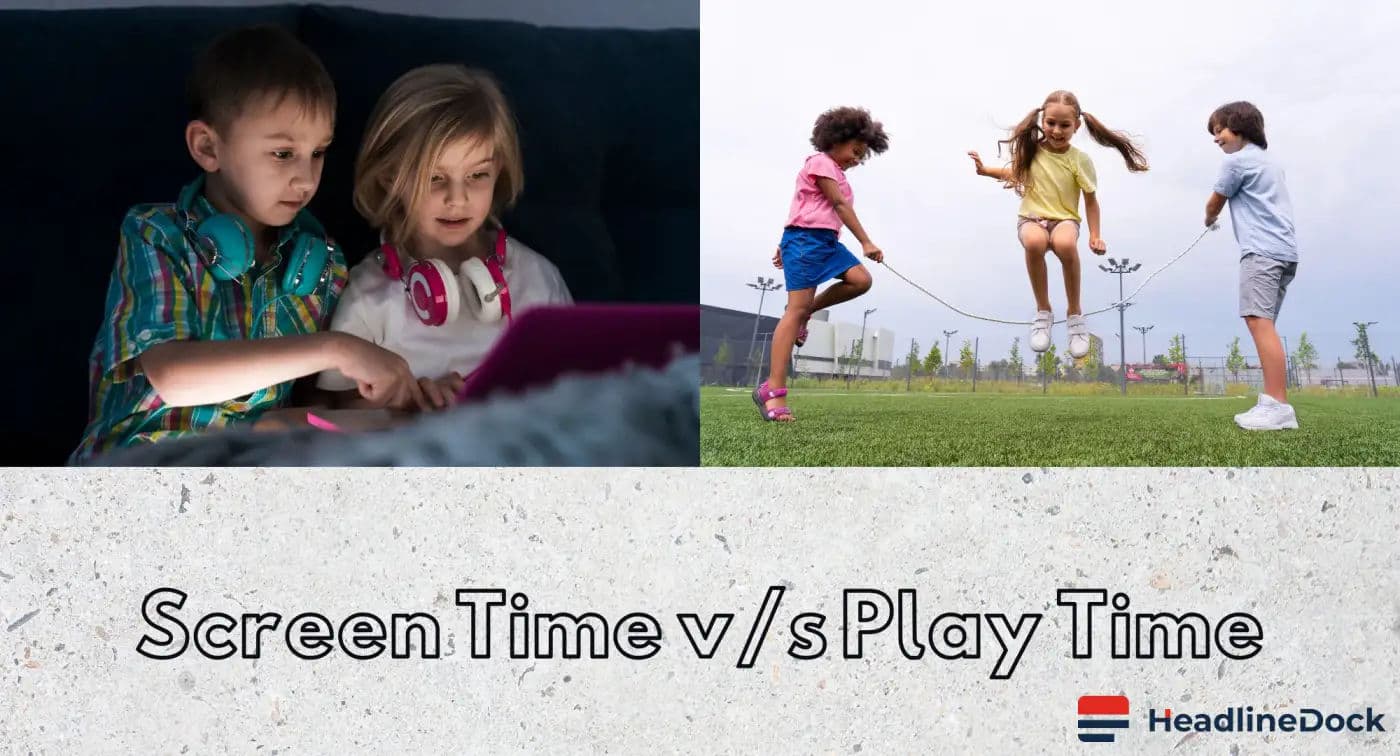
- •Museums offer a valuable alternative to digital distractions, fostering creativity and imagination in children.
- •Parents acting as facilitators can turn simple observations into meaningful discussions about emotions and context.
As the academic year concludes and families begin organizing their summer schedules, museum visits emerge as a rewarding way to spend quality time together. Exploring galleries and cultural institutions with young children is not only an enjoyable activity but also a powerful method to foster early childhood development and intergenerational learning.
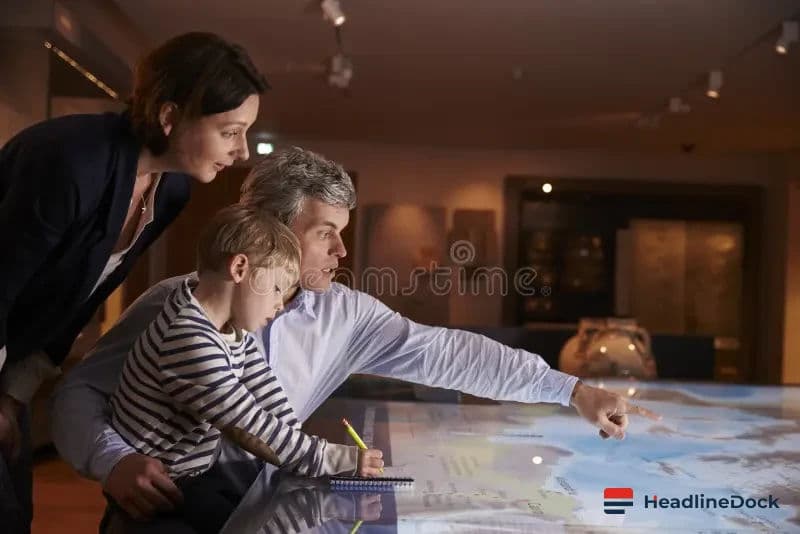
Experts in early education emphasize that museum visits provide unique environments where adults and children can discover new concepts side-by-side. These spaces facilitate meaningful dialogue, helping children translate visual observations into emotional understanding. By moving beyond a simple transfer of facts, these trips become opportunities for collaborative discovery and shared exploration.
Fostering Deep Connections Through Shared Discovery
Learning in a museum setting often unfolds through active engagement, particularly when parents act as guides rather than instructors. By asking open-ended questions—such as inquiries about an artwork's emotional resonance or the story behind a sculpture—adults encourage children to think critically and express their own interpretations. This practice mirrors the serve-and-return communication style, which is vital for building cognitive, linguistic, and social skills in young learners.
Consider a scenario where a child views a piece of art and interprets the subject's mood. When an adult listens attentively to this perspective, it reinforces the child's confidence in their own observational abilities. This kind of interaction helps children connect visual cues with broader life experiences, deepening their understanding of human emotions and social contexts.
Turning Museum Time Into Lasting Memories
Beyond fine arts, science centers and history museums offer dynamic spaces where children can experiment with interactive exhibits. Whether they are testing simple machines at a science facility or role-playing in a historical display, these moments provide a reprieve from the constant distraction of digital screens. Such environments naturally promote imagination, curiosity, and critical analysis.
To maximize the benefits of these outings, parents should prioritize the child’s interests. Following a child’s lead during a museum tour allows for more organic and passionate learning. When adults model curiosity, it sets a positive example, showing children that exploration is a lifelong, joyful endeavor. Ultimately, these shared experiences strengthen family bonds and create an enduring foundation for a child's future intellectual growth. By stepping away from the daily routine and engaging with art, history, or science, families can nurture a deeper appreciation for the world around them while building cherished memories that span across generations.