Fake Research Scandal: Indonesian Alumni Used AI to Fabricate Conference Data
A fake research scandal involving Indonesian alumni who used AI to fabricate data for an international conference has sparked concerns regarding academic integrity. Experts emphasize the need to distinguish between conference vetting and rigorous peer review while addressing ethical standards in the age of AI.
Highlights
- •Four alumni from Universitas Negeri Yogyakarta were identified for alleged data manipulation.
- •The scandal involved the use of AI tools to fabricate research for an international conference.
- •Experts distinguish between the loose vetting of conference abstracts and the strict peer review of journals.
- •The international academic community is now debating the need for stricter ethical guidelines regarding AI usage.
A recent fake research scandal involving independent researchers from Indonesia has ignited significant debate within the global academic community. These individuals allegedly manipulated research data using Artificial Intelligence (AI) tools to fraudulently secure travel grants for the ISPPD conference held in Copenhagen, Denmark.
The Universitas Negeri Yogyakarta (UNY) has officially confirmed that the four individuals involved in the alleged fake research scandal are indeed their alumni. However, the university has firmly stated that these actions were entirely personal and are in no way associated with the institution, as the individuals hold no current status as faculty, staff, or active students.
Addressing Vulnerabilities in Academic Conferences
The incident has prompted difficult questions regarding how an international conference could be exploited by researchers presenting fabricated data and identity details. Experts note that there is a distinct difference between the operational nature of international conferences and formal academic journals. While conferences serve as platforms for networking, information exchange, and discussion, they typically do not undergo the rigorous peer review process required for journal publication.
Academic vetting for such conferences often focuses on abbreviated abstracts, sometimes limited to approximately 500 words. Furthermore, organizers frequently prioritize geographic diversity, offering travel grants to participants from developing nations to meet diversity quotas or sponsorship requirements. This operational leniency is precisely where the fake research scandal found an opening to be exploited.
While the use of AI in academia is not inherently prohibited, the integration of such technology must be managed within ethical boundaries. Legitimate applications include language translation, text summarization, or grammatical enhancement. The critical failure in this case was the utilization of AI to generate and fabricate false data, which constitutes a severe violation of academic integrity.
Global Impact and Future Implications
Concerns have been raised regarding whether this incident might diminish the trust of the global academic community in researchers from Indonesia. Current assessments suggest that the impact is largely contained within the scope of conference abstracts rather than the high-stakes, peer-reviewed journal landscape. Nevertheless, academic observers emphasize the need to monitor the situation closely to prevent future occurrences.
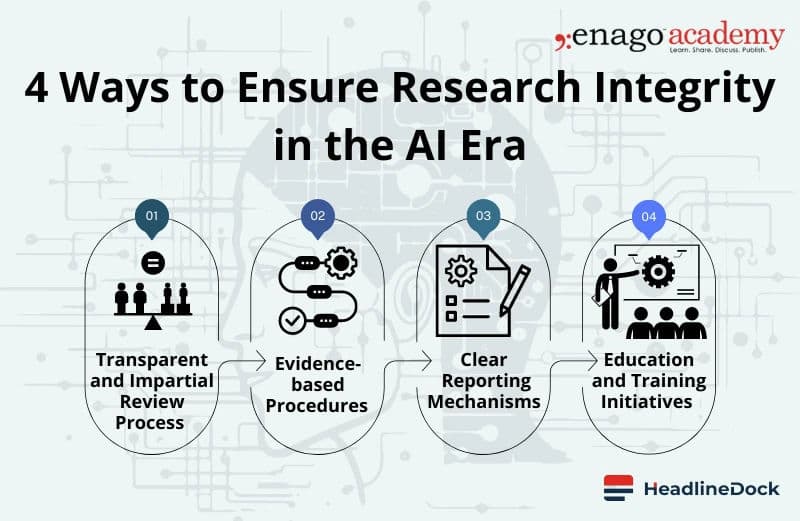
This event serves as a reminder that the integrity of scientific discourse is a collective responsibility. Whether governmental intervention is required to protect the reputation of the national research community remains a subject of ongoing discussion among scholars and policymakers. Moving forward, the focus remains on upholding rigorous ethical standards to ensure that technological advancements like AI are used to support, rather than undermine, the foundation of credible research.