4 Ways Kindergarten Lays the Foundation for Lifelong Learning Success
Kindergarten plays a pivotal role in early childhood development by leveraging tactile experiences, music, and structured play. These foundational practices foster essential literacy, mathematical, and fine motor skills, preparing children for long-term academic success in the primary school years.
Highlights
- •Kindergarten acts as a critical developmental stage that prepares children for lifelong learning success.
- •Fine motor skills and tactile play are essential for developing early vocabulary and cognitive functions.
- •Music, rhythmics, and structured play are high-impact methods used to teach pattern recognition and counting.
- •Effective classroom environments prioritize physical exploration over digital simulations to support early literacy foundations.
As the annual registration season approaches, parents are preparing to enroll their children in kindergarten. This transition marks a significant milestone in early childhood development, laying the essential groundwork for a child's future academic and social journey. While early childhood education is widely prioritized throughout Canada and publicly funded across all provinces and territories, participation for five-year-olds remains voluntary rather than mandatory.
Understanding the Development of Five-Year-Olds
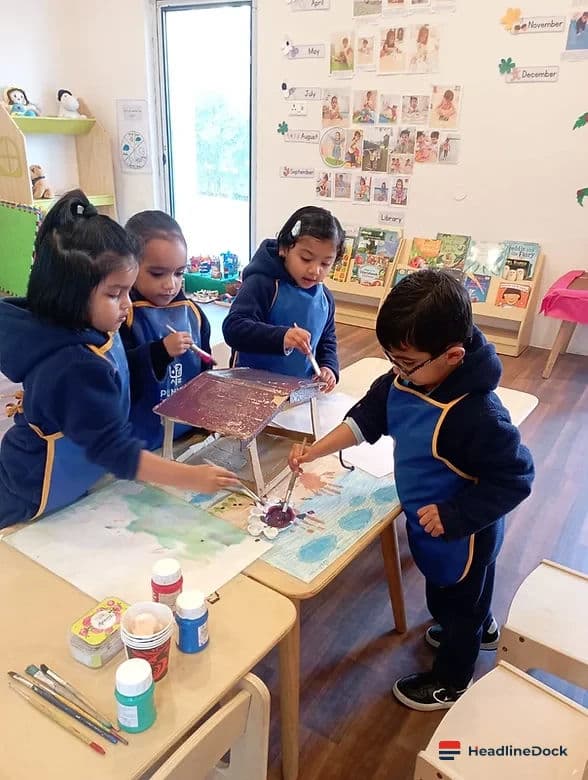
Children at the age of five are primarily sensory learners who navigate the world through direct tactile exploration. This learning process is deeply rooted in constant interaction, verbal exchange with adults and peers, and the comfort of repetition. According to neurobiologist Frank Wilson, the use of hands acts as a crucial conduit for cognitive development, fostering what researchers define as embodied cognition. Studies suggest that developing fine motor control and nimble fingers is directly linked to enhanced vocabulary acquisition in young learners.
A typical five-year-old generally possesses an oral vocabulary repertoire of approximately 5,000 words. However, researchers have identified significant disparities in language development among children influenced by socio-economic factors. Additionally, those who speak a different language at home than the one used for school instruction often require targeted support during their kindergarten experience. Experts also emphasize a cautious approach toward the use of digital devices, noting that while technology is ubiquitous in today's generation, its integration into the lives of young children should be carefully managed.
Foundational Instructional Practices
Quality kindergarten programs are characterized by well-organized learning environments designed to facilitate movement, foster engagement, and provide access to diverse educational resources. Classrooms are typically structured with dedicated centers and communal areas like "carpet time" to help children establish daily routines. Educators utilize these spaces to implement high-impact practices that support early literacy and mathematical concepts.
Key instructional strategies include the use of rhythmics, music, and movement, which assist children in recognizing patterns and understanding fundamental counting principles. Furthermore, interactive read-alouds and the use of blocks and puzzles serve as essential tools for scaffolded play, encouraging complex thought and language development. These activities provide a creative, hands-on framework for building foundational literacy skills, such as mastering the tripod grip for writing.
Ultimately, kindergarten serves as a vital bridge in a child’s life, helping them construct a meaningful understanding of the world. By focusing on real-world experiences rather than over-reliance on digital simulations, high-quality programs effectively prepare students for the academic requirements of their upcoming years in Grade 1 through Grade 12. Parents, serving as a child's first teachers, play an integral role in selecting an environment that best supports their child's unique growth.