Polytechnique Graduates Protest Corporate Influence in Engineering Education
Recent graduates at École polytechnique disrupted their graduation ceremony to protest the influence of major corporations on their education. This act highlights a shift toward greater environmental and political consciousness among elite engineering students, challenging traditional academic and professional norms in France.
Highlights
- •Graduates at École polytechnique protested corporate influence during their 2026 commencement ceremony.
- •Protesters criticized industry giants like TotalEnergies and LVMH for their environmental and social impact.
- •School administration condemned the disruption, citing the misuse of a formal graduation ritual for political messaging.
- •The incident reflects a broader trend of students in elite schools demanding curriculum changes and ecological accountability.
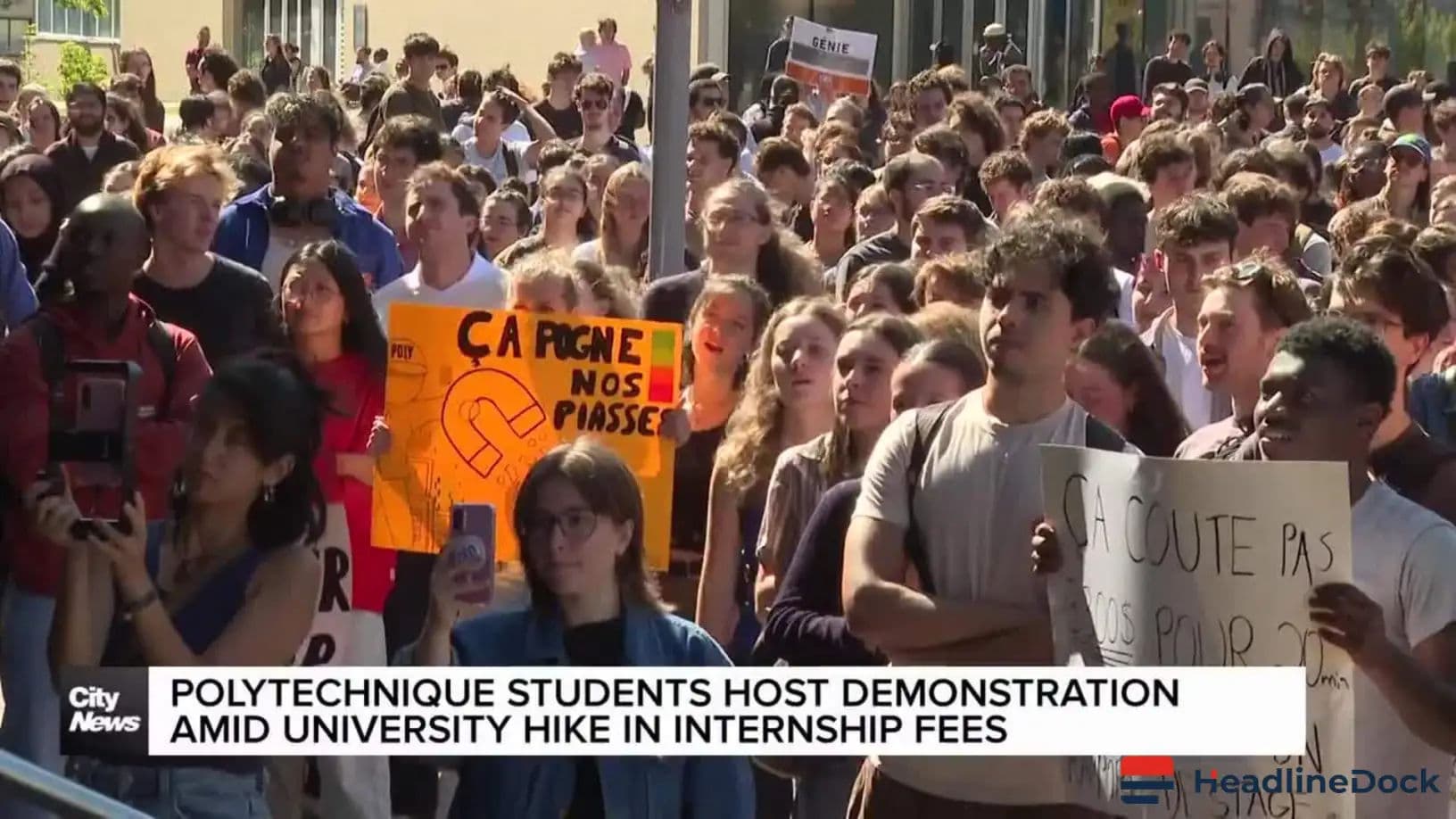
A group of recent graduates at the prestigious École polytechnique caused a significant stir during their graduation ceremony on Friday, June 12, 2026. The students used the event as a platform to vocalize their strong opposition to the influence of major corporations on their academic curriculum and the environmental impact associated with various industries. This act of protest, which gained widespread attention, reflects an evolving landscape of student activism within France's most prominent higher education institutions.
Protesting Corporate Influence in Engineering Education
During the event, several demonstrators wore masks portraying Patrick Pouyanné, the CEO of TotalEnergies, and Bernard Arnault, the head of LVMH. The protesters criticized what they labeled as economic and industrial interests that contribute to environmental, military, and social crises. A chant directed at Patrick Pouyanné regarding temperature increases quickly circulated on social media platforms, garnering over 100,000 views within hours.
Laura Chaubard, the director-general of École polytechnique, was quick to condemn the disruption. She stated that the group represented only themselves and suggested that they had misused the graduation ceremony for political purposes. However, the event was not an isolated incident. Since 2020, students have consistently raised concerns through various means, including opposition to a research center project by Total and LVMH on or near their campus, as well as signing the "Student Manifesto for an Ecological Awakening."
Similar critiques have surfaced at other elite institutions, including Mines de Paris and Sciences Po. Students at these schools have repeatedly questioned the role of major banks and corporations in shaping their future careers and academic programs. Critics of the protesters, however, have questioned their methods, labeling them as hypocritical for accepting their degrees from the very institution they critique, while suggesting that these students may eventually pursue careers in the same industrial sectors they currently denounce.
Shifting Identities Among Future Engineers
The incident highlights a growing tension between traditional engineering values and a burgeoning environmental and political awareness. The standard definition of an engineer as a figure focused solely on technical control and objective solution-finding is being challenged. A new identity is emerging among graduates—one that is more reflexive, politically engaged, and deeply concerned with ecological impacts. This transformation of student engagement, characterized by creative protest techniques like wearing masks or performing political "hacking" of formal events, indicates that technical education is increasingly becoming a field of intense social and political debate. The recent event at École polytechnique serves as a clear indicator that the next generation of professionals is actively questioning their professional future and the role of the industrial sectors that seek to employ them.