Expert Tips to Boost Early Literacy Learning Before Kindergarten Starts
As the school year approaches, parents can support their child's kindergarten readiness through simple daily habits. Engaging in rhyming games, shared reading, and exploring word structures helps build a strong foundation for future literacy, fostering both academic success and family connection.

Highlights
- •Parents play a crucial role in supporting early literacy through simple, everyday interactions.
- •Phonological awareness is built through songs, rhymes, and clapping out syllables in speech.
- •Shared daily reading and pointing out environmental print significantly improve vocabulary and print awareness.
- •Developing fine motor skills through play helps prepare children for the demands of writing and literacy.
The transition to kindergarten marks a significant milestone in a child's early development. As the summer months unfold, many caregivers feel anxious about whether their child possesses the necessary early literacy learning foundation. However, it is important to remember that parents serve as their child’s primary teachers, and even simple, everyday interactions can substantially foster growth in language and essential literacy skills.
Experts consistently find that engaging in consistent, home-based literacy activities correlates strongly with improved reading performance later in life. By incorporating specific strategies into your daily routine, you can help prepare your child for the classroom. This is not about formal lessons; rather, it involves talking with your child, describing daily tasks, asking open-ended questions, and following their interests.
Effective Ways to Promote Early Literacy Learning
One of the most effective methods to build a foundation for reading is through phonological awareness. When parents sing simple songs, chant rhymes, or play games that involve clapping out syllables in names, children learn that spoken language is composed of smaller sounds. Engaging in activities like listening to melodic songs or identifying rhyming words allows children to manipulate speech sounds, which is a crucial step in learning to decode written language.
Shared reading is another vital practice. Cuddling together to read books not only strengthens emotional bonds but has been shown to positively influence brain development. Children who are read to regularly often develop larger vocabularies and a deeper understanding of complex language structures. Whether utilizing a local library or finding affordable books at thrift shops, making reading a daily habit provides immense benefits.
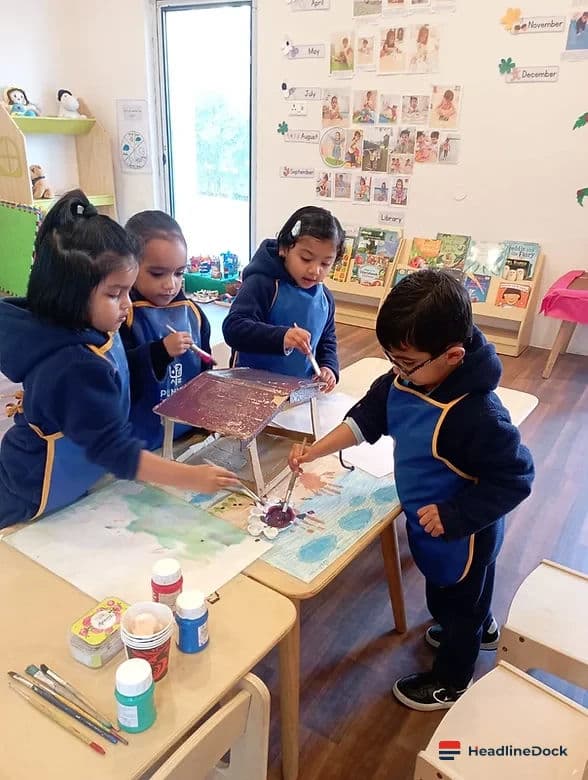
Fostering print awareness is equally important. Parents can point out letters, signs, and labels throughout their environment to show children that text carries meaning. Discussing the difference between a menu, a cereal box, and a storybook helps children understand how various texts function. Additionally, simple activities such as playing with playdough, threading beads, or drawing in the sand can enhance fine motor skills, which are necessary for later handwriting development.
Finally, families can act as word scientists by exploring how words are constructed. Discussing prefixes and suffixes or maintaining a “word collector” notebook helps children become excited about vocabulary. By stopping to discuss interesting words during a story or a movie, you teach children to appreciate language. Ultimately, these summer interactions build both the essential skills for future academic success and a lasting, meaningful family connection that will support your child as they head into their first year of kindergarten.