Why Officials Frequently Avoid Policy Criticism and Attack Their Detractors
A study of recent political responses highlights a trend of 'blame avoidance' among officials, where criticism of government policies is met with delegitimization rather than substantive dialogue. This pattern threatens to stifle open debate and weaken the essential culture of public accountability in governance.
Highlights
- •Government officials frequently prioritize blame avoidance over substantive policy evaluation when facing public criticism.
- •Attacking the credibility of critics, as seen in the response to Dino Patti Djalal, undermines transparent political discourse.
- •Such defensive tactics can create a 'chilling effect,' discouraging citizens from expressing legitimate concerns about government programs.
- •A shift toward prioritizing public accountability over vertical loyalty is essential for improving government policy and democratic health.
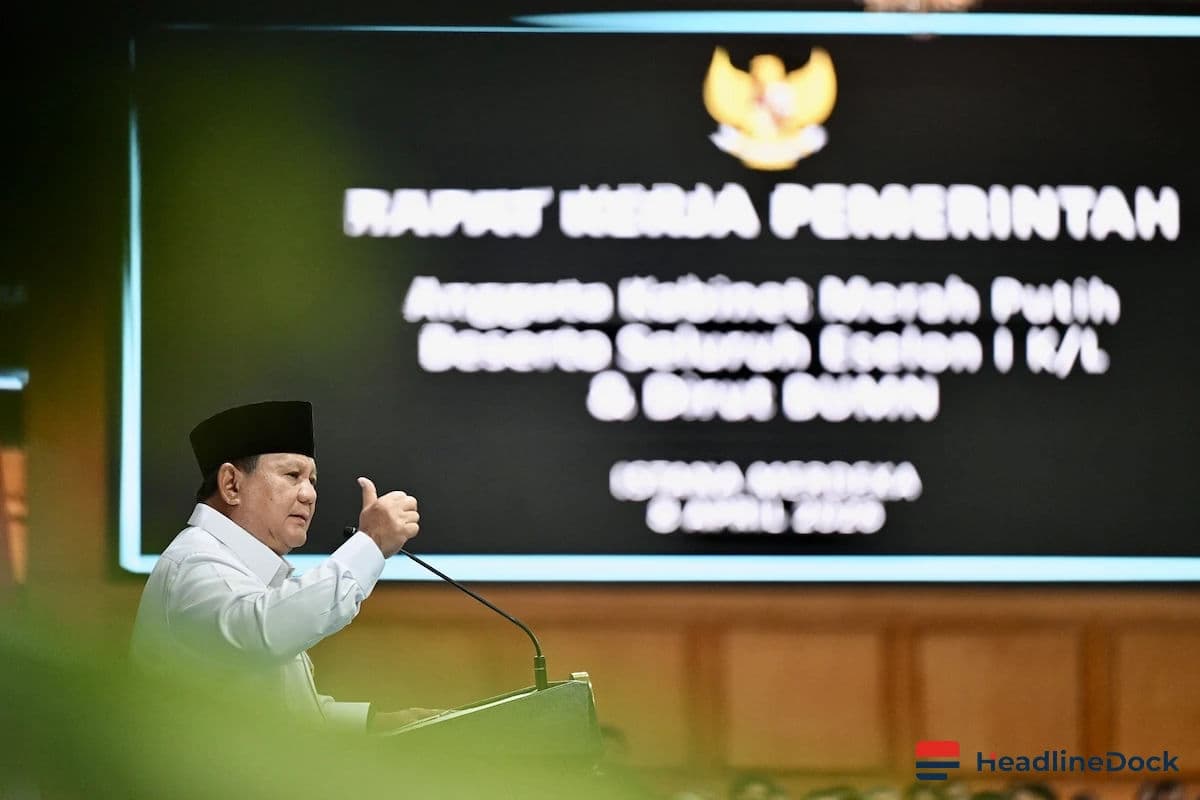
The recent discourse surrounding government accountability has shifted toward how public officials handle criticism directed at their policies. A notable instance occurred on April 10, 2026, when Cabinet Secretary Teddy Indra Wijaya responded to remarks made by senior diplomat Dino Patti Djalal. The critique centered on the frequency of international travel by President Prabowo Subianto. Rather than addressing the specific policy concerns raised, the government's response involved highlighting the tenure of Dino Patti Djalal, which critics interpreted as an attempt to discredit the individual rather than debate the substance of the issue.
Understanding Political Blame Avoidance and Chilling Effects
In the realm of public policy, experts often cite the concept of blame avoidance to describe strategies used by bureaucrats to deflect responsibility. Instead of providing data-driven justifications for their actions, officials may reframe narratives or attack the credibility of those questioning their decisions. This phenomenon is frequently observed in Indonesia, where policy critique is sometimes perceived as a personal attack against leadership. By shifting the focus to the background or capacity of the critic, officials manage to suppress public pressure without undergoing rigorous policy evaluation.
This defensive communication style has broader implications, contributing to what is known as a chilling effect. When individuals see critics being targeted or delegitimized, they may become hesitant to voice their own concerns, fearing negative repercussions. This climate of silence is detrimental to democratic health, as it discourages open dialogue. For instance, when Minister of Agriculture Amran Sulaiman addressed criticism regarding the "Makan Bergizi Gratis" (MBG) program, he opted to target the personal status of the critics, suggesting they had never experienced poverty. This approach serves to deflect from substantial debates regarding program implementation and potential risks.
Cultivating a Culture of Accountability
The recurrence of such reactive tactics suggests a deeper issue within bureaucratic structures. Often, these systems prioritize vertical loyalty to superiors over horizontal accountability to the public. In this environment, any critique is perceived as a threat that must be neutralized, rather than an opportunity for policy learning. When defending leadership becomes a primary metric of success, the incentive to admit flaws or suggest improvements diminishes significantly.
Effective governance requires a shift in how officials engage with public feedback. Transparent communication, backed by concrete evidence and a willingness to evaluate the impacts and risks of state policies, is essential for a functional democracy. If public officials treat criticism as a vital component of accountability rather than a nuisance, the result could be improved policymaking. Ultimately, the way authorities respond to scrutiny defines the boundary between a system of genuine public service and one focused solely on protecting existing structures.