Donald Trump’s Approval Rating Hits Historic Low: Will History Repeat Itself?
Donald Trump’s presidential approval rating has dropped to 35%, reflecting deep economic concerns. Historical data shows a clear link between consumer confidence and electoral performance, suggesting significant challenges for the Republican party in upcoming cycles if economic conditions do not stabilize.
Highlights
- •Donald Trump's current presidential approval rating has dipped to a historic low of 35%.
- •There is a strong historical correlation between consumer confidence and presidential approval ratings.
- •Past presidents, including Carter and George HW Bush, faced electoral defeat linked to economic downturns.
- •Polls suggest the Democratic Party is currently favored to win control of the House in upcoming midterms.
The current presidential approval rating for Donald Trump has hit a historic low, reaching 35% according to recent polling. This downward trend suggests significant political headwinds, as history indicates that public sentiment regarding a president's performance is deeply tethered to economic conditions. With a presidential approval rating this low, questions regarding the impact on future electoral success are gaining traction.
Economic Performance and Voter Sentiment
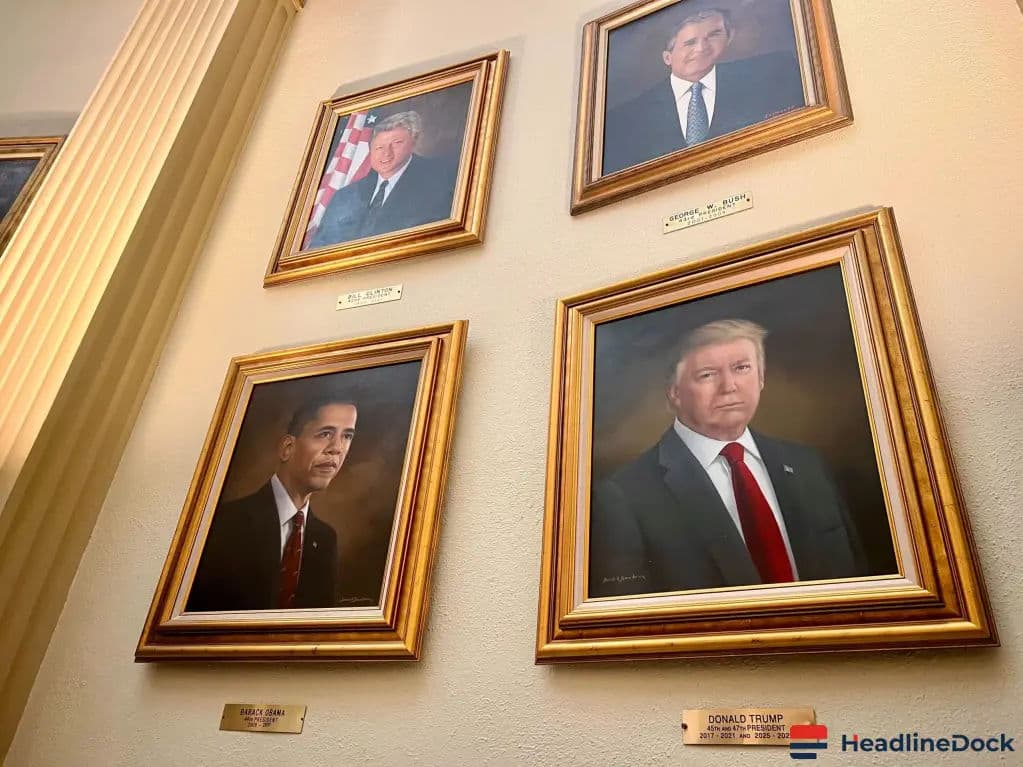
There is a documented, moderately strong correlation of 0.44 between consumer confidence levels and presidential approval ratings spanning nearly five decades of data. When citizens feel confident about the economy, they are more inclined to support the incumbent administration. Conversely, when financial optimism wanes, approval numbers typically decline. During the late 1970s, Jimmy Carter faced similar challenges, characterized by low approval and dwindling confidence, ultimately contributing to his defeat in the 1980 election against Ronald Reagan.
The economic landscape proved equally detrimental for George HW Bush between 1989 and 1993. Following a formal declaration of recession in 1990, unemployment figures rose and growth stalled. Monetary policy decisions, specifically interest rate hikes by the Federal Reserve aimed at curbing inflation, further cooled the financial environment. This period solidified the influence of the economy on voting behavior, helping Bill Clinton secure victory in 1992 with a campaign centered on economic recovery.
More recently, the financial crisis of 2007-2008 triggered a major recession, resulting in the lowest recorded consumer confidence scores in the modern era. This collapse in confidence severely impacted the administration of George W. Bush, facilitating the rise of Barack Obama. By comparison, when Donald Trump entered office in 2017, the consumer confidence index stood at 99. By the time of the 2021 transition to Joe Biden, that figure had fallen to 79.
Historical Precedents and Future Implications
As the nation looks toward the upcoming midterm elections in November 2026, current polling suggests a difficult path for the Republican Party. Analysts and pollsters widely anticipate the Democrats will regain control of the House of Representatives, with a possibility, though smaller, of them securing the Senate as well.
While the current data serves as a useful analytical tool, it is distinct from making direct predictions for the 2028 presidential race. Nonetheless, with ongoing geopolitical tensions involving the United States and Israel raising concerns about a potential global recession, maintaining strong consumer confidence appears challenging. Although Donald Trump will not be a candidate in 2028, the party’s historical trends suggest that economic stagnation could lead to significant electoral losses for the Republican nominee.